-CrYNDrPl.png)
Speech Development Assessment
Speech Development Assessment & Communication Support in India
Child development, communication support, and structured developmental guidance at Manovaidya.
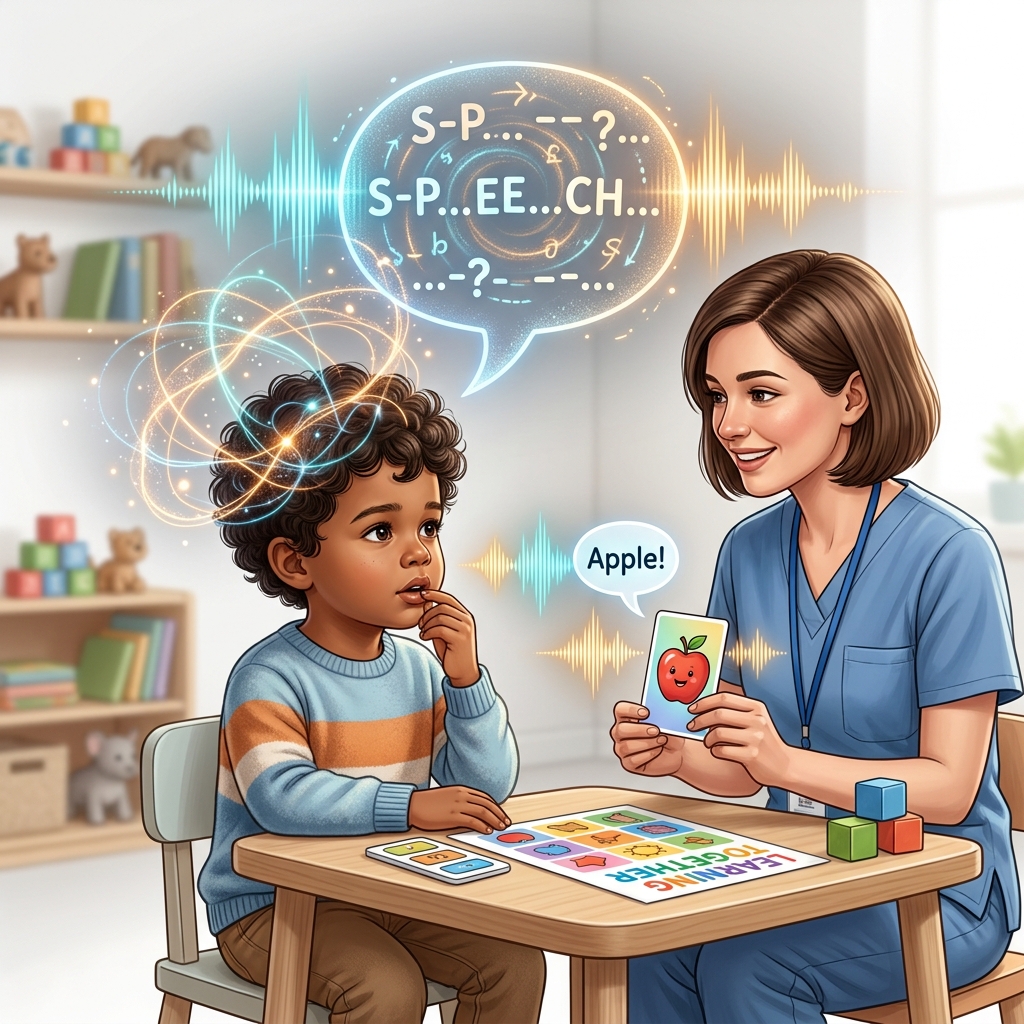
Speech Development Assessment & Communication Support in India
Key Takeaways
- Understanding Speech Delay in Children
- Common Signs of Speech & Communication Challenges
- Speech Delay vs Language Delay
- Understanding Communication Beyond Spoken Words
- Causes of Speech Delay in Children
- Speech Delay and Autism Differences
- Speech & Communication Development Assessment
- Supporting Communication Growth at Home
- Activities That Encourage Speech Development
- Screen Time and Language Development
- Neuro-Ayurveda Development System
- Parent Guidance & Family Support
- Manovaidya Assessment & Support Process
- FAQs About Speech & Communication Development
Communication Support
Structured speech development assessment, family guidance and Neuro-Ayurveda Development System support at Manovaidya.
Schedule ConsultationSpeech Delay & Communication treatment in India
Speech Development Assessment, Communication Guidance & Child Development Support
Many parents start to become concerned when their child is not talking as they think they should, says few words, doesn't communicate as well as they think they can or has trouble speaking to others.
All children learn at their own speed. When communication milestones are very late, or a child has ongoing problems comprehending, expressing, or using language, however, parents begin looking for clues, guidance and support.
Speech Delay and Communication Challenges are viewed in the context of the child's development at Manovaidya. Attention, learning, behaviour, social interaction, sensory processing and overall child development are closely linked to communication development.
Under the guidance of Dr. Ankush Garg, Autism, ADHD, Child Development & Mental Health Specialist in India, Manovaidya is following a structured Neuro-Ayurveda Development System which helps the families to understand the developmental needs and formulate a clear communication growth plan & overall development plan.
Our interventions aim to assist in Child Development, communication development, learning readiness and social interaction development based on a structured developmental framework, whether parents are looking for Speech Delay Support in India, Communication Development Support, Child Development Guidance or developmental assessment.
What is Speech Delay?
Speech Delay is defined as when a child's speech and language comes in later than expected for his or her age.
Some children might be able to listen and comprehend, but have difficulty expressing themselves through language. Some might experience problems understanding and speaking.
Speech delay may manifest in various ways for each child.
Parents may notice:
Limited vocabulary for age
Delayed first words
Difficulty combining words into sentences
Reduced response during conversations
Challenges expressing needs and emotions
Difficulty following verbal instructions
Limited social communication
Developing communication is not just about words. It also covers comprehension, expression, social communication and interaction with others.
Communication concerns are not considered a separate issue at Manovaidya but are included within the child's developmental profile.
Common Signs of Speech & Communication Challenges
Speech development challenges
- Delayed word acquisition
- Limited expressive vocabulary
- Challenges in sentence formation
- Difficulty in understanding speech
- Challenges with pronunciation
Major challenges involved in understanding spoken language
- Difficulty following instructions
- Limited verbal responses
- Difficulty processing spoken instructions
- Trouble understanding questions
Social interaction difficulties
- Less eye contact while talking
- Challenges in initiating conversations
- Difficulty interacting with others
- Trouble sharing feelings
Communication confidence issues
- Communication struggles
- Avoiding discussions
- Difficulty engaging with others in a group
- Lack of confidence while communicating
While each child grows at his or her own pace, some common indicators are:
Speech Development Concerns
- Delayed first words
- Limited vocabulary
- Difficulty forming sentences
- Unclear speech
- Difficulty pronouncing words
Language Understanding Challenges
Difficulty understanding instructions
Reduced response during conversations
Challenges following verbal directions
Difficulty understanding questions
Social Communication Challenges
Limited eye contact during communication
Difficulty initiating conversations
Reduced interaction with peers
Difficulty expressing needs and emotions
Communication Confidence Concerns
Frustration while trying to communicate
Avoiding conversations
Difficulty participating in group interactions
Reduced confidence during communication
If communication difficulties continue it may be helpful for families to gain a better understanding of their child's strengths, challenges and support through a structured developmental assessment.
Understanding Communication Beyond Speech
Beyond spoken words
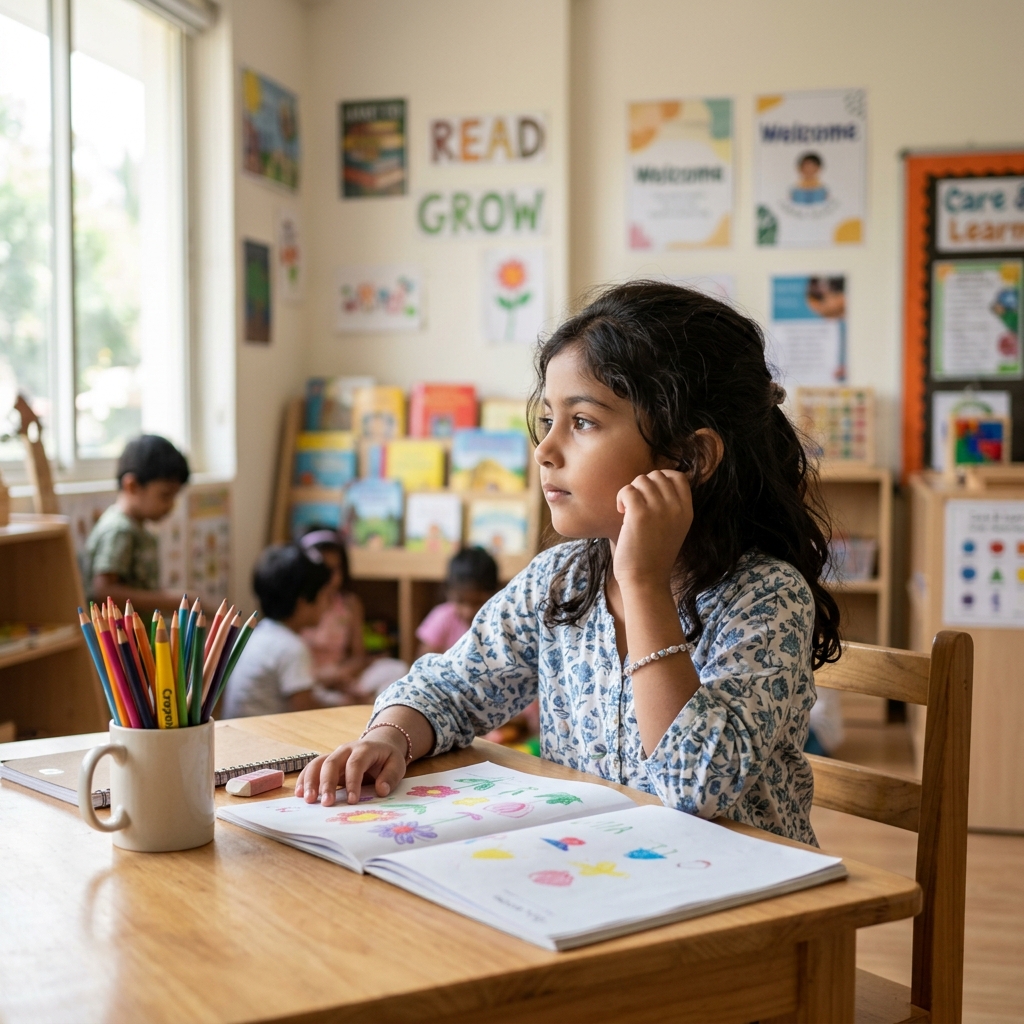
The one thing many people don't understand is that communication isn't always talking.
Communication is actually much wider in reality.
Communication involves:
- Understanding language
- Expressing thoughts
- Sharing emotions
- Responding to others
- Participating in conversations
- Social interaction
- Non-verbal communication
There are some children who say words, but have trouble communicating meaningfully.
Still others may know a lot but can't communicate.
This is why there is a need to consider communication development in a wider developmental perspective than just the number of words a child speaks.
Speech & Communication Assessment at Manovaidya
Growth History
- Developmental milestones
- Communication skills
- Behavioural characteristics
- Learning
- Parent feedback
Communication Evaluation
- Speaking skills
- Understanding information
- Conversation skills
- Understanding words
- Comfortable in expressing yourself
Understanding growth
- Focus patterns
- Behaviour traits
- Learning potential
- Social skills
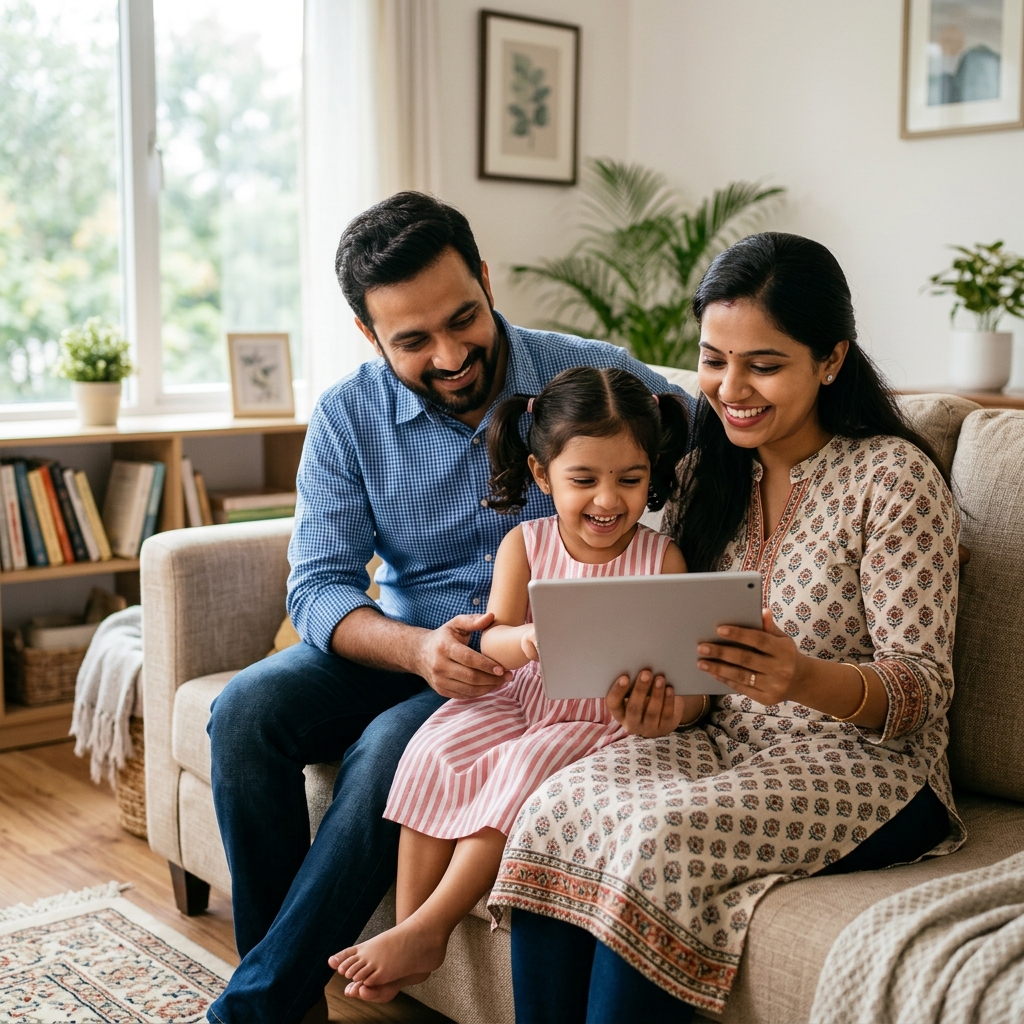
Each child communicates in their own way.
At Manovaidya, assessment is not limited to speech alone but takes into account the child as a whole.
The assessment process could involve:
Developmental History
- Early milestones
- Communication development
- Behaviour patterns
- Learning profile
- Parent observations
- Expressive communication
- Receptive communication
- Social communication
- Language understanding
- Communication confidence
Developmental Understanding
- Attention profile
- Behaviour patterns
- Learning readiness
- Sensory responses
- Social interaction abilities
The aim is to increase the awareness of the family to their child's communication needs and strengths.
Speech Delay Support in India: Looking Beyond Words
Development progress
Concentration skills
Learning behaviours
Social participation
Sensory responses
Managing emotions
Expressing yourself comfortably
The primary aim of many parents looking for Speech Delay Support in India is to get their child to speak more words.
Communication development is important, but it can be much more than speech development.
Communication may be influenced by:
- Developmental readiness
- Attention abilities
- Learning patterns
- Social interaction
- Sensory processing
- Emotional regulation
- Communication confidence
At Manovaidya, our attention is not limited to speech output, but is directed toward understanding these developmental factors that are interconnected.
This development perspective supports families to establish a more relevant development plan for communication progress and engagement.
The Neuro-Ayurveda Development System
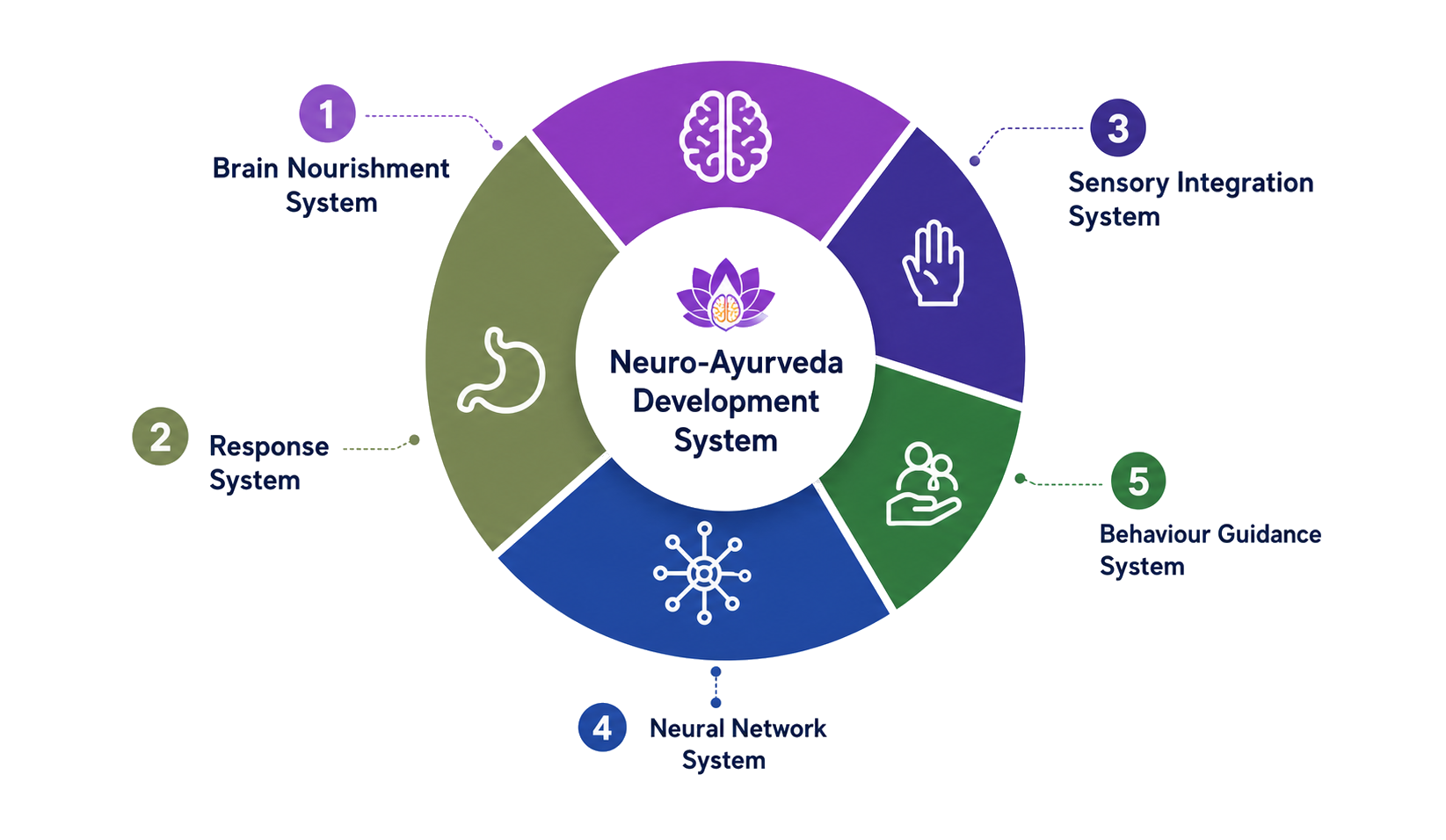
Brain Nourishment System
Strengthens understanding of the relationship between communication, learning, and cognitive development
Gut Response System
Addresses overall health, wellbeing, and development.
Neural Network System
Enhances understanding of communication skills, learning processes, and developmental milestones.
Sensory Integration System
Encourages understanding of sensory experiences that may affect involvement and communication
Behaviour Guidance System
Guides families in exploring communication behaviours and interaction patterns.
The understanding of communication development at Manovaidya is through the Neuro-Ayurveda Development System of Dr. Ankush Garg.
The framework is built around five mutually reinforcing elements:
Brain Nourishment System
Enables understanding of the factors that affect communication, learning and cognitive development.
Gut Response System
Attends to general health and development.
Neural Network System
Supports the understanding of communication, learning and developmental readiness.
Sensory Integration System
Understands how senses can impact communication and participation.
Behaviour Guidance System
Supports families to learn about communication related behaviours and patterns of interactions
These pillars are focused on communication, and together they offer a structured development view to growth in communication and child development.
How We Support Children with Speech & Communication Challenges
- Speech and language development
- Verbal understanding
- Conversational skills
- Parental guidance and consultation
- Development Roadmap
- Behaviour assessment
- Progress tracking
- Long-term parental care and family support
Support at Manovaidya begins with understanding the child rather than focusing only on a diagnosis or symptom.
Our approach focuses on:
- Communication Development
- Language Understanding
- Social Communication Skills
- Developmental Planning
- Behaviour Understanding
- Progress Monitoring
- Long-Term Family Support
All children are guided on an individual basis, in consideration of developmental needs and communication profile.
How We Work at Manovaidya
Each child is an individual and support at Manovaidya starts with knowing the child as a whole person and not only the child's communication issue.
We begin our process with a detailed assessment to gain an understanding of developmental history, communication skills, behaviour patterns, learning needs, sensory responses and family concerns.
With this knowledge, families are guided in personalized ways and provided with a developmental plan specifically suited to their child's individual needs.
Manovaidya does not take a "one size fits all" approach, instead using the Neuro-Ayurveda Development System to guide families to understand more about what factors might impact communication, behaviour, learning, attention and family development.
Support focuses on assessment, parent guidance, developmental planning, progress tracking and long-term family support.
Parent Guidance & Family Support
Development of communication is not just the child's journey, it's the family's journey too.
Many parents experience:
- Confusion
- Frustration
- Worry about things that have yet to happen
- Comparison with other children
- Language delays or challenges
Parent guidance is seen as a vital component of support for the development of communication at Manovaidya.
Families are provided information about:
- Communication encouragement strategies
- Developmental understanding
- Daily communication opportunities
- The behavior and interaction styles of people.
- Long-term developmental planning
Why Families Choose Manovaidya
Holistic Neuro-Ayurveda Growth Development system
Personalized Growth Assessment
Child-Led and Family-Supported Approach
Focus on Communication and Developmental Growth
Long-Term Developmental Progress
Customized Development Plan
Understanding and coordinated help
Structured Neuro-Ayurveda Development System
Personalized Developmental Assessment
Child-Centred & Family-Centred Approach
Communication & Child Development Focus
Long-Term Guidance & Progress Tracking
Individualized Development Planning
Compassionate and Structured Support
The families of Delhi, Noida, Greater Noida, Ghaziabad, Noida, NCR and all over India communicate with Manovaidya for Speech Delay Support, Communication Development Guidance and Child Development Support.
About Dr. Ankush Garg

Authorised & Clinically Reviewed
Dr Ankush Garg
Founder, Manovaidya | Creator of the Neuro-Ayurveda Development System
Autism, ADHD, Child Development & Mental Health Specialist in India
Dr. Ankush Garg is the Founder of Manovaidya and Creator of the Neuro-Ayurveda Development System.
His work focuses on Autism Spectrum Disorder (ASD), ADHD, Speech & Communication Challenges, Child Development, Behavioural Concerns, Teen Mental Health, Adult Mental Health, Women's Emotional Wellbeing and Senior Mental Health Support.
Through detailed assessment, individualized guidance and family-centred support, he helps families better understand developmental concerns and move forward with greater clarity, confidence and direction.
Book a Consultation
Schedule a Consultation
Contact us now
If you are looking for Speech Delay Support in India, Communication Development Guidance, Child Development Assessment or personalized developmental support, you can schedule a consultation with Dr. Ankush Garg and the Manovaidya team.
Through a structured assessment and personalized guidance process, families can gain a clearer understanding of their child's communication needs and explore appropriate next steps for long-term growth and development.
Frequently Asked Questions About Speech Delays
1. What is speech delay in children?
Speech Delay in Kids is when a kid learns to speak and understand words at a later stage than he or she should. Some children may find it hard to talk words, to put words together to form a sentence or to make their needs understood. Progress varies between children but if some children are behind in their communication skills, there may be a need for deeper understanding of their development. Speech is not just words, it's also knowing what words mean, saying what you mean, and being able to communicate with others. At Manovaidya, speech delay is understood using a wider developmental perspective, taking into account communication, learning, behaviour, attention and overall child development.
2. At what age should a child start talking?
The first meaningful words are used by children around the end of their 1st year of life; this varies but is considered to be the end of the 1st year of life. Children's vocabulary and communication skills continue to develop throughout toddlerhood and early childhood. For some children, language will emerge earlier or later than others. The focus of parents should be on communication development in general, not in comparison with other children. If you are concerned about your child's speech, language understanding or communication skills, you can have a structured developmental assessment to help you understand your child's communication profile and support needs.
3. What are the early signs of speech delay?
Speech delay can start to manifest as babbling is limited, the first words are delayed, it takes longer to put words together in simple phrases, they don't respond as well when you talk to them and struggle to say what they want. Some children may also struggle with understanding oral directions or engaging in developmentally appropriate communication. Individual children will progress at different rates and sometimes lag behind; this does not necessarily signify that there is a serious concern. If communication milestones are continually missed over time, however, a developmental assessment may be beneficial for the family to gain insight into communication strengths and challenges and into future communication support needs.
4. How can I tell if my child has a speech delay?
Signs that parents might notice include: limited vocabulary, speech milestones are delayed, has difficulty stating needs, does not participate in conversation, or has trouble understanding and using language. Children may have a good grasp of language but may have difficulties in expressing their views, or they may have difficulties understanding and expressing their ideas. A structured developmental assessment of communication, language understanding, social interaction and overall development is the best way to obtain clarity. Families are often able to make informed choices about support and guidance if they know the full developmental picture.
5. What causes speech delay in children?
There are many factors that can lead to speech delay and these may be different for each child. Development of communication is related to development of learning, attention, hearing, social interaction, developmental readiness and overall child development. Delay in speech development might be a stand-alone problem or be linked to other developmental issues. A developmental perspective is needed to understand the factors that impact on communication development. A systematic evaluation can guide families to gain insights into their child's communication profile and support systems.
6. Is speech delay always a sign of autism?
Not all speech delay children are autistic. It is important to keep in mind that many children might have a speech delay, but not Autism Spectrum Disorder (ASD). Many factors can affect communication development such as developmental readiness, hearing ability, language exposure, and differences or variations in individuals themselves. Not all children with speech delay have autism, although some children with autism may have speech and communication delays. This is the reason that looking at speech alone is not enough and it is so important to consider the child's developmental profile. A developmental assessment that is structured can assist the families to become clearer in their understanding of their needs and communication patterns.
7. Can a child have speech delay without autism?
Yes. There is a possibility for a child to have speech delay without being autistic. A few children might have speech and language delays, and some children may have communication difficulties attributed to hearing impairment, developmental readiness or language development. All children's development is unique. When considering speech delay, it is important to understand the child's other communication skills, social interactions, learning styles and developmental progress. A developmental evaluation is a detailed assessment of a child's development to determine if speech delay is present or if there are other developmental issues.
8. What is the difference between speech delay and language delay?
Speech delay is related, but not synonymous, to language delay. Speech delay is when someone has difficulty producing sounds, words or spoken communication and language delay is when someone has difficulty understanding language, expressing thoughts or using language meaningfully. A child who has speech delay can be able to listen and comprehend very well, but might not be able to speak properly. Children with language delay may struggle to understand and express meaning of communication. It is crucial to realize the distinction because communication development goes beyond talking. An assessment that is structured can assist in determining the child's particular communication strengths and struggles.
9. Can a child with speech delay catch up?
When a child has a speech delay, many will continue to progress in their communication skills as they grow. Progress can be different from one child to another and influenced by a variety of factors, including developmental readiness, communication skills, and family support and individual guidance. Children may catch up within a short time or over the long term may need sustained developmental support. A child's developmental needs and overall communication profile often are more useful than age expectations. By understanding this well in advance and providing a structured support, families can help establish a clearer path for communication growth and participation.
10. Will my child ever speak normally?
One of the major concerns parents have when their child suffers speech delay is that of the toddler's behavior. The path of communication for each child is different and developmental progress is diverse across children. Speech, language and communication skills develop throughout childhood for many children. There are many developmental factors that affect the growth of communication, such as language understanding, learning readiness, social interaction, communication opportunities. Rather than concentrating on future projections, it is better to have an understanding of the child's current communication profile and discovery of practical steps that will help him or her grow and communicate effectively.
11. How can parents help a child with speech delay at home?
Home support for communication development is important and parents contribute. Talk to the child, read books with the child, share activities and ask questions about what they are doing as they play. Sometimes it is beneficial to wait for children's feedback instead of giving them answers right away. Confidence and participation can be supported with positive encouragement, patience and consistent communication opportunities. Each child is unique and families should concentrate on providing a nurturing environment and not compare progress with other kids. A developmental understanding will aid in parents identifying strategies that will meet their child's communication needs.
12. What activities help speech development?
There are many things around us that we do on a regular basis that can help develop our communication and language skills. The use of storybooks, singing, pretend play, naming, action descriptions and engaging in interactive conversations can support children's communication skills. Eye contact, turn-taking and social interaction can support communication development through activities that promote these. The aim is to make it more about communication and participation, not just more words. Activities must be modified to meet all child's individual strengths and needs; specific developmental profile, interests and communication level of each child.
13. Does screen time affect speech development?
A lot of screen time can affect communication experiences, social interactions and language learning. Communication is a skill that young children may acquire from the actions, words and experiences they have in the real world, with their caregivers and family members. These opportunities are important to communication development and if they are taken away by screen time, the development of communication may be affected. But, too much screen time is not always the only cause of speech delay. Several developmental factors affect aspects of communication development. By keeping the routine balanced, including conversation, play, social interaction and age-appropriate learning experiences, healthy communication growth and overall development can be supported.
14. How does Manovaidya assess speech and communication development?
Communication assessment is not limited to speech at Manovaidya, but encompasses the child as a whole. Assessment includes developmental history, communication milestones, receptive language skills, expressive language skills, social interaction skills, and parents' observations and learning readiness. Assessment is not just about isolated symptoms but is intimately linked to communication, behaviour, learning and development. The objective is to give families more clarity about their child's communication profile, developmental strengths and supports needed, and to establish a system of direction for the future.
15. How does Manovaidya support children with speech and communication challenges?
Manovaidya has an organized Neuro-Ayurveda Development System which is based on the understanding of Communication development in relation to a wider developmental framework. Support can encompass developmental assessment, understanding of communication, support for parents, developmental planning, monitoring progress and family support services over the long term. The approach does not just look at what is said but takes a holistic view of communication, learning, social interaction, behaviour, emotional wellbeing and overall child development. Each child is provided with specific support in accordance with his/her developmental profile and communication needs. To support families to progress with improved confidence, clarity and programme of development.
Sometimes, a general understanding of the child's communication profile and developmental needs is more beneficial. Structured support and understanding from early stages can help families to develop a clearer plan for communication development and participation.
Book a Consultation
Take the First Step Today
If you are searching for speech delay therapy, communication improvement support, child development assessment, or customized developmental guidance in India, you can schedule a consultation with Dr. Ankush Garg and the Manovaidya team.
Families can gain insight into their child's communication strengths, support needs and meaningful next steps through a thoughtful assessment and personalized guidance process.
- Speech Development Assessment
- Communication Support
- Parent Guidance & Family Support
- Neuro-Ayurveda Development System
- Structured Growth Roadmap
Manovaidya Clinic
Noida, Uttar Pradesh, India