-CrYNDrPl.png)
Sleep Disorders & Insomnia Support
Sleep Disorders & Insomnia Treatment in India
Helping adults better understand sleep problems, insomnia, poor sleep quality and healthy sleep.
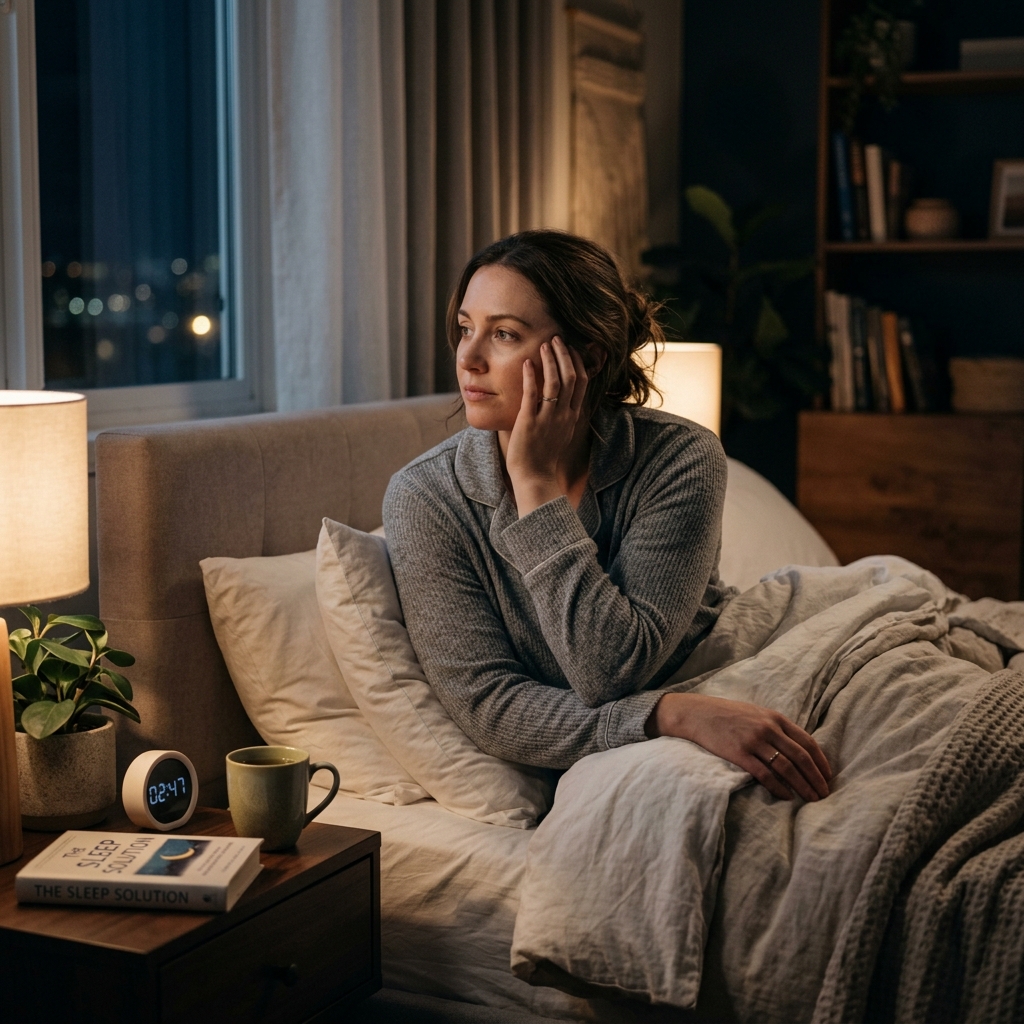
Sleep Disorders & Insomnia Support
Key Takeaways
- Understanding Sleep Disorders and Insomnia
- Difference Between Temporary and Chronic Sleep Problems
- Common Night-Time and Daytime Symptoms
- Main Causes of Poor Sleep and Insomnia
- Impact on Mood, Memory and Concentration
- Effect on Energy, Work and Relationships
- Stress, Anxiety and Lifestyle-Related Sleep Issues
- Healthy Sleep Habits and Sleep Hygiene
- Neuro-Ayurveda Approach to Sleep Support
- Manovaidya's Assessment and Support Process
- When to Seek Professional Guidance
- FAQs About Sleep Disorders and Insomnia
Want more content like this?
Join our adult sleep and emotional wellbeing newsletter for care tips from our experts.
Your privacy is important to us.
Sleep Disorders & Insomnia Support
India is a world of immense variety and diversity.India is a country with plenty of diversity and variation.
This course is for anyone who has experienced poor sleep or insomnia and wants to learn more about those issues to improve their sleep.
For physical and emotional health, a good night's sleep is critical. For most adults, sleep can get challenging from time to time due to stress, traveling, sickness or changes in usual pattern. In most cases, these temporary sleeplessness is resolved as soon as the main problem is resolved.
However when this sleep problem persists for weeks or months, it may start to impact energy levels, concentration, emotional wellbeing, work performance and overall quality of life. Some people have a hard time falling asleep, others might wake up several times during the night or get up earlier than they should and not be able to fall asleep again. These persistent sleep problems might go along with insomnia or other sleep issues.
We believe that sleep issues are far more than the amount of sleep you get.We know that at Manovaidya sleep issues are not just about the hours you sleep. There are a number of factors that affect healthy sleep, such as emotional well being, stress, daily rhythms, lifestyle and overall mind-body balance.
Under the guidance of Dr. Ankush Garg, Autism, ADHD, Child Development & Mental Health Expert in India, Manovaidya has been conducting various seminars in the field of Neuro-Ayurveda Development System, aimed at people to better understand sleep disorders, insomnia and the factors influencing long-term sleep health and emotional wellbeing.
At Manovaidya, Sleep Treatment Focuses On:
Difficulty Falling Asleep
Frequent Night Awakenings
Poor Sleep Quality
Daytime Fatigue
Healthy Sleep & Emotional Wellbeing
Insomnia
Understanding Sleep Disorders & Insomnia
Sleep is one of the most natural healing processes of the body. It gives the brain and body rest, replenishes energy and prepares for the day ahead.
Everyone suffers from sleepless nights every now and then. Stress-related, travel-induced or illness-induced sleep disturbances typically resolve after a short time.
When sleep problems occur regularly or for a long time, however, they can start to impact emotional health, physical health and functioning in daily life.
Lots of adults who are struggling with Sleep Disorder Treatment in India, Insomnia Support, Difficulty Sleeping or Poor Sleep Quality are seeking answers as they have an on-going sleep issue which is affecting their daily lives.
What Is Insomnia?
Insomnia is one of the most common sleep problems! [1]
Those who are unable to sleep may find that they have:
Difficulty falling asleep
Refusing to lie down or sleeping in bed for an extended period of time
Waking too early
Inability to feel refreshed after sleep
Difficulty falling or staying asleep, despite the amount of sleep time spent
Some may experience a reduced duration of insomnia and others may experience a prolonged duration of insomnia. Understanding the pattern, and why it's occurring is an important step in improving sleep health.
Temporary vs Chronic Sleep Problems
Temporary Sleep Problems
Short-term sleep disturbances can be caused by:
Stressful situations
Travel
Temporary illness
Changes in routine
Important life events
These tend to improve with change in circumstances.
Chronic Sleep Problems
If it is not helping sleep, it is difficult for a few weeks or longer and is affecting daily life, work or emotional well being, it may be beneficial to get a professional opinion.
If sleep problems continue, they do not happen as part of being a normal part of life or accepted as a given.
Common Signs & Symptoms of Sleep Disorders are:Common Signs & Symptoms of Sleep Disorders include:
There are many different signs and symptoms of sleep disorders.There are some common symptoms and signs that indicate sleep disorders.
Problems with sleep can affect more than just at night. They have a powerful effect on physical stamina, emotional health, concentration and performance during the day.
Night-Time Symptoms
Difficulty falling asleep
Waking up a lot at night
Rising to early from the alarm clocks
Restless sleep
Inability to get to sleep or stay asleep
Poor sleep quality
Daytime Symptoms
Constant tiredness
Low energy
Difficulty concentrating
Brain fog
Reduced productivity
Daytime sleepiness
These symptoms tend to occur in individuals who are not sleeping well or not sleeping enough, particularly those who are experiencing chronic sleep difficulties or insomnia.
Emotional Symptoms
Sleep disturbances can also have an impact on emotional health. Some individuals experience:
Irritability
Mood changes
Increased stress
Reduced emotional resilience
Feeling mentally exhausted
Cognitive Symptoms
Sleep issues may occur in those with:[6]
Memory
Attention
Decision making
Learning
Mental clarity
Common first symptoms of adult ADHD include problems focussing attention and becoming aware of how sleep is affecting them.
What are the causes of sleep problems?
When people have trouble sleeping, there are several things that can often be a factor, but not always. These influences are important to understand, as they will better enable individuals to understand their sleep health.
Stress
When we are stressed, our mind will not rest before going to sleep, which makes it hard to get restful sleep and keeps us awake at night.Stress won't let our mind de-stress before sleep, making it difficult to get a good night's rest and keeping us awake at night.
Anxiety
Worrying and overthinking can make you more aware of your mind and impact sleep.
Depression
Depressing individuals may sleep too little or too much, or both, and may experience a lack of feeling refreshed after sleep.
Lifestyle Habits
Poor sleep can result from a lack of a regular nighttime routine, overindulgence in caffeine, and other bad sleep habits or routines.
Screen Exposure
Some people may find it hard to sleep because of the presence of their mobile phone, laptop computer or other electronic gadget near their bed at night.
Shift Work
The body's rhythm of sleep and wakefulness may disturb when the body rhythm is changed by shifting rhythms and work during the night.
Physical Health Conditions
Medical conditions or chronic pain can interfere with sleep .
Ageing
Older adults' sleep patterns vary with age and some may sleep more lightly or for shorter periods than younger adults.
Why Early Understanding Matters
People will often tolerate poor sleep for months or years, thinking that it will get better.
Difficulty sleeping can eventually interfere with emotional health, physical wellbeing, concentration, work productivity and quality of life and early detection of sleep problems will help individuals realise what is causing the problem and what advice they should be following to avoid the situation spiralling out of control.
The effects of poor sleep on everyday functioning.The impact of poor sleep on everyday functioning.
Sleep is one of the most important healing activities that the body undertakes and when the body does not get a sufficient amount of sleep, it can be seen beyond the bedroom. Bad sleep can affect emotional health, physical health, ability to focus, productivity and relationships.
It's common for adults to think that their lack of sleep is a normal part of their busy lives. But if sleep continues to be a problem, it can start to interfere with other aspects of life over time and lower quality of life.
Emotional Wellbeing
Poor sleep may make it more difficult to regulate emotions and cope with everyday challenges. People who have chronic sleep issues say they suffer from:
Increased irritability
Mood swings
Feeling emotionally overwhelmed
Reduced patience
Difficulty relaxing
Increased emotional sensitivity
Brain Function & Concentration
Good sleep is essential for the brain to learn, remember & make decisions. If sleep is continually disturbed, some people might suffer from:
Difficulty concentrating
Brain fog
Forgetfulness
Reduced attention span
Slower thinking
Poor decision-making
Physical Wellbeing
Too much sleep can cause you to experience: [4][7]
Persistent fatigue
Low energy
Reduced physical performance
Headaches
Muscle discomfort
Daytime tiredness
Work Performance
In adults, insomnia can affect productivity and/or mental functioning, and can be accompanied by:
Difficulty completing tasks
Reduced motivation
Increased number of errors in the workplace
Lower productivity
Difficulty managing workload
Reduced creativity
Relationships
Some people develop the following disorders as a result of bad sleep:
Easily frustrated
Less patient
Emotionally distant
Less interested in interaction with others
More vocal and expressive when speaking to others
Daily Energy & Quality of Life
Individuals with chronic insomnia may also be fatigued during the day, which may affect their ability to:
Exercise
Enjoy hobbies
Take time to spend time with family.
Stay productive
Maintain healthy routines[7]
The Neuro-Ayurveda Approach to Sleep Disorders & Insomnia Support
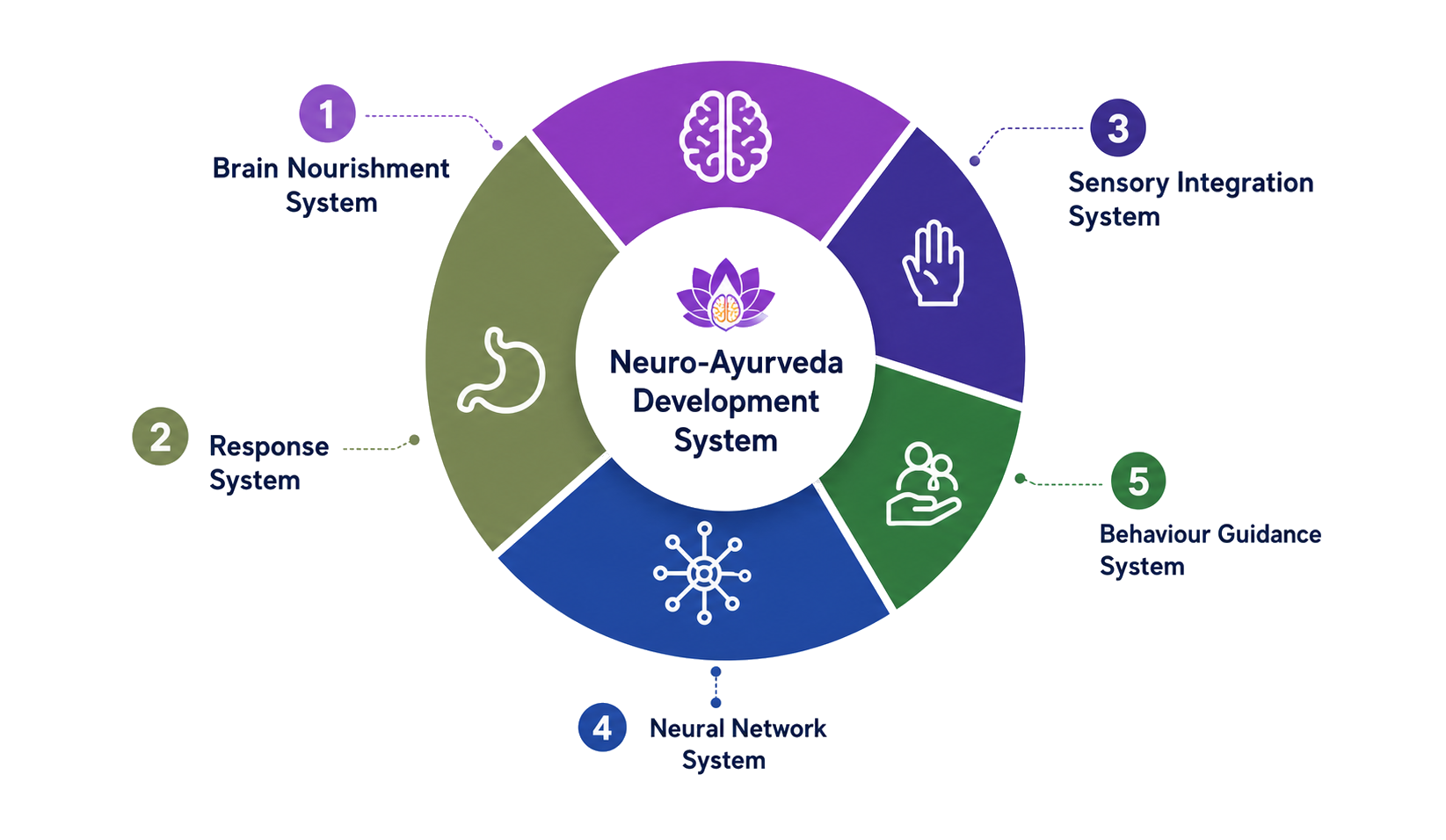
Healthy sleep at Manovaidya is experienced in a different way. Instead of just sleeping problems, we want to learn what factors contribute to good sleep, emotional health, lifestyle and health.
The Neuro-Ayurveda Development System is built around five interrelated pillars that aid in understanding the sleep concerns.
How Adults Can Improve Healthy Sleep Habits
To improve sleep, it typically takes practice.
Maintain a Consistent Sleep Schedule:
Bedtime and morning times should be the same for most days.
Reduce Screen Exposure Before Bed:
Using mobile phones, laptops and other electronic devices less before bed may aid the mind in preparing for sleep.
Create a Relaxing Bedtime Routine:
Reading, light stretching, meditation or relaxation exercises can help some people relax before bedtime.
Stay Physically Active:
Exercising regularly helps to stay physically healthy and maintain healthy sleep habits.
Limit Stimulants Late in the Day:
Caffeine, and other stimulants, may negatively affect sleep quality in some people, so try to limit their intake late in the day.
Manage Daily Stress:
Healthy ways to manage stress, relaxation techniques, and structured daily routine could enhance emotional health and sleep.
How Manovaidya Supports Adults
Support at Manovaidya starts with an understanding of the individual, not with sleep symptoms. A systematic, systematic approach for a measured improvement and development over time.
Step 1: Comprehensive Assessment – Sleep patterns, emotional wellbeing, lifestyle habits, stress levels and daily routine and concerns.
Step 2: Personalized Guidance - Personalised recommendations according to each person's sleep issues, lifestyle and emotional health.
Step 3: Emotional Wellbeing Support: Facilitating understanding of sleep difficulties, stress and healthy coping strategies in a systematic way.
Step 4: Neuro-Ayurveda Development System: Applying the 5 pillar approach to sleep health, emotional wellbeing, behaviour, lifestyle and mind body balance.
Step 5: Progress Tracking & Follow-Up: Establishing a plan to track progress and build more healthy sleep habits over time.
We aim to be clear, we don't aim to be relaxed. We become familiar with your sleep you deeply.
When is it a good time to consider an Assessment?
If you have the following symptoms, you might need professional advice:
Insomnia for several weeks
Frequent night awakenings
Persistent daytime fatigue
Poor sleep, impacting work or relationships
Difficulty concentrating due to lack of sleep
Emotional upset associated with insomnia
Continued inability to sleep that impacts daily functioning
A structured assessment can assist in identifying factors that may impact sleep and a tailored plan for better sleep and emotional wellness.
We aim to assist the person to get a more restful night's sleep, feel refreshed and alert during the day, have emotional stability and feel better overall.
Why Adults Across India choose Manovaidya?

Constant sleep disturbances can be physically draining and emotionally overwhelming. Many adults experience problems falling asleep and waking up during the night, or feel tired upon waking in the morning – and think that their sleep is of poor quality because of their busy lives.
Our support concentrates on:
Comprehensive Sleep Assessment
Neuro-Ayurveda Development System
Personalized Guidance
Holistic Mind-Body Perspective
Long-Term Sleep Health
Ongoing Support & Progress Tracking
Adults of Delhi, Noida, Gurgaon, Faridabad, Ghaziabad and other cities of India reach Manovaidya for Sleep Disorders & Insomnia Support, Healthy Sleep Guidance and Emotional Wellbeing support via online and in-clinic consultation services.
About Dr. Ankush Garg

Mental Health & Wellness Specialist
Founder, Manovaidya | Creator of the Neuro-Ayurveda Development System
Dr. Ankush Garg
Mental Health & Wellness Specialist
Based in Delhi NCR, Dr. Ankush Garg supports adults and families from across India through structured assessment, personalized guidance and the Neuro-Ayurveda Development System.
His work focuses on Child Development, Teen Mental Wellness, Adult Mental Health, Women's Emotional Wellbeing and Senior Mental Health Support through a structured, personalized and holistic approach.
Many adults experiencing insomnia, disturbed sleep, poor sleep quality or persistent daytime fatigue seek guidance to better understand the factors influencing their sleep and emotional wellbeing. Through structured assessment and personalized guidance, Dr. Ankush Garg helps individuals better understand healthy sleep while supporting long-term emotional wellbeing.
Frequently Asked Questions
There are several factors that could be responsible for a poor night's sleep, including stress, anxiety, sleep issues, excessive screen time, lifestyle and other health conditions. Some have difficulties falling asleep or get up a lot at night. If sleep problems last for weeks and are causing problems with energy level, mood or everyday functioning, an expert assessment of the cause of the poor sleep may be helpful.
Struggling to get to sleep or can't get to sleep?
Book Consultation
Take the First Step Towards Better Sleep
Book a guided evaluation and personalized sleep direction session with Manovaidya team, learn more about what you worry about in your sleep, emotional health and overall well-being.
Why Trust Manovaidya?
Structured Neuro-Ayurveda Development System
Personalized Assessment Before Recommendations: To make personalized recommendations for each student.
Online & In-Clinic Consultations in all over India.
Holistic Mind-Body Approach
Taught by Ankush Garg Ph.D.
Emphasize Healthy Sleep & Long-Term Wellbeing
Make the First Step to Improved Sleep & Emotional Wellness.
If you are having difficulty sleeping, if you can't get to sleep, if you wake up at night and can't fall back asleep, if you have non-restorative sleep, if you are losing sleep, if you are fatigued or if you are sleep deprived, we can help you.