-CrYNDrPl.png)
Self-Esteem & Confidence Support
Low Self-Esteem & Confidence Support in India
Supporting adults to develop healthy self-esteem, confidence and emotional wellbeing.
Self-Esteem & Confidence Support
Key Takeaways
- Understanding Low Self-Esteem and Confidence
- Difference Between Self-Esteem and Confidence
- Common Emotional, Behavioural and Social Signs
- Main Causes of Low Self-Esteem and Self-Doubt
- Impact on Relationships, Career and Daily Life
- Emotional Wellbeing and Personal Growth
- Healthy Confidence Building Strategies
- Neuro-Ayurveda Development System
- Manovaidya's Assessment and Support Process
- When to Seek Professional Guidance
- FAQs About Low Self-Esteem and Confidence
Want more content like this?
Join our adult confidence and emotional wellbeing newsletter for care tips from our experts.
Your privacy is important to us.
Self-Esteem & Confidence Support
Supporting Adults to develop healthy self-esteem, confidence & emotional wellbeing.
Self-confidence affects our thinking, communication, decision making and our reactions to life's circumstances. There are times when everyone gets nervous before an interview, presentation, examination or major decision. These aren't permanent emotions, but they're normal and typically get better with practice.
If self-doubt is constant and starts to impact on work, relationships, communication or personal growth, however, it could be linked to a low sense of self-esteem, or confidence issues. People can start to doubt their competence, decline new challenges or think that they are "not good enough" when they have the skills to be successful.
Low self-esteem is a silent condition in many adults, and the symptoms can manifest as perfectionism, overthinking, people-pleasing or fear of failure. Others make comparisons with peers, friends or social media and start to doubt themselves.
Here at Manovaidya, we know that confidence isn't all about positive thinking or shouting with your mouth open. Emotional wellbeing, self-awareness, a balanced approach to thinking and daily routines are all important factors in developing healthy confidence.
Under the Neuro-Ayurveda Development System, Dr. Ankush Garg, Autism, ADHD, Child Development & Mental Health Specialist at Manovaidya guides individuals to understand how to improve their self-esteem, confidence and the factors that affect their emotional health in the long run.
At Manovaidya, the focus of Self-Esteem & Confidence Support is:
Low Self-Esteem
Lack of Confidence
Negative Self-Talk
Fear of Failure
Self-Doubt
Emotional Wellbeing
Learning about Low Self-Esteem & Confidence
Self-esteem is the self-appraisal and self-evaluation. It relates to perceptions of ability, strengths and self-worth.
Confidence is the feeling of assurance in oneself, in their abilities or judgments. An individual can be self-assured in their professional life, but not necessarily in other areas such as relationships, social interaction or public speaking.
People develop their self-esteem and confidence and are able to engage with challenges, learn from mistakes and continue to grow when things are tough.
If self-esteem is consistently low, decisions for day-to-day life can become difficult. People might turn down opportunities, question their capabilities, or always look to others for validation.
People looking for Low Self-Esteem Support in India, Confidence Building Support, Self-Doubt Help or How to Improve Confidence are seeking practical advice as the problems have impacted upon the various aspects of their lives.
The first step towards developing healthier emotional wellbeing is to know the difference between self-esteem and confidence.
Self-Esteem vs Confidence
These terms are frequently intertwined but are distinct measures of emotional wellbeing.
Self-Esteem
Self-esteem is how you feel about yourself in general. It’s asking what questions such as:
Am I worthy?
Do I respect myself?
Am I sure that I am worthy of being happy?
How do I see myself as a person?
Self-esteem is generally stable and positive even during difficult times.
Confidence
Confidence is the feeling of confidence that one can undertake a given task or cope with a given situation. For instance, one individual could believe they are confident:
Giving presentations
Running a business
Solving problems
Driving a car
Yet still experience poor self-esteem in their personal relationships.
Confidence and self-esteem are interrelated; they both play a role in emotional wellbeing.
Common Signs & Symptoms of Low Self-Esteem

Low self-esteem can build up slowly and sometimes it's not apparent to others. Early identification of these symptoms can increase the awareness of an individual's experience.
Emotional Signs
Many adults experience:
Constant self-doubt
Not feeling "good enough"
Fear of failure
Shame
Guilt
Feeling inferior to others
Emotional sensitivity
Behavioural Signs
Confidence can affect behaviour in various ways. Some individuals:
Avoid new opportunities
Delay important decisions
Frequently apologise
Seek constant approval
Give up easily
Try to refrain from taking healthy risks.
Cognitive Signs
Low self-esteem is usually accompanied by negative thoughts. Individuals may experience:
Negative self-talk
Overthinking
Self-criticism
Fear of judgement
Difficulty accepting compliments
If you do not expect to fail, you will never.If you don't believe you can fail, you can't.
Social Signs
Issues with confidence can impact relationships and communication, too. Some individuals:
Avoid social situations
Hesitate to express opinions
Have problems in meeting new people
Make comparisons with others[4]
Fear rejection
Have trouble saying "no"
What Causes Low Self-Esteem?
Low self-esteem normally occurs over a period of time as a result of a series of events in life rather than one event. Typically, these are caused by:
Childhood Experiences
Unrealistic expectations or lack of emotional support, repeated criticism in childhood can impact a person's self-perception as a child and thus as an adult.
Bullying
Being bullied at school, in college or at work can cause loss of confidence and a sense of self-doubt.
Difficult Relationships
Unhealthy relationships, rejection or criticism on an ongoing basis can take a toll on self-esteem.
Fear of Failure
If he or she is disappointed a number of times or if he or she is afraid of failing the next time, he or she may become less confident, and he or she may not take advantage of new opportunities.
Social Comparison
Getting into constant comparison with others, particularly social media, can set up unrealistic expectations and diminish confidence.
Mental Health Challenges
Other factors like anxiety, depression or chronic stress can also impact confidence and self-esteem.
Perfectionism
Those who think they are expected to do everything right can be very critical and lose their confidence when they make a mistake.
Why Early Understanding Matters
A lot of adults think that it is just a part of their personality that they have low levels of confidence. Confidence and self-esteem, however, are not permanent. Experiences, thoughts, behaviours and emotional wellbeing affect them. Early recognition of signs of low self esteem, may enable individuals to understand the contributing factors and develop healthy coping strategies, and receive appropriate guidance before challenges start to impact on working, relationships and life quality.
How Low Self-Esteem Can Affect Daily Life
Low self-esteem isn't just about not being confident. It can impact how someone thinks, feels, communicates and reacts to surroundings over time. It can eventually impact on career development, relationships, emotional health and quality of life.
They may be fine on the outside but have persistent inner doubts. They might turn opportunities down, think they are not as able as they are, or need to seek approval from others, even though they are able and talented. The knowledge of the impact of low self-esteem on various aspects of life is a very useful step towards developing confidence and emotional wellness.
Emotional Wellbeing
A low self-esteem can impact emotional health. A lot of adults report suffering from:
Constant self-doubt
Inadequation is felt
Fear of rejection
Shame
Guilt
Emotional sensitivity
Difficulty accepting appreciation
Career & Professional Growth
Self-assurance is important to career growth. Those who have low self-esteem as adults can have:
Hesitation to accept new responsibilities
Fear of speaking in meetings
Avoiding leadership opportunities
Difficulty negotiating salaries
Inadequacy
Underestimating their abilities
Relationships
Healthy relationships go hand-in-hand with healthy self-worth. People with low self-esteem might experience:
Fear of rejection
Difficulty expressing feelings
Constant reassurance seeking
People-pleasing behaviour
Unwillingness to take care of oneself
Engaging in unhealthy relationships.
Decision-Making
Low confidence is someone who finds it difficult with making day-to-day choices. Some people ask themselves over and over again. This uncertainty may lead to procrastination, indecisiveness and increased stress.
"What if I make the wrong decision?"
"What if people judge me?"
"What if I fail?"
"Maybe someone else knows better."
Social Life
Self-confidence also plays a role in social interaction. As time passes, refusal of social experiences could make confidence even lower and isolation even more prevalent. Some adults may:
Avoid meeting new people
Feel uncomfortable expressing opinion
Fear public speaking
Analyze themselves in relation to others[4]
Withdraw from social situations
Personal Growth
Limited self-esteem may hinder people from achieving their potential. Identifying these patterns early could help people slowly develop a more positive attitude and emotional strength. Many people avoid:
Learning new skills
Taking up better work opportunities
Starting a business
Travelling alone
Building new relationships
Pursuing personal goals
The Neuro-Ayurveda Development System for Self-Esteem & Confidence
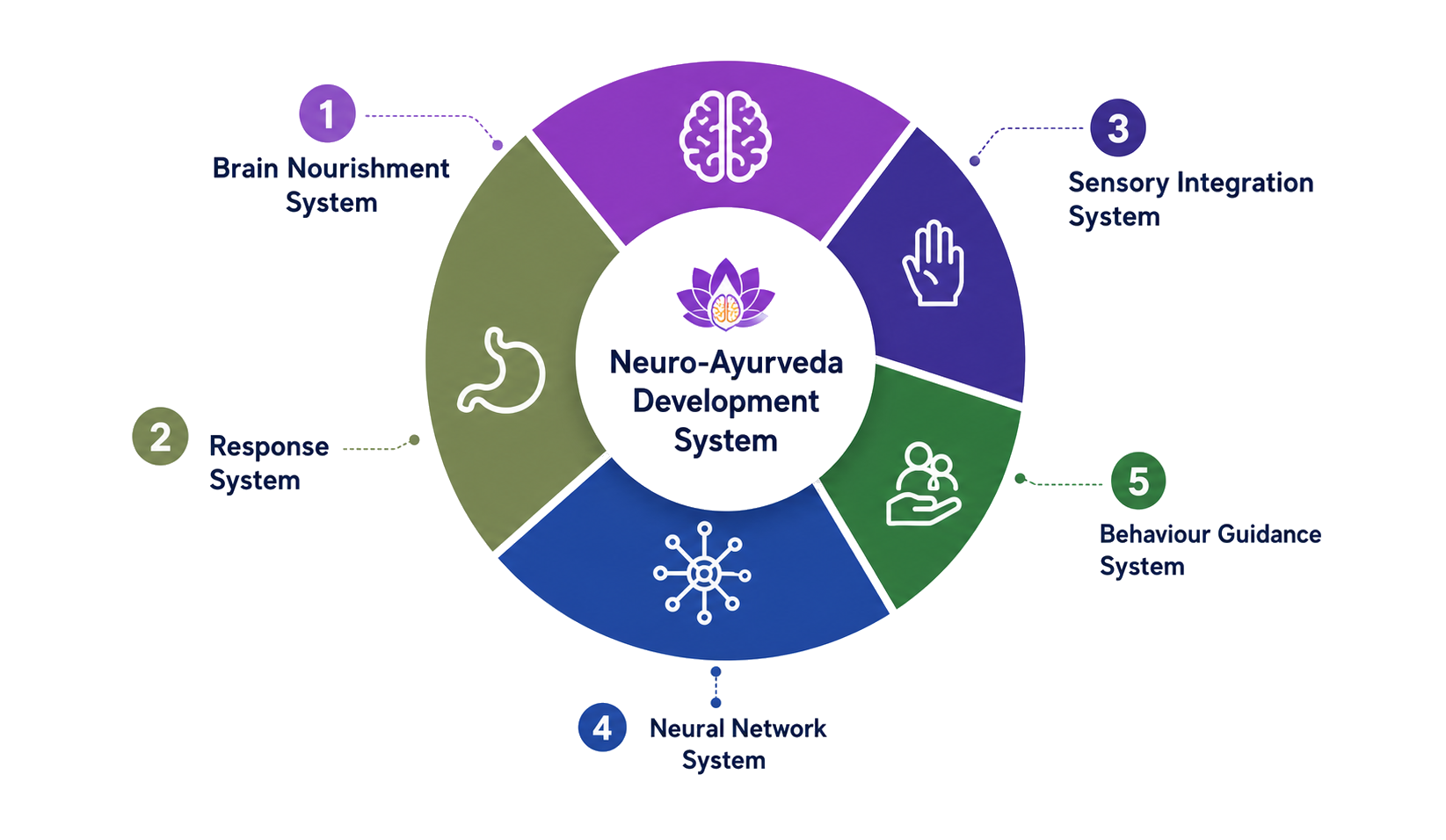
At Manovaidya, confidence means more than just belief. We don't just focus on self doubt, but we want to understand the factors that have an impact on emotional wellbeing, behaviour, lifestyle and overall health.
The Neuro-Ayurveda Development System enables people to gain insight into the concept of 'Confidence' and 'Self-Esteem' by five interconnected pillars.
How Adults Can Build Healthy Confidence
Healthy confidence typically takes time to build and comes through consistent habits and self-awareness.
Self-awareness: Knowing yourself, your strengths and weaknesses, and your emotional patterns are an important first step in gaining confidence.
Challenge Negative Self-Talk: Learning to recognise and question overly critical thoughts may gradually improve self-belief.
Set Realistic Goals: Small, manageable goals can help foster confidence over time.
Follow healthy daily habits: Sleep, eating a balanced diet, exercise and establishing consistent habits help to promote physical and emotional health.
Reduce Constant Comparison: Everyone has a different journey. Emphasizing growth and progress rather than comparing self to others may help build self-esteem.
Build Supportive Relationships: It's important to surround yourself with people who are supportive and respectful, which can help you develop a healthier confidence and emotional resilience.
How Manovaidya Supports Adults
Confidence issues come in many forms and at Manovaidya, it's all about understanding the person. A well-defined, sequential, long-term learning and change process.
Step 1: Comprehensive Assessment: Knowledge of self-esteem, confidence, emotional wellbeing, lifestyle habits, stress levels and daily routines.
Step 2: Personalised Guidance: Individualised recommendations based on emotional, behavioural and lifestyle needs of each person.
Step 3: Emotional Wellbeing Support: Supporting people to develop their understanding of self-worth, confidence and healthy coping strategies in a systematic fashion.
Step 4: Neuro-Ayurveda Development System: Understanding emotional wellbeing and behaviour, lifestyle and mind-body balance through the five pillar approach.
Step 5: Progress Tracking & Follow-Up: Building a plan to track progress, reinforce positive lifestyle changes, and promote lifelong confidence.
We are not about to provide temporary relief, we're about clarity. We deeply help you to understand your actual potential.
When Should You Consider an Assessment?
If you have any of the following symptoms, you might want to consult with a professional:
Persistent low self-esteem
Constant self-doubt
Fear of failure affecting daily life
Difficulty making decisions
Avoiding opportunities because of lack of confidence
Negative self-talk
Self-esteem problems at work or in relationships
A structured assessment can be used to help identify factors impacting upon confidence, emotional wellbeing and self-worth, and to develop a personalised pathway to healthier emotional resilience and ongoing personal development.
We want to assist individuals in transitioning from a place of doubt, fear, to a place of confidence, emotional strength, healthier relationships and a more satisfying life.
Why Adults Across India Choose Manovaidya

But when a person has a low sense of self-esteem or self-confidence, it can subtly impact many aspects of life. Many people do not voice their views and many others always question their capabilities irrespective of their successes. These patterns can affect relationships over time, as well as growth, emotional wellbeing and personal happiness.
Our support focuses on:
An all-inclusive self-esteem and confidence evaluation. A full self-esteem and confidence assessment.
Personalized Guidance
Holistic Mind-Body Perspective
Long-Term Personal Growth
Ongoing Support & Progress Tracking
Adults from Delhi, Noida, Gurgaon, Faridabad, Ghaziabad and all over India get connected to Manovaidya, Low Self-Esteem & Confidence Support through online & in-clinic consultations.
About Dr. Ankush Garg
Dr. Ankush Garg
Mental Health & Wellness Specialist
Based in Delhi NCR, Dr. Ankush Garg supports adults and families from across India through structured assessment, personalized guidance and the Neuro-Ayurveda Development System.
His work focuses on Child Development, Teen Mental Wellness, Adult Mental Health, Women's Emotional Wellbeing and Senior Mental Health Support through a structured, personalized and holistic approach.
Many adults experiencing low self-esteem, fear of failure, persistent self-doubt or confidence challenges seek guidance to better understand the factors influencing their emotional wellbeing.
Through structured assessment, personalized guidance, lifestyle recommendations and continuous follow-up, Dr. Ankush Garg helps individuals better understand emotional wellbeing while supporting long-term personal growth through the Neuro-Ayurveda Development System.
Frequently Asked Questions
Low self-esteem is when you consistently feel bad about yourself or doubt your value or skills. Those who have low self-esteem might think they are not good enough, be afraid of failing or always need validation from others. Such emotions can impact relationships, job work and emotional well-being. It's crucial to understand why people may have low self-esteem in order to develop better self-confidence and self-worth.
Struggling With Low Self-Esteem or Lack of Confidence?
Book a Consultation
Take the First Step Towards Healthier Confidence
Discuss your concerns with the Manovaidya team and receive structured, personalized guidance.
Discuss and gain a better understanding of self-esteem, confidence issues and emotional wellness with the Manovaidya team in a structured session and receive personalized guidance.
Why Trust Manovaidya?
Structured Neuro-Ayurveda Development System
Personalized Assessment Before Recommendations
Online & In-Clinic Consultations Across India
Holistic Mind-Body Approach
Guidance by Dr. Ankush Garg
Focus on Long-Term Emotional Wellbeing & Personal Growth
Take the First Step Towards Healthier Confidence & Emotional Wellbeing
Whether you are experiencing negative self-talk, fear of judgement, low self-worth or confidence challenges, our team is here to help you understand your concerns and explore personalized support.