-CrYNDrPl.png)
Teen Mental Wellness
Low Confidence & Self-Esteem
Teen Confidence & Emotional Wellbeing Support in India
Helping Teenagers Build Confidence, Emotional Resilience, Self-Belief & Healthy Emotional Wellbeing.

Low Confidence & Self-Esteem
Key Takeaways
- Understanding Teen Confidence & Emotional Wellbeing
- Common Signs of Low Confidence
- Causes of Self-Doubt in Teenagers
- Social Comparison & Social Media Influence
- Effects on Learning, Relationships & Motivation
- Fear of Failure & Perfectionism
- Building Self-Belief & Emotional Resilience
- Supporting Social Confidence & Communication
- Neuro-Ayurveda Approach to Teen Confidence
- Parent Guidance for Confidence Building
- Manovaidya Assessment & Support Process
- FAQs About Teen Confidence & Self-Esteem
Want more content like this?
Join our teen mental wellness newsletter for confidence, resilience and emotional wellbeing guidance from our experts.
Your privacy is important to us.
Teen Confidence & Emotional Wellbeing Support in India
- Low Confidence & Self-Doubt
- Self-Esteem Challenges
- Emotional Wellbeing
- Motivation & Growth Mindset
- Social Confidence
- Resilience & Positive Development
Helping Teenagers Build Confidence, Emotional Resilience, Self-Belief & Healthy Emotional Wellbeing
Confidence is essential to the way that teenagers think, learn, communicate and react to challenges. In the teen years, adolescents are continually searching for an identity, experimenting and finding their place in the world.
A lot of teenagers suffer from self-doubt, fear of judgement, or lack of confidence and uncertainty about their abilities. These challenges have the potential to impact emotional health, learning, relationships, and overall development.
Parents are often aware that their teen has developed a lack of confidence, isolation or negative self-perceptions. Some teens miss out on opportunities for fear of failure and some teens have real skill and potential but are lacking in confidence.
We know at Manovaidya that confidence isn't really just being loud or out there. A sense of confidence is closely related to emotional wellbeing, self-belief, resilience and coping with life's challenges in a balanced manner.
Autism, ADHD, Child Development & Mental Health Specialist in India, Dr. Ankush Garg takes an organized Neuro-Ayurveda treatment strategy that can assist teenage and family with knowing about the emotional wellness and supports their self-confidence, resilience and long haul development.
At Manovaidya, Teen Confidence & Emotional Wellbeing Support Focuses On:
Low Confidence & Self-Doubt
Self-Esteem Challenges
Emotional Wellbeing
Motivation & Growth Mindset
Social Confidence
Resilience & Positive Development
Confidence is the assurance and trust that an individual can learn, improve and deal with difficulties even when they are difficult.
Teens go through intense emotional, social and personal growth during their teens. They start to compare themselves with other children, start to think more about the future and to develop a stronger sense of identity.
Many of the families who are seeking Teen Confidence Support in India, Self-Esteem Support for Teenagers or Teen Emotional Wellbeing Support in India are looking for a programmatic approach to help their teenagers build confidence and emotional wellbeing.
Confidence is not something that appears overnight.
It is built on experience, relationships, learning opportunities and emotional support.
Teenagers with healthy confidence are more likely to:
Express their thoughts openly
Try new experiences
Learn from mistakes
Build healthy relationships
Manage challenges more effectively
A lack of confidence can lead to teenagers feeling unsure of themselves, worried about failing and emotionally distressed.
Familiarity with confidence from a wider lens can sometimes aid families in setting up a more conducive environment for growth and development.
Common Signs of Low Confidence in Teenagers
There are many forms of low confidence.
Some teens are openly self-doubting, others may avoid, or be overly good or withdrawn.
Parents might observe emotional, behavioral, educational and social changes.
Emotional Signs
• Self-doubt
• Negative self-talk
• Fear of judgement
• Increased emotional sensitivity
• Lack of self-belief
Behavioural Signs
• Avoiding challenges
• Difficulty accepting change
• Giving up easily
• Excessive perfectionism
• Fear of participation
Academic Signs
Lack of confidence despite ability
Fear of making mistakes
Avoiding difficult tasks
Reduced participation in class
Excessive worry about performance
Social Signs
• Difficulty expressing opinions
• Social withdrawal
• Comparing themselves to others
• Fear of rejection
• Reduced social confidence
The occurrence of one or two signs does not necessarily mean that there is a major concern. If, however, low confidence interferes with emotional health, relationships or functioning, then there may be a need for further understanding and support.
Why Teenagers Struggle With Confidence
There are lots of factors that could affect confidence.
If parents know these influences, they can be better able to respond.
Social Comparison
Teens often make comparisons with friends, classmates and social media content.
Constant comparison can lead to a sense of inadequacy and doubt in self.
Academic Pressure
Expectations from school can impact self-awareness and confidence in their abilities among teens.
Confidence could be adversely affected by repeated struggles or the fear of failure.
Fear of Failure
There are also many teens who will avoid challenges as they fear making mistakes or putting themselves in a situation where they are going to be disappointed.
Social Media Influence
The false idealization of success, appearance and lifestyle that is found in the online world.
Comparisons may affect self-esteem and emotional health.
Peer Relationships
The period of adolescence is a time of social experiences and friendships.
Negative social experiences can impact confidence and self-esteem.
Family Expectations
Good intentions often lead to pressures when teens are not able to keep up.
Negative Experiences
You can see how previous criticism, failures, bullying or challenging experiences could impact the way that teens see themselves and their skills.
Many parents are concerned that if they continue to have low confidence and a feeling of self-doubt or emotional problems, they are worried that these issues will impact their teen's future opportunities, relationships and overall wellbeing. Addressing these worries early can assist families foster healthier emotional development and resilience.
How Low Confidence Can Affect Teenagers
Confidence impacts so much more than just teenagers' self-perception.
It has the potential to impact emotional well-being, communication, learning, relationships and future growth.
If confidence is low over a prolonged period of time, teenagers may start to restrict their own potential, as they lose confidence in their abilities.
Knowing these impacts can sometimes assist families to appreciate the importance of confidence in healthy development.
Emotional Wellbeing
Low confidence can have an impact on emotional health.
Teenagers may experience:
Self-doubt
Negative thinking
Fear of judgement
Increased emotional sensitivity
Worry about making mistakes
Reduced self-belief
These emotions can shape how teens react to day-to-day struggles and opportunities over time.
Academic Growth
A lot of teenagers who don't have a lot of confidence in themselves, are unaware of their capabilities.
They may:
Avoid answering questions
Hesitate to participate in class
Doubt their capabilities
Fear academic challenges
Avoid taking healthy risks
Even capable students may struggle to perform at their full potential when confidence is low.
Relationships & Social Confidence
Confidence influences communication and relationships.
Teenagers with low confidence may:
Avoid expressing opinions
Fear rejection
Struggle in social situations
Find it difficult to make new friends
Compare themselves to others
Healthy confidence often helps teenagers develop stronger communication skills and healthier relationships.
Decision Making
At this age, teenagers are constantly making decisions involving studying, making friends, activities and future plans.
Low confidence can make it harder to make a decision.
Many teens start looking for constant affirmations as they are afraid of going wrong.
Motivation & Personal Growth
There is a relationship between high self-confidence and high motivation.
But teens who have self-confidence tend to be more open to:
• Try new experiences
• Learn new skills
• Accept challenges
• Recover from setbacks
Without confidence, teens may think they can't do it, and as a result, growth may be stunted.
Future Development
Teenagers' confidence impacts on their opportunities later in life.
Healthy confidence supports:
• Leadership
• Communication
• Career development
• Independence
• Emotional resilience
By building confidence during this adolescent period, you can get a better start for life as an adult.
The Neuro-Ayurveda Approach to Confidence & Emotional Wellbeing
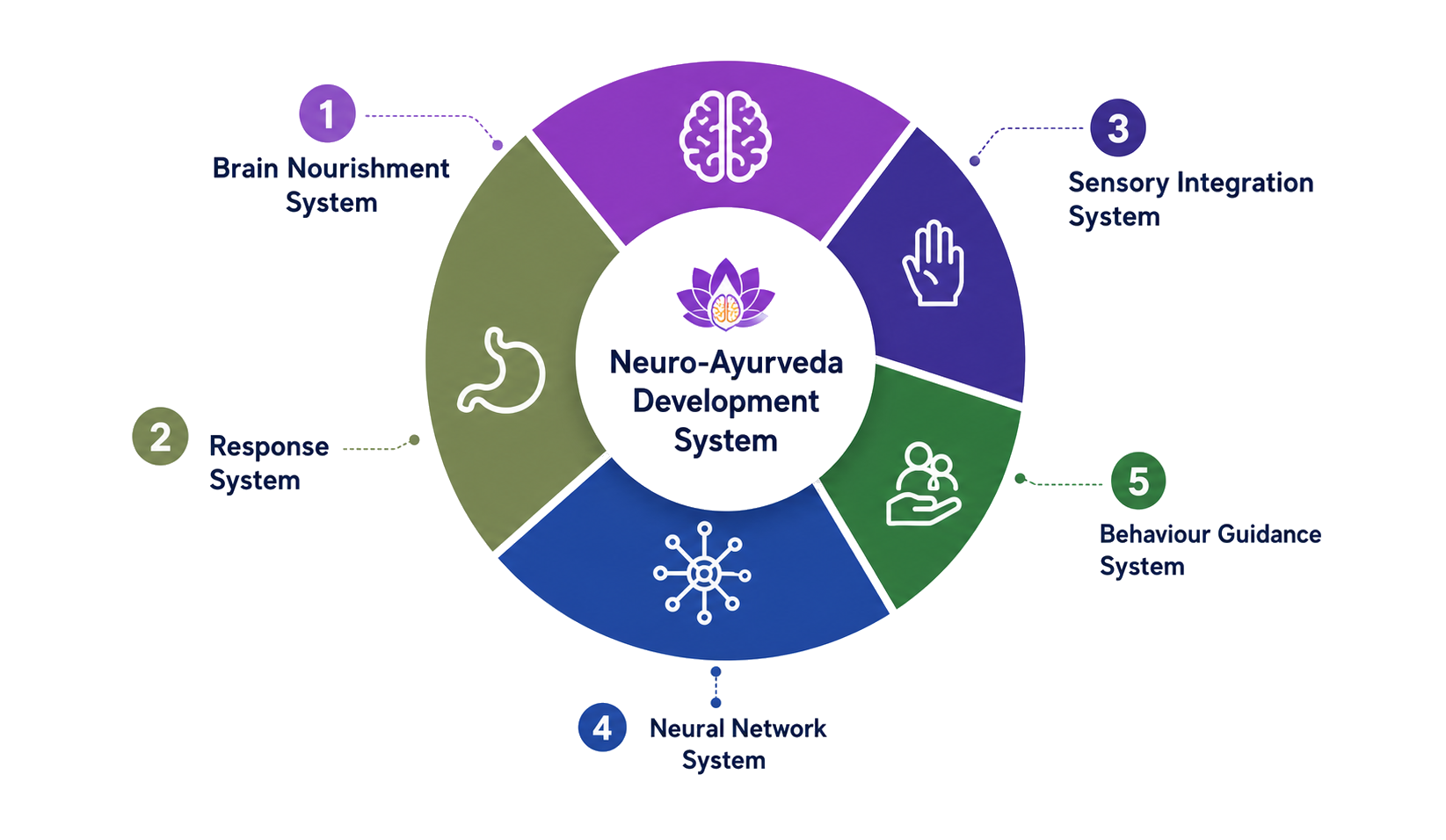
Confidence at Manovaidya is defined differently and in a wider and more encompassing way.
Manovaidya doesn't solely concentrate on self-esteem and motivation; instead, she concentrates on comprehending the bigger picture that might be impacting emotional wellbeing, confidence, behaviour, resilience and overall development.
The Neuro-Ayurveda Development System empowers the families to grasp emotional wellbeing in five interconnected pillars.
Brain Nourishment System
Self-confidence is linked to emotional and cognitive health.
The Brain Nourishment System is based on the awareness of factors that can affect:
• Self-belief
• Attention
• Learning readiness
• Emotional regulation
• Decision making
• Confidence development
Teens' experiences, challenges and achievements are processed in a certain way and this is the starting point for supporting confidence.
Gut Response System
Emotional wellbeing often goes hand-in-hand with physical wellbeing.
People who are having confidence issues as teens might also have:
• Poor routines
• Irregular eating habits
• Lifestyle imbalance
• Low energy levels
• Reduced daily engagement
The Gut Response System teaches about how the general state of wellbeing can affect emotional balance and confidence.
Neural Network System
All experiences help shape patterns of thinking and responding in the brain.
The Neural Network System is about learning about:
• Thought patterns
• Self-belief systems
• Emotional responses
• Learning habits
• Adaptability
Supporting healthy thinking with teens can go hand in hand with confidence and resilience.
Sensory Integration System
Adolescents are different when it comes to environments, experiences and social situations.
Factors such as:
• Classroom settings
• Social environments
• Peer interactions
• Digital stimulation
• Performance situations
May affect emotion, confidence.
Families are better able to establish more supportive environments when they know what influences these factors.
Behaviour Guidance System
Teenagers' behaviours are frequently the result of their self-image.
Low confidence teenagers may exhibit:
• Avoidance behaviours
• Hesitation
• Withdrawal
• Perfectionism
• Fear of participation
This pillar is not just about behaviour; it's about understanding the underlying factors that are driving behaviours and enabling families to respond more effectively.
How Parents Can Help Build Confidence in Teenagers
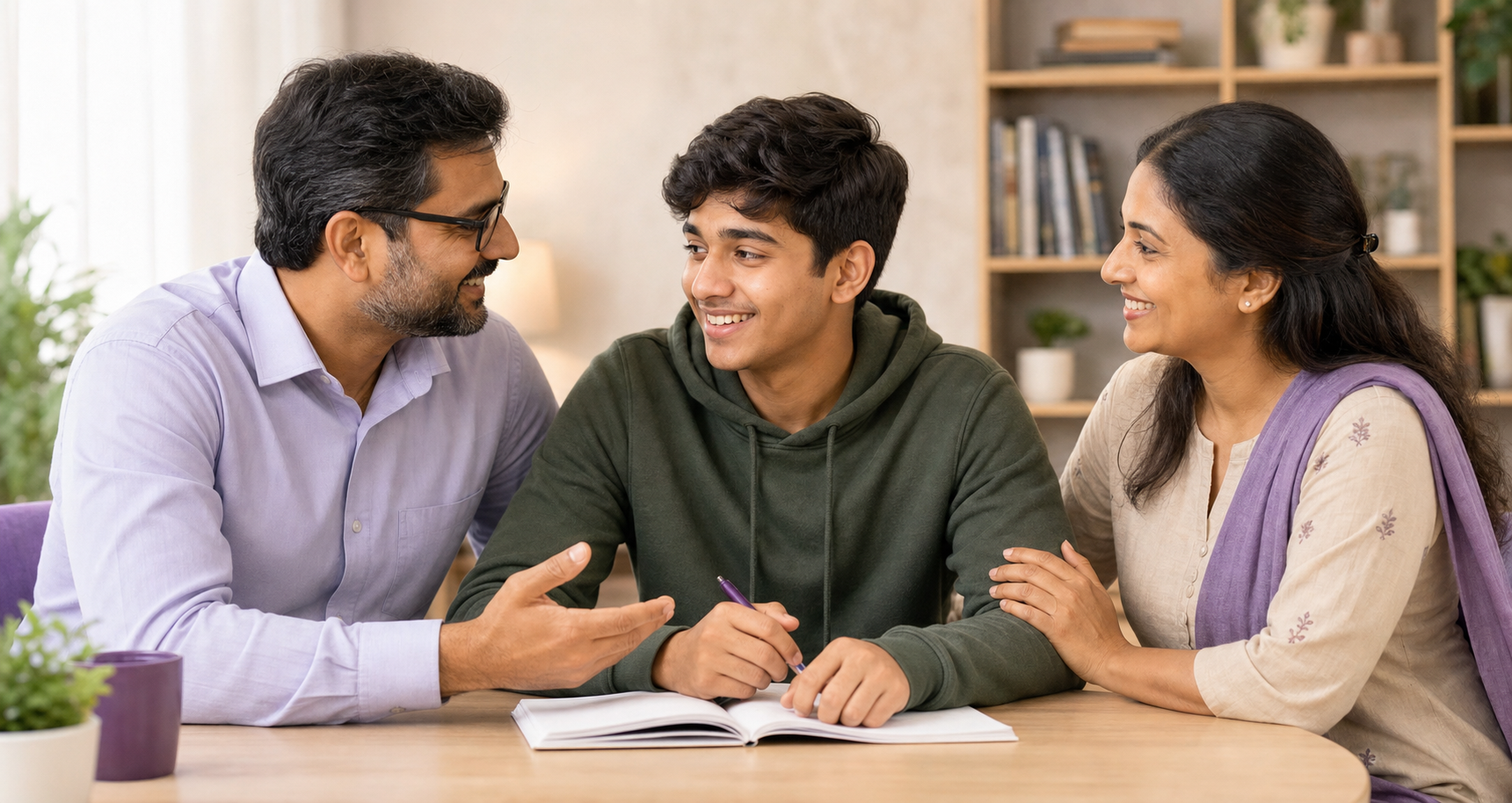
Parents are one of the most influential partners in the development of healthy confidence and emotional remediation of teenagers.
Minor adjustments in communication and support make a lot of difference.
Encourage Effort Rather Than Perfection
It is beneficial to teenagers when effort, learning and progress is valued, not just outcomes.
Identifying growth and accumulation of confidence over time.
Avoid Excessive Criticism
It can be demoralising when you are constantly criticised and you start to doubt yourself and your ability.
When providing constructive feedback, it's better to do so positively and compassionates.
Celebrate Small Successes
Positive experiences help build confidence.
Praise and recognition for achievements and improvements, and personal strengths can help teenagers build a positive self-image.
Support Independence
Teens are taught to make responsible decisions, and that gives them confidence and the habit of making decisions for themselves.
Experience learning is a crucial component of development.
Focus on Strengths
There are individual strengths and abilities in every teens life.
Supporting teenagers to identify their strengths can help to boost self-belief and motivation.
Encourage Healthy Communication
Establishing an open conversational space helps teens to be more at ease expressing their thoughts and feelings.
When people feel that their thoughts and feelings are being heard, their confidence is bolstered.
Teach Resilience
Confidence isn't about the lack of failure.
It's about how to bounce back, how to adapt and how to get straight back on track after a fall.
How Manovaidya Supports Teenagers & Families
A person starts with the kid at Manovaidya, knowing and understanding the teenager as a whole, instead of the specific concern.
Our process typically includes:
Step 1: Detailed Assessment
Knowing about confidence issues, emotional health, behaviour, motivation, lifestyle habits, social experiences and family issues.
Step 2: Personalized Guidance
Making individual recommendations as needed to the teenager's emotional, behavioural and developmental needs.
Step 3: Parent Guidance & Family Support
Providing parents with more information on confidence building, communication and how to support emotional development at home.
Step 4: Neuro-Ayurveda Development System
Implementing five pillars approach to gain insight into emotional wellbeing, resilience, confidence and overall development.
Step 5: Progress Tracking & Follow-Up
The development of an organized plan which allows families to track the development and make decisions along the way.
When Should Parents Consider an Assessment?
If parents observe the following, they may wish to seek advice:
Persistent self-doubt
Low self-esteem
Social withdrawal
Fear of failure
Lack of confidence despite ability
Emotional sensitivity
Difficulty expressing opinions
Reduced motivation
Confidence challenges affecting daily life
The structured evaluation process can assists family to understand the factors that affect emotional wellbeing, confidence and overall development.
Why Families choose Manovaidya
For many families, finding the right support system for confidence and self-esteem and emotional wellbeing can be daunting. Parents need clarity, practical advice, a plan, and a way to help teens gain confidence while keeping their emotions in check and resilient.
We don't just want to work on confidence at Manovaidya. We support families to understand the wider issues which could impact on emotional wellbeing, self-belief, behaviour, motivation and development.
Families Choose Manovaidya Because Of:
Structured Teen Confidence Assessment
All teens are different and gain confidence in their own way. Knowing the emotional, behavioral and life style influences allows for more of a personalized plan for growth and development.
Neuro-Ayurveda Development System
We have a framework that supports families to learn about emotional wellbeing and confidence through five interrelated components:
Brain Nourishment System
Gut Response System
Neural Network System
Sensory Integration System
Behaviour Guidance System
Parent-Centred Guidance
It's not just about building the teenager's confidence.
Parents have a role in the development of self-belief, emotional resilience and healthy development that is often one of the most significant roles.
Personalized Support
Confidence issues are unique for every teen.
Advice takes into account individual strengths and challenges and developmental needs.
Long-Term Growth Focus
We're not just about getting them motivated for the moment, we're about helping them build up emotional resilience, confidence, communication and self-belief in their overall wellbeing.
Family-Oriented Approach
Progress and development can be significant when their teenage years and families collaborate effectively and together.
Why Families Across India Connect With Manovaidya
Delhi, Noida, Gurgaon, Faridabad and other parts of India families get in touch with Manovaidya for Teen Confidence Support, Emotional Wellbeing Support and Teen Mental Wellness guidance via online and in-clinic consultation.
About Dr. Ankush Garg

Autism, ADHD, Child Development & Mental Health Specialist in India
Know more about Dr. Ankush GargAutism, ADHD, Child Development & Mental Health Specialist in India
Dr. Ankush Garg is the Founder of Manovaidya and Creator of the Neuro-Ayurveda Development System.
His work focuses on Child Development, Teen Mental Wellness, Adult Mental Health, Women's Emotional Wellbeing and Senior Mental Health Support through a structured and personalized approach.
Many families searching for guidance regarding confidence, self-esteem, emotional wellbeing and personal development connect with Dr. Ankush Garg for structured assessment, personalized guidance and family-centred support.
Through detailed assessment, individualized recommendations, family guidance and regular follow-up, he helps families better understand the factors influencing emotional wellbeing, confidence, resilience and long-term growth.
Based in Delhi NCR, Dr. Ankush Garg supports teenagers, adults and families from across India through structured assessment, personalized guidance and the Neuro-Ayurveda Development System.
Frequently Asked Questions (FAQs)
Parents can help foster confidence through encouragement, identification of strengths, celebration of progress and by creating a supportive environment. Healthy confidence is planted when teens feel understood, respected, and encouraged to learn from their errors instead of fear. Positive experiences, emotional support and opportunities to develop new skills over time, build confidence.
Book a Consultation
Concerned About Your Teenager's Confidence & Emotional Wellbeing?
If your teenager is experiencing low confidence, self-doubt, fear of failure, emotional sensitivity or motivation challenges, seeking clarity is often the first step.
At Manovaidya, our team helps families better understand emotional wellbeing through structured assessment, personalized guidance and family-centred support.
Book a Consultation
Take the First Step Towards Better Confidence, Emotional Resilience & Personal Growth
📞 Book Assessment Session
📞 Speak With Our Team
📞 Get Personalized Guidance