-CrYNDrPl.png)
Cardiovascular Wellbeing
Stress & High Blood Pressure Treatment in India
Understanding the Relationship Between Stress, High Blood Pressure and Emotional Wellbeing.

Cardiovascular Wellbeing
Key Takeaways
- Understanding High Blood Pressure & Cardiovascular Wellbeing
- Stress & Blood Pressure Connection
- Temporary Blood Pressure Rise vs Hypertension
- Common Risk Factors for High Blood Pressure
- Impact of Stress on Heart & Mind-Body Health
- Warning Signs That Need Medical Attention
- Emotional Wellbeing & Cardiovascular Health
- Healthy Lifestyle Habits for Blood Pressure Support
- Stress Management & Relaxation Strategies
- Neuro-Ayurveda Development System
- Comprehensive Mind-Body Health Assessment
- Personalised Lifestyle & Emotional Wellbeing Guidance
- Ongoing Blood Pressure Monitoring & Medical Care
- Manovaidya’s Holistic Support Approach
- FAQs About Stress & High Blood Pressure
Want more content like this?
Join our mind-body health newsletter for stress and cardiovascular wellbeing guidance.
Your privacy is important to us.
Hypertension also known as high blood pressure is a very common issue in our long-term health. It tends to accumulate gradually. Early, there are no obvious signs and symptoms; many people may not realize that they have high blood pressure. Hence, it is known as a "silent condition.
One question that is often asked is can stress raise blood pressure? The body produces stress hormones naturally during times of stress. This in turn may cause a brief rise in blood pressure and heart rate. In most people, these readings come down again once the stressful situation is over.
That isn't the case for long-term high blood pressure. It is generally caused by a combination of factors, including age, family history, diet, activity level, body weight, medical conditions and lifestyle habits. While this is not always the case, emotional stress can disrupt sleep, eating patterns, physical activity and other activities important to heart health.
We don't just focus on these blood pressure readings at Manovaidya. We make an attempt to have a holistic view of the person. We take a holistic view of emotional wellbeing, lifestyle, sleep patterns and mind/body health to establish better, long-term habits.
We use the Neuro-Ayurveda Development System under the guidance of Mental Health Specialist and Founder of Manovaidya, Dr. Ankush Garg. It is a five-pillar approach to brain health, gut health, behaviour, lifestyle and emotional wellbeing, that is structured.
What is High Blood Pressure?
Blood pressure is the pressure the blood exerts against the artery walls. If this pressure continues to be higher than the recommended limits, it is known as high blood pressure or hypertension.
A lot of high blood pressure patients will feel fine.
May not experience symptoms for many years.
Periodic health checkups and monitoring is critical.
High blood pressure is only diagnosed after multiple blood pressure measurements.
What is the relationship between Stress and Blood Pressure?
The body activates its fight or flight mechanism when a person is emotionally stressed.
A temporary increase in blood pressure.
After the stressful event has passed, blood pressure usually comes back to normal. However, chronic emotional stress could affect lifestyle factors like:
High blood pressure is influenced by many factors. Most people develop high blood pressure because several of these factors work together.
Temporary vs Long-Term High Blood Pressure
It's important to distinguish between a short-term increase in blood pressure and chronic high blood pressure.
In most cases, blood pressure returns to normal after the triggering event is over.
Persistent hypertension is a gradual development that typically requires continuous evaluation and management. It can be affected by:
Long term blood pressure patterns are better identified by regular monitoring.
Can Stress Affect Blood Pressure Readings?
Yes. Blood pressure often rises for a short period of time during emotional stress, when working too hard, when being public speaker, when seeing a doctor or nurse, when having disagreements in the family, or when dealing with money problems.
While these temporary changes will not result in an ongoing high blood pressure, they can be similar in some respects. Chronic hypertension requires periodic medical assessment and treatment.
Why Emotional Wellbeing Matters
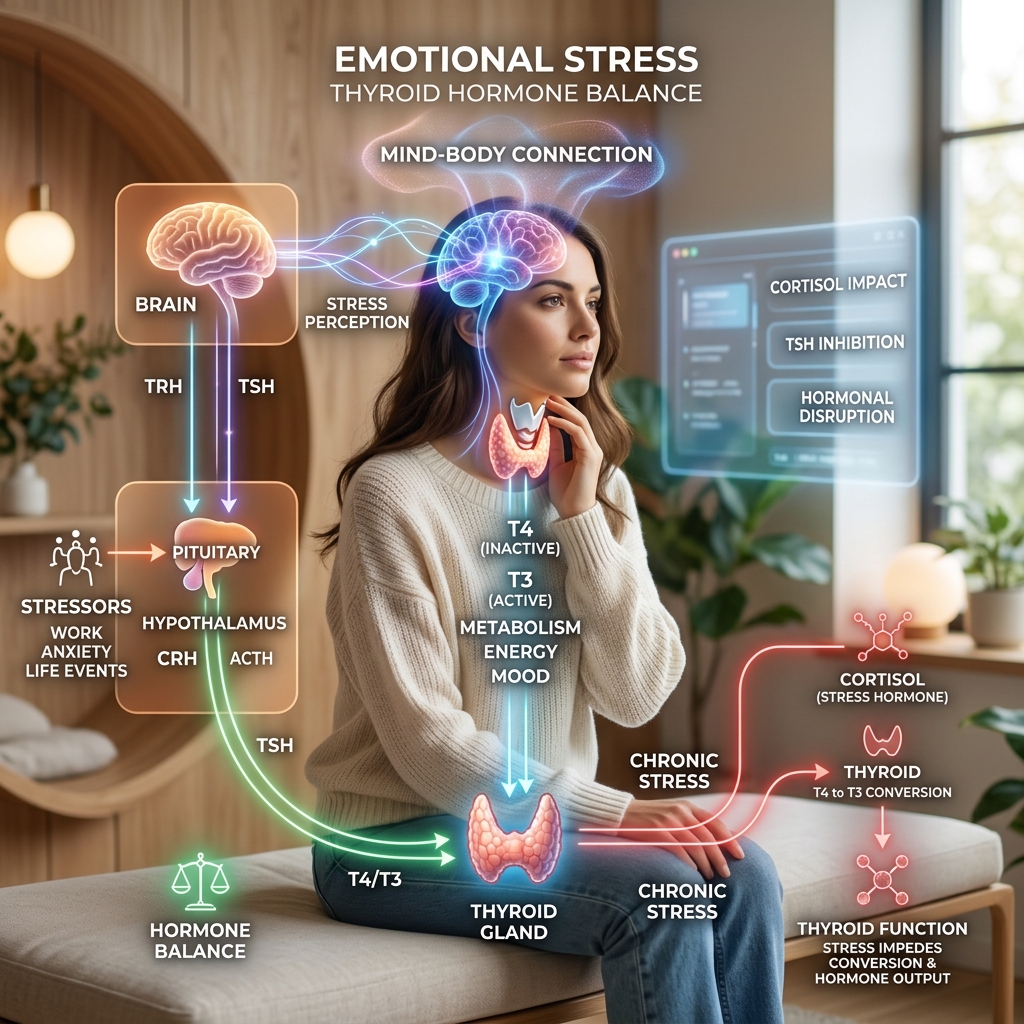
Having high blood pressure can impact emotional health. Some individuals experience:
Can Stress Cause High Blood Pressure?
Stress can temporarily raise your blood pressure. This is due to the normal stress response of the body. Stress hormones, such as adrenaline, can increase your heart rate, and can cause blood vessels to narrow for a short time during stressful moments. This may lead to a temporary increase in blood pressure.
It is not so with long-term high blood pressure. It typically is associated with numerous causes. Long-term high blood pressure is usually not the only result of stress. Nevertheless, it may impact lifestyle habits, and lifestyle habits may have an impact on heart health.
Common Signs You Should Not Ignore
Most people with high blood pressure do not experience any obvious symptoms. If blood pressure gets dangerously high, you might have:
They should always be taken seriously and should be examined sooner rather than later.
If you have any of the following symptoms that suddenly develop, get urgent emergency medical help: having severe chest pain, suddenly not being able to breathe, suddenly not being able to move or feel any sensation in one arm, leg or one side of the body, becoming unable to speak, suddenly losing the sight of one eye or one side of vision, have severe confusion, lose consciousness or have a seizure, or have very high blood pressure and other concerning symptoms.
Our Stress & High Blood Pressure Assessment Process
At Manovaidya, our assessment process explores how emotional wellbeing, lifestyle, sleep and overall health may be connected. We also encourage proper medical evaluation and ongoing care wherever needed.
1. Understanding Your Health Journey
Every consultations start with a thorough listening to your health concerns. We talk about your past blood pressure readings, recent readings, medications, family history, emotional well-being, stress, sleep, diet, activity, routine and previous investigations.
2. Comprehensive Mind-Body Assessment
We have a structured assessment that will examine factors that might impact overall cardiovascular wellbeing, such as emotional wellbeing, stress patterns, quality of sleep, lifestyle habits, nutrition, physical activity, work-life balance, behavioural patterns, daily routine, and overall quality of life.
3. Understanding Your Wellbeing Profile
Following the assessment, we simplify and explain our observations in a practical and easy-to-understand manner. We will aim to enable people to make informed healthcare decisions by providing information on the relationship between emotional wellbeing, lifestyle and cardiovascular health.
The Neuro-Ayurveda Development System
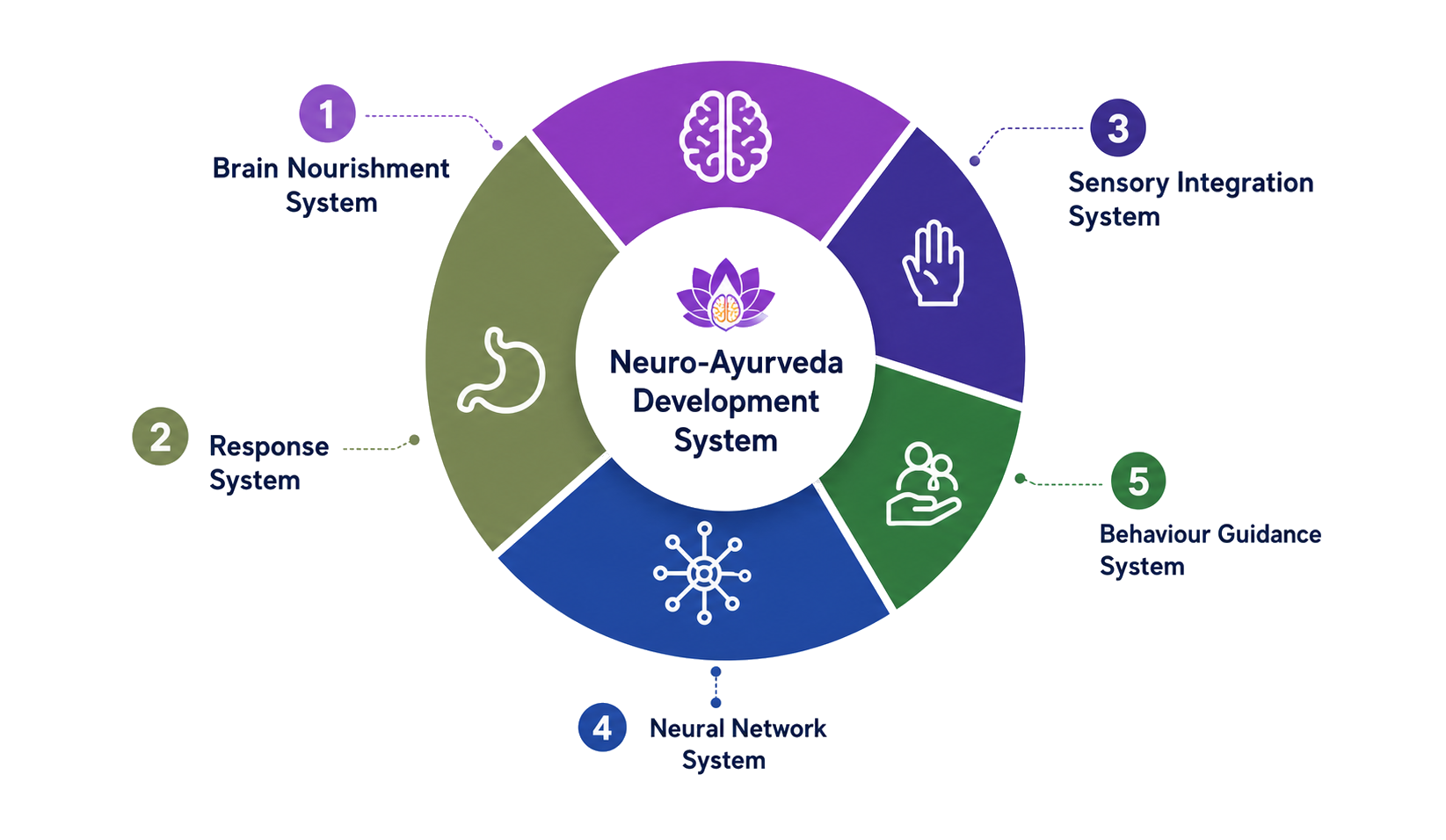
At Manovaidya, we know about mind-body health in terms of Neuro-Ayurveda Development System. A comprehensive five-pillar approach that encompasses brain health, gut health, behaviour, lifestyle and emotional wellbeing. This approach is not solely about blood pressure readings, but it's about the bigger picture that impacts overall health and wellbeing over the long term.
1. Brain Nourishment System
Supporting healthy brain function benefits in: Emotional balance, Stress resilience, Mental clarity, Healthy sleep, Cognitive wellbeing, Overall quality of life. Supporting emotional wellbeing can help individuals react to their stress in a healthier manner in the face of everyday stressors.
2. Gut Response System
Gastrointestinal health and nutrition are significant to general health. This pillar is about: Healthy eating habits, Gut-brain communication, Digestive wellbeing, Nutrition patterns, Lifestyle influences.
3. Neural Network System
The brain is constantly molding and changing because of its learning and life experiences. This pillar is about strengthening the following: Emotional resilience, Healthy thinking patterns, Behavioural awareness, Stress management, Cognitive flexibility.
4. Sensory Integration System
Emotional wellbeing can be affected by the environment and lifestyle. This pillar takes into account Recovery, Relaxation, Environmental stress, Daily balance, Healthy routines.
5. Behaviour Guidance System
Good habits are beneficial to heart health and emotional health in the long term. The emphasis of this pillar is on: Healthy daily habits, Awareness of behaviour, Lifestyle change, Stress management, Sustainable habit formation.
How we support individuals concerned about stress & High Blood Pressure
Each person's health story is different. Manovaidya is a place of support tailored to the emotional wellness, way of life and health concerns of each person.
Supporting Healthy Blood Pressure

Everyday healthy behaviors are important to the wellbeing of the cardiovascular system. These may include:
Any lifestyle changes should be added to, rather than taken in place of, suitable medical treatment.
Why People Across India Choose Manovaidya
People and families from Delhi, Noida, Gurgaon, Faridabad, Ghaziabad and from all over the country select Manovaidya due to our holistic approach of mind-body health.
People from Delhi, Noida, Gurgaon, Faridabad, Ghaziabad and all over India approach Manovaidya to understand the link between stress, emotional well-being and blood pressure and get a detailed structured assessment and customized lifestyle advice.
A customized long term well being program.
About Dr. Ankush Garg
Dr Ankush Garg is the Founder of Manovaidya and developer of Neuro-Ayurveda Development System.
His research is on the connection between emotional health and wellness, lifestyle, brain and mind-body wellness. Using structured assessment, individual guidance and follow-up, he will help people to appreciate how stress and everyday practices could affect their health.
Dr. Ankush Garg is located in Delhi NCR and offers Mind – Body Health Assessments to educate a person about how emotional well being is connected to lifestyle and cardiovascular well being via Neuro-Ayurveda Development System. He sees patients online and in his clinic throughout India.
Frequently Asked Questions (FAQs)
Concerned About Stress and High Blood Pressure?
Book a structured Stress & High Blood Pressure Assessment with Manovaidya to better understand the relationship between emotional wellbeing, lifestyle, cardiovascular health and blood pressure while receiving personalised guidance.