-CrYNDrPl.png)
Senior Memory Care
Memory Loss & Forgetfulness Treatment for Seniors in India
Helping Seniors Understand Memory Changes, Forgetfulness & Cognitive Wellbeing


Senior Memory Care
Key Takeaways
- Understanding Memory Loss and Forgetfulness
- Normal Ageing vs Memory Loss
- Mild Cognitive Impairment and Dementia
- Common Memory Loss Warning Signs
- Causes of Memory Changes
- Impact on Daily Independence
- Supporting Healthy Brain Ageing
- Neuro-Ayurveda Approach to Brain Health
- Manovaidya Assessment and Support Process
- When Professional Memory Assessment Matters
- FAQs About Memory Loss
Want more content like this?
Join our senior brain health newsletter for care tips from our experts.
Your privacy is important to us.
Senior Memory Care
This course teaches seniors how to prevent or slow the effects of memory loss, forgetfulness and cognitive changes.
With increasing age, forgetfulness is a frequent worry. From time to time you can misplace your keys, forget a familiar name for a moment or enter a room and forget why. Memory loss may be a normal part of aging, but if it occurs often or gets worse, it should be a cause for concern and not ignored.
Memory changes may impact confidence and independence and daily activities. Older adults may experience some forgetfulness, asking the same questions and forgetting appointments, not taking medications or forgetting about recent conversations. Changes are usually first identified by family members and may be due to old age, or they could be a sign of a more serious problem.
It is essential to realize that memory loss can have a lot of causes. There are some underlying causes that can be temporary or reversible, e.g. inadequate sleep, stress, depression, deficiencies in vitamins or side effects of medicines. Others may be associated with conditions such as Mild Cognitive Impairment (MCI), dementia or Alzheimer's disease. It's crucial to have a proper medical evaluation to see what is causing the condition before making any conclusions.
Many seniors think that they have Alzheimer's disease if they have any memory loss. In fact, forgetfulness doesn't necessarily mean dementia and dementia does not always mean Alzheimer's disease. Knowing the differences can assist families to find the right advice without unnecessary worry.
Healthy ageing is more than just about maintaining memory, at Manovaidya we know that. Cognitive wellbeing in later life is influenced by brain health, emotional wellbeing, lifestyle, sleep and nutrition and daily routines.
Under the Neuro-Ayurveda Development System, led by Dr. Ankush Garg, Autism, ADHD, Child Development & Mental Health Specialist in India, Manovaidya focuses on assisting families to gain insight into the effects of memory changes, cognitive health and factors for healthy ageing in a senior.
At Manovaidya, Memory Loss & Forgetfulness Treatment Focuses On:
Memory Loss
Forgetfulness
Mild Memory Changes
Age-Related Memory Decline
Cognitive Wellbeing
Dementia Awareness
Alzheimer's Awareness
Healthy Brain Ageing
Book a Memory Assessment
Learn the first step in understanding change in memory, forgetfulness and cognitive wellbeing in a structured assessment and personalised guidance process.
Understanding Memory Loss & Forgetfulness
Memory is vital to everyday life. It can assist us to remember names, recognize people's faces, to learn more, to carry out our daily activities and to connect with family members and our friends.
The brain naturally changes as people get older. Throughout the years, many seniors will find that it takes them a little longer to remember things compared to what it once took them. A few occasional forgetfulnesses are not necessarily a medical problem and are a normal part of life.
If memory loss is becoming more common, is causing difficulty with everyday life or is getting worse over time, however, it should be assessed by a healthcare professional who is well trained.
A lot of families are seeking Memory loss treatment in India, Forgetfulness in Senior, Memory problems in elderly people or healthy brain ageing are seeking trustworthy information to understand these changes.
Knowing about the difference between normal ageing and more serious memory problems makes it easier for families to make decisions and if they need some help, to get it.
Many families begin to have concerns when a senior:
Forgets recent conversations
Restates questions
Fails to take medications or keep appointments
Misplaces familiar objects
Has trouble keeping up with daily activities.
Becomes less confident because of memory loss
It is crucial to be able to distinguish between forgetfulness and memory loss.
Normal Age-Related Forgetfulness
There are some things that healthy older adults may sometimes do:
If you can't remember a name, but remember it later.
Lose everyday things from time to time.
Requires reminders for appointments.
Take longer to learn new technology.
Don't remember why they went inside a room for a brief period.
These changes typically are not very significant to independence or daily functioning.
Memory Loss That Needs Attention
If a person starts some of the following, then it may be time to have their memory assessed:
Repeatedly ask the same questions.
Forget important appointments despite reminders.
Frequently lose familiar objects.
Forget recently learned information.
Become confused in familiar places.
Struggle to follow conversations.
Have difficulty completing routine tasks.
While these symptoms are not necessarily indicative of dementia they should be evaluated by a professional.
Mild Cognitive Impairment (MCI)
Others older adults have changes in memory that are more than what is expected for normal ageing, but not severe enough that it has a significant impact on their ability to be independent in their daily lives.
This stage can sometimes be called the mild cognitive impairment (MCI) stage.
The course of MCI is variable for some people; some people stay stable for many years, some get better, depending on the cause of the MCI, and some progress to more severe cognitive problems as time goes on. It is important to have regular medical follow-up to check for these changes.
Dementia & Alzheimer's Disease Awareness
The dementia is not a single disease. A blanket term used to refer to a family of disorders involving memory, thinking, communication and functioning in daily life.
Although the most common cause of dementia is Alzheimer's disease, there are other causes.
There are other conditions which can also cause memory loss and thorough medical evaluation is crucial to diagnosis.
Knowing the differences can help to minimise unhelpful anxiety and to prompt early assessment.
Common Signs & Symptoms of Memory Loss
Memory may impact other areas of functioning in everyday life.
Memory Symptoms
A variety of seniors may have:
Forgetting names
Misplacing belongings
Repeating questions
Forgetting appointments
Forgetting recent conversations
Trouble learning new things
Cognitive Symptoms
Some individuals notice:
Difficulty concentrating
Slower thinking
Confusion
Difficulty planning tasks
Trouble learning new information
Behavioural Symptoms
Some seniors become:
Frustrated
Irritable
Less confident
Socially withdrawn
Hesitant to participate in conversations
Daily Life Changes
As memory problems worsen, some people find it hard to do every day tasks, like:
Managing medications
Paying bills
Remembering important dates
Following recipes
Managing finances
Keeping appointments
The behavioural changes that often occur are a result of people realising they are having memory problems.
The more difficult these activities get, the more important it is to be assessed professionally.
What Causes Memory Loss?
There are numerous causes of memory loss.
Not all causes are permanent and not all memory problems are linked to dementia.
Some common causes include:
Normal Ageing
As we have older brains, small changes in memory can happen naturally.
Poor Sleep
Sleep disorders over a longer period can affect concentration and memory.
Chronic Stress
Stress can impact attention, learning and memory.
Depression
Older people may develop depression that can sometimes lead to problems with concentration and memory that can be mistaken for memory loss.
Vitamin Deficiencies
Some individuals may have low levels of certain vitamins that can lead to memory loss.
Medication Side Effects
Some medications may affect alertness, concentration or memory.
Thyroid Disorders
Both an underactive and overweight thyroid may affect memory and thinking.
Mild Cognitive Impairment (MCI)
MCI can lead to changes in memory that are obvious to the person and others, but the person is still basically independent.
Dementia
There are different types of dementia that can involve memory, thinking and functioning in daily life.
Alzheimer's Disease
One of the possible causes of progressive memory loss is Alzheimer's disease and it is important that it is diagnosed and managed correctly.
Why Early Understanding Matters
It's often believed that loss of memory is a natural occurrence as a person ages.
It's normal to forget things as you grow older, but if memory loss gets worse or becomes very bad, it can't be ignored.
Early assessment can support in identifying treatable causes, and can help guide and support individuals and families in planning for healthy ageing and cognitive wellbeing.
How Memory Changes Can Affect Daily Life
Memory can change in more than just how you remember things. They can over time affect confidence, independence, relationships and quality of life in general.
Some seniors can still perform daily tasks with occasional reminders, but others start to have more problems with everyday tasks. Often families will notice these changes over a period of time and become worried about their loved one's safety and wellbeing.
Memory changes and their impact on everyday life can be understood so that individuals and caregivers are aware if they think extra support or professional assessment would be beneficial.
Independence
Being able to live independently is a key aspect of healthy ageing for many older people. As memory starts to get worse, some seniors may struggle with:
Remember appointments
Take medicines when prescribed
Manage household tasks
Follow daily routines
Organise important documents
Be aware of personal property
Emotional Wellbeing
Emotions can be affected by memory problems, just as much as thinking. Many seniors experience:
Frustration
Embarrassment
Anxiety about forgetting things
Reduced confidence
Worry about becoming dependent
Fear of developing dementia [3]
Relationships
Memory loss can affect family dynamics. Some families report that their loved one:
Reads the same stories over and over
Forgets recent conversations
Becomes easily frustrated
Needs frequent reminders
Misunderstands situations
Withdraws from family activities
Daily Activities
With the decline in memory, daily activities can become more difficult. Some seniors have problems with:
Shopping independently
Cooking meals
Managing finances
Remembering important dates
After TV shows or reading books
Learning new technology
Safety
Difficulty with memory can also impact personal safety. If an older person starts to:
Forget to switch off appliances
Miss medications
Become confused while travelling
Wander away from familiar places
Forget emergency contact information
When there is a change, patience and compassion towards it can enhance communication and minimize needless conflict.
Early recognition of such changes will enable families to offer the right support and promote as much independence as possible.
Not all of these situations are signs of dementia, but should be explored with a health care professional.
The Neuro-Ayurveda Approach to Healthy Brain Ageing
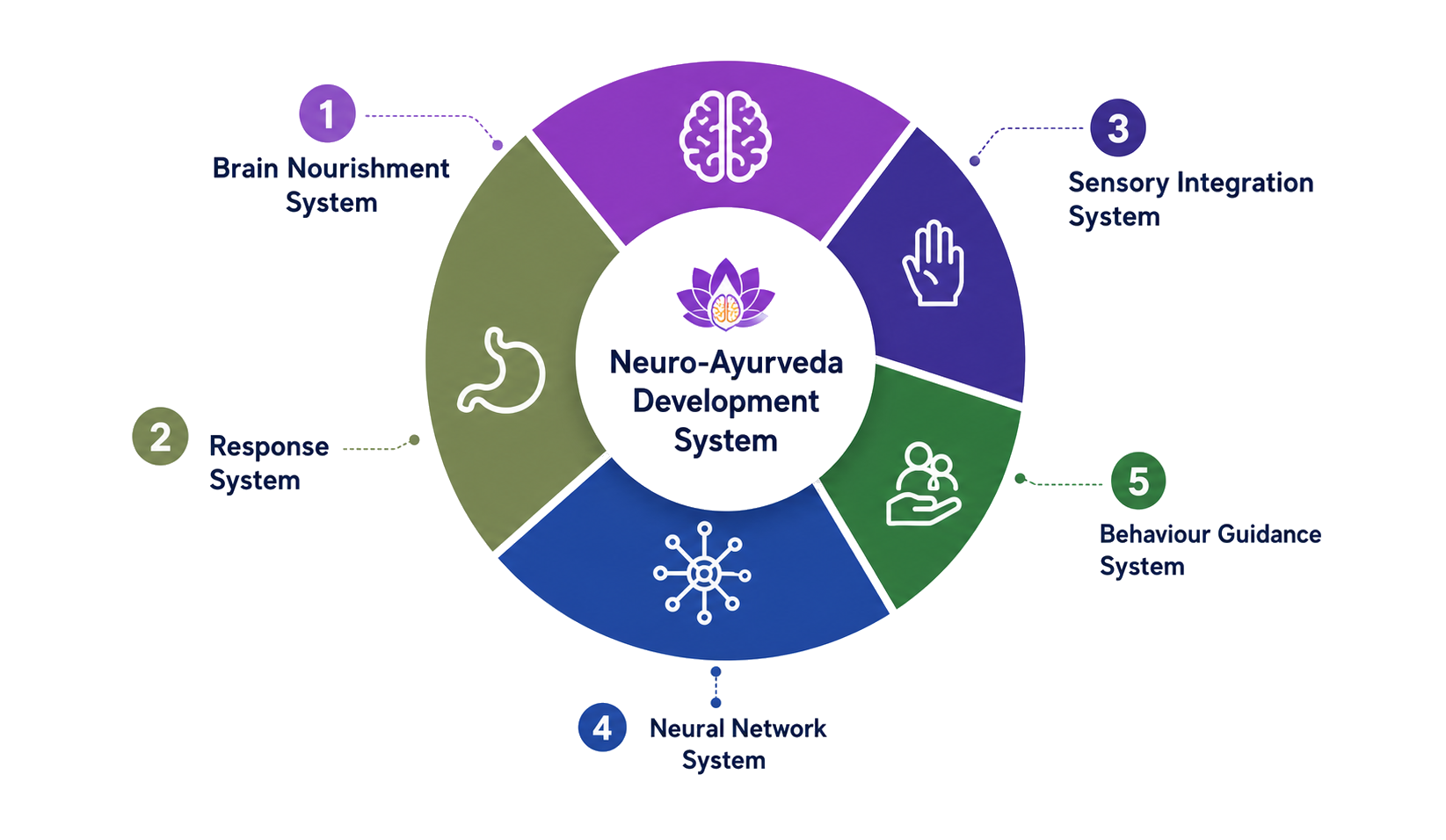
Healthy brain ageing at Manovaidya is considered as cognitive health, emotional wellbeing, lifestyle habits and physical wellness.
The Neuro-Ayurveda Development System not only considers memory symptoms but also takes into account the wider context that can contribute to cognitive health across the lifespan.
While you can't prevent aging, healthy lifestyle choices can help keep the brain functioning properly and promote cognitive wellbeing.
Stay Mentally Active
Activities such as reading, puzzles, learning new skills, writing, playing board games or solving simple memory exercises may help keep the brain engaged.
Engage in regular exercise
Walking, stretching, and age-appropriate exercises, such as yoga, can help improve blood circulation, physical health and overall wellbeing.
Prioritise Healthy Sleep
Sleep is a crucial component to memory, attention and emotional control.
Eat a Balanced Diet
Balanced meals with fruits, vegetables, whole grain foods, healthy fats and sufficient protein promote health and healthy ageing.
Stay Socially Connected
Regular communication with family and friends, and community groups helps to reduce loneliness and stimulate the mind.
Manage Stress
Relaxation techniques, meditation and pleasurable pastimes and social engagement can help with emotional well-being.
Seek Medical Evaluation for Memory Changes
Memory loss can occur for various reasons and if it gets worse or continues for more than one month, it is always best to seek advice from a healthcare professional.
How Manovaidya Supports Seniors
We have a structured process which involves:
Step 1: Comprehensive Assessment
Knowledge of issues related to memory, emotional well-being, lifestyle habits, sleep quality, nutrition and daily functioning.
Step 2: Personalized Guidance
Making personal recommendations according to the cognitive, emotional and lifestyle requirements of each senior.
Step 3: Brain Health & Emotional Wellbeing Support
Supporting seniors and families to understand memory changes and healthy routines and practical strategies to manage day to day living.
Step 4: Neuro-Ayurveda Development System
Using the 5-pillar approach to understanding cognitive wellbeing, emotional health, behaviour, lifestyle and healthy ageing.
Step 5: Progress Tracking & Family Guidance
Establishing a roadmap and helping seniors and caregivers track changes, build healthy habits and promote lifelong wellness.
When to Seek Professional Advice?
You should consider seeking professional guidance if a senior:
Frequently forgets recent conversations
Repeats the same questions many times
Fails to find familiar locations
Medication and financial problems
Experiences increasing confusion
Shows noticeable changes in behaviour or personality
Has memory problems that interfere with daily independence
A systematic evaluation may be useful in determining potential causes and in guiding further action. The changes in memory may be caused by a number of different factors, so early evaluation is essential to get a handle on the person's needs.
To educate and support the families and the seniors to understand memory changes, promote good brain ageing and enhance the quality of life by providing compassionate and personalized care.
Why Families Across India Choose Manovaidya
A change in memory may impact the whole family as a whole, particularly in older persons. Small changes may be seen by children, a spouse and carers before the senior can see them, which can raise issues regarding their independence, safety and wellbeing.
The changes in memory will be different for each senior at Manovaidya. There are people who suffer from forgetfulness due to old age and others who may have medical problems necessitating assessment and appropriate care. We take the time to consider the individual person rather than assuming from memory symptoms alone.
Our structured assessment process, the personalised guidance provided in their care and our holistic approach is to ensure that seniors and their families can live their lives to the full with dignity, independence and quality.
Comprehensive Memory & Cognitive Assessment
The concerns of each senior are unique when it comes to their memories. Some older people may also see a worsening of forgetfulness, problems with recent memory, confusion in everyday life, asking the same questions again and again, trouble taking care of their medications, behavioral changes, loss of self-confidence and emotional strain due to memory loss.
Memory concerns
Daily functioning
Emotional wellbeing
Sleep quality
Lifestyle habits
Nutrition
Family support
Personal goals
Neuro-Ayurveda Development System
Manovaidya is based on the Neuro-Ayurveda Development System, a framework that is structured and recognizes healthy brain ageing by five pillars.
Brain Nourishment System
Gut Response System
Neural Network System
Sensory Integration System
Behaviour Guidance System
Personalized Guidance
Changes to memory are different for every senior. Recommendations are tailored to memory issues, emotional health, lifestyle, sleep quality, routine, medical history and personal goals.
Memory concerns
Emotional wellbeing
Lifestyle
Sleep quality
Daily routine
Medical history
Personal goals
Holistic Brain Health Perspective
Healthy ageing is more than just about memory. Our approach factors in the interplay between brain health, emotional wellbeing, nutrition, lifestyle practices, sleep and physical activity and social engagement to bring a holistic perspective to cognitive wellbeing in older years.
Brain health
Emotional wellbeing
Nutrition
Lifestyle habits
Sleep quality
Physical activity
Social engagement
Focus on Healthy Ageing
We don't just focus on memory issues, our aim is to help your senior remain independent, stay cognitively well and care for their healthy ageing through practical lifestyle advice and care.
Independence
Cognitive wellbeing
Healthy ageing
Practical lifestyle guidance
Ongoing care
Ongoing Support & Family Guidance
Families are an important part of assisting seniors who have memory problems. Follow-up and structured progress tracking support senior and caregiver understanding of changes, and develop healthy routines and informed decision-making as needs shift over time.
Regular follow-up
Structured progress tracking
Caregiver guidance
Healthy routines
Informed decisions
Why Families Across India Trust Manovaidya
Delhi, Noida, Gurgaon, Faridabad, Ghaziabad and every other city across India’s borders reach out to Manovaidya for Memory Loss & Forgetfulness Treatment, Healthy Brain Ageing Guidance, Senior Mental Health Support, and more in both online and in-clinic sessions.
Why Trust Manovaidya?
Structured Neuro-Ayurveda Development System
Personalized Assessment Before Recommendations
Senior-Focused Holistic Care
Online & In-Clinic Consultations Across India
Guidance by Dr. Ankush Garg
Family-Centred Support
Focus on Healthy Brain Ageing & Cognitive Wellbeing
About Dr. Ankush Garg
Dr. Ankush Garg
Autism, ADHD, Child Development & Mental Health Specialist in India
Dr. Ankush Garg is the Founder of Manovaidya and the Developer of the Neuro-Ayurveda Development System.
His work extends across Child Development, Adult Mental Health and Senior Mental Health with a strong focus on understanding the relationship between brain health, emotional wellbeing and overall quality of life.
Many families seek guidance when an older loved one begins experiencing forgetfulness, memory changes or cognitive concerns. Through structured assessment, personalised guidance, lifestyle recommendations and continuous follow-up, Dr. Ankush Garg helps seniors and families better understand memory-related concerns while supporting healthy brain ageing through the Neuro-Ayurveda Development System.
Based in Delhi NCR, Dr. Ankush Garg supports seniors and families across India through structured assessment, personalised guidance and holistic mental health care.
Based in Delhi NCR, Dr. Ankush Garg supports seniors and families across India through structured assessment, personalized guidance and the Neuro-Ayurveda Development System.
Frequently Asked Questions
A host of factors can cause memory loss in older people. Although some forgetfulness can be a normal part of the ageing process, a variety of other conditions can be linked to memory loss, including poor sleep, stress, depression, vitamin deficiencies, thyroid disorders, side effects from medications, Mild Cognitive Impairment (MCI), dementia and Alzheimer's disease. Symptoms can be the same for various types of conditions, so it is important to get a proper medical exam to determine the cause.
Book a Consultation
Book a Consultation
Support Healthy Brain Ageing With the Right Guidance
Book a structured assessment and personalized guidance session with the Manovaidya team.
Concerned About Memory Changes in Yourself or a Loved One?
Understanding the cause is an important first step, if forgetfulness, memory loss or thinking changes have begun to impact daily life, independence or family wellbeing.
Here at Manovaidya we provide a structured assessment, give personal guidance and implement the 'Neuro-Ayurveda Development System' to help seniors and families better understand memory changes.
Book Your Assessment Today
Book Consultation
Speak With Our Team
Get Personalized Guidance
The treatment is for Memory Loss & Forgetfulness.
Guidance on healthy brain ageing.
Help your brain age healthily with the right guidance
Manovaidya Clinic
Noida, Uttar Pradesh, India