-CrYNDrPl.png)
Stress & Burnout Support
Stress & Burnout Support in India
Helping Adults Better Understand Chronic Stress, Workplace Burnout, Emotional Exhaustion & Mental Wellbeing

Stress & Burnout Support
Key Takeaways
- Understanding Stress & Burnout
- Temporary Stress vs Chronic Stress
- Common Signs & Symptoms of Burnout
- Causes and Contributing Factors
- Impact on Emotional & Physical Wellbeing
- Sleep, Recovery & Work Performance
- Effects on Relationships and Confidence
- Managing Stress & Preventing Burnout
- Neuro-Ayurveda Approach to Stress
- Personalized Burnout Support & Guidance
- Manovaidya Assessment & Support Process
- FAQs About Stress & Burnout
Want more content like this?
Join our adult mental wellness newsletter for stress, burnout and emotional wellbeing guidance.
Your privacy is important to us.
Stress & Burnout Support in India

Helping Adults Better Understand Chronic Stress, Workplace Burnout, Emotional Exhaustion & Mental Wellbeing
It's ok to experience stress at times. Temporary stresses are caused by deadlines, family duties, financial obligations, or unforeseen problems. In many cases, this stress is eased as soon as things change or the challenge is overcome.
For others, however, prolonged stress for weeks or months without sufficient recuperation can start to impact emotional wellbeing, physical health, relationships, work productivity and quality of life. Though, for some, it may begin to affect emotional wellbeing, physical health, relationships, work productivity and overall quality of life even after resting. This extended condition can be called burnout.
Chronic stress or burnout don't stop many adults from doing what they need to do on a day-to-day basis. These shifts typically come in steps and are not noticed until they start to impact more than one aspect of people's lives.
Stress and burnout aren't just a matter of working too hard at Manovaidya. There are many interconnected factors that affect emotional wellbeing such as lifestyle, sleep, emotional health, daily routines, work demands and mind-body balance in general.
Autism, ADHD, Mental Health, Child Development Specialist in India, Dr. Ankush Garg follows the Neuro-Ayurveda Development System where he helps people understand the factors that impact long-term mental health and chronic stress and emotional burn out.
At Manovaidya, Stress & Burnout Support Focuses On:
Chronic Stress
Workplace Burnout
Mental Exhaustion
Emotional Fatigue
Work-Life Balance
Emotional Wellbeing & Mind-Body Balance
Stress and burnout are often used interchangeably, but they are not the same.
What is Stress?
Stress is your body's normal reaction to challenges or demands. Short-term stress has a positive effect on focus, motivation and performance in certain situations. After the circumstance is over, stress will generally decrease and the body will start to heal itself.
Examples include:
Preparing for an important presentation
Meeting work deadlines
Managing family responsibilities
Facing temporary financial pressure
What is Chronic Stress?
If stress cannot be managed and occurs over long periods of time without recovery, stress can become chronic.
The mind and body are continually challenged rather than restored to balance.
Repeated exposure to stress can lead to emotional health, disruption of sleep, difficulty focusing, physical health problems and relationship issues.
What is Burnout?
Burnout is a condition of physical, emotional and mental fatigue that can occur from the effects of chronic stress over extended periods of time.
People experiencing burnout often describe feeling:
Emotionally drained
Mentally exhausted
Unmotivated
Disconnected from work or responsibilities
Unable to recover even after rest
Burnout does not happen overnight. It usually develops gradually when stress continues without sufficient recovery, healthy routines or emotional support.
Many adults searching for Stress Support in India, Burnout Support, Workplace Burnout or Chronic Stress are looking for answers because they have noticed persistent exhaustion that is affecting their daily lives.
Understanding the difference between temporary stress and long-term burnout is an important step towards choosing appropriate support.
Common Signs & Symptoms of Stress & Burnout

Emotions, thoughts, behaviour and physical wellbeing can be impacted by stress and burnout.
The symptoms may vary from person to person depending on individual circumstances.
Emotional Symptoms
Feeling overwhelmed
Irritability
Constant worry
Emotional exhaustion
Reduced enthusiasm
Feeling emotionally disconnected
Low patience
Physical Symptoms
Constant fatigue
Low energy
Frequent headaches
Muscle tension
Poor sleep
Digestive discomfort
Body aches
Cognitive Symptoms
Difficulty concentrating
Brain fog
Forgetfulness
Poor decision-making
Racing thoughts
Reduced creativity
Behavioural Symptoms
Reduced productivity
Procrastination
Social withdrawal
Loss of motivation
Difficulty maintaining routines
Reduced engagement with work or family
Experiencing occasional stress does not necessarily indicate burnout. If these symptoms continue for a few weeks or start to interfere with living normal lives, relationships or work, however, it is worth considering professional advice, though.
What Causes Stress & Burnout?
Burnout and stress often occur due to a combination of factors, not just one single cause.
Knowing about these influences enables people to have a wider understanding about their emotional wellbeing.
Workplace Pressure
Stress can be ongoing due to the heavy workload, unrealistic deadlines, long hours of work and lack of recovery time.
Business Responsibilities
Financial planning, team management, decision making, and long term growth are all things that business owners must balance, and can be constantly stressful.
Financial Concerns
Over time, emotional stress can grow due to debt, uncertainty of employment, rising costs, etc.
Parenting & Caregiving
Having to care for children, elderly parents or family members can be emotionally challenging when coupled with work obligations.
Relationship Challenges
Current family issues, communication problems or personal relationship issues could have an impact on emotional wellbeing.
Digital Overload
Persistent notifications, social media, emails and communication for work may limit opportunities for mental recovery.
Lifestyle Imbalance
Poor sleep, irregular meals, lack of physical activity and limited relaxation time may diminish emotional resilience and intensify the stress.
Major Life Changes
Long-lasting emotional stress can be caused by relocation, career changes, marriage, divorce, or serious life changes like illness.
Many adults think that it's a normal part of life to feel tired all the time. But stress and burnout that continues need to be addressed, particularly if it is disrupting your physical health, emotional well-being or functioning in daily life.
Why Early Understanding Matters
Stress can start as a short-term reaction, but can become chronic or burnout if the body continues to not recover.
Identifying, early on, the emotional, physical and behavioural shifts enables people to make better choices and find help before the stress catches them out in several aspects of life.
How Chronic Stress & Burnout Can Affect Your Health
Stress is more than an emotional moment. If it persists over a long period of time without recovery, it can slowly affect emotional health, physical health, relationships, job function, and quality of life.
Even though many grow weary, many adult workers make the assumption that constant stress is an inevitable part of our modern existence. But chronic stress and burnout can impact many facets of life and shouldn't be disregarded.
Emotional Wellbeing
Long-term stress may gradually reduce emotional resilience and make everyday situations feel more overwhelming.
Chronic stress can manifest in adults in many ways, and many say they experience:
Feeling emotionally exhausted
Constant irritability
Increased frustration
Feeling overwhelmed
Difficulty relaxing
Reduced enjoyment in everyday life
If you feel more and more drained, light tasks like going to work may also become challenging.
Physical Wellbeing
Long-term stress can also have an impact on physical health.
Many individuals experience:
Frequent headaches
Muscle tension
Neck or shoulder pain
Fatigue
Digestive discomfort
Reduced energy
Increased body aches
These symptoms can happen for a number of reasons, but in some cases, a lack of stress can lead to the symptoms persisting.
Sleep & Recovery
Recovery becomes difficult when healthy sleep is affected.
Adults experiencing burnout often notice:
Difficulty falling asleep
Waking during the night
Feeling tired after sleeping
Difficulty switching off racing thoughts
Poor recovery after busy days
Without proper recovery, stress may continue building over time.
Work Performance
Burnout and stress can slowly impact the professional life by diminishing:
Concentration
Productivity
Motivation
Decision-making
Creativity
Job satisfaction
Emotional burnout is often hard to identify until it manifests in diminished performance and is being used to power through work.
Relationships
Stress can also affect your communication with family members, friends and colleagues.
Some individuals become:
Easily irritated
Emotionally distant
Less patient
Less inclined to participate in discussions
Socially withdrawn
Wellbeing in the emotional domain may contribute to better relationship and communication.
Confidence & Decision Making
Long term stress can make people more uncertain and less confident.
Individuals may experience:
Difficulty making decisions
Fear of making mistakes
Reduced confidence
Overthinking
Procrastination
Mental fatigue
Early detection of these signs and symptoms can help people obtain the necessary assistance before they become more serious.
The Neuro-Ayurveda Approach to Stress & Burnout Support
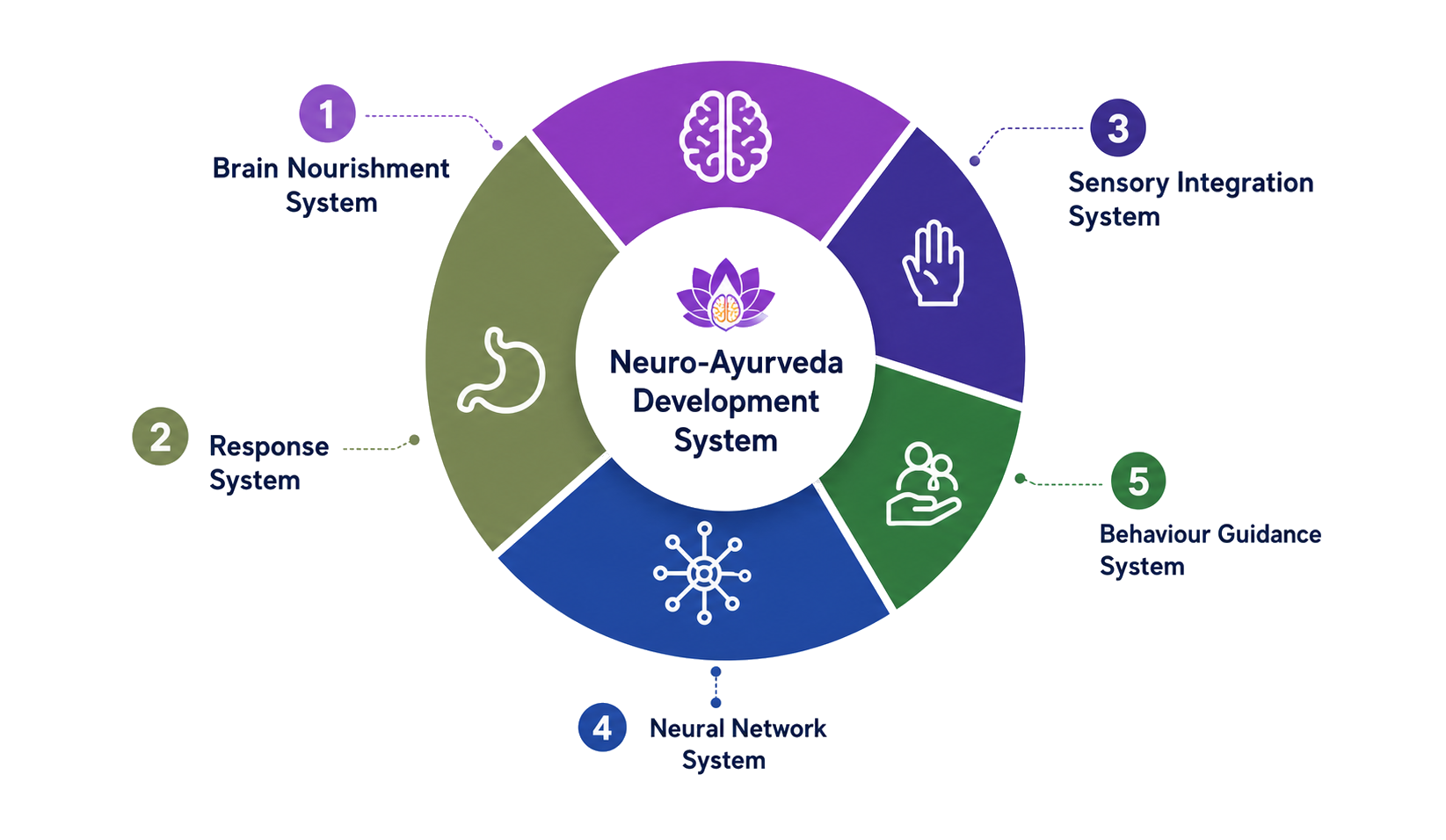
Chronic stress and burnout are perceived at Manovaidya from a broader perspective.
We are not only concerned with symptoms but also with the interrelated factors that impact emotional wellbeing, behaviour, lifestyle and health.
The Neuro-Ayurveda Development System enables people to gain a deeper insight of stress and burnout by leveraging the five interconnected pillars.
Brain Nourishment System
Emotional resilience is essential to health and requires healthy brain functioning.
The Brain Nourishment System teaches about the possible influences on the brain:
Mental clarity
Emotional regulation
Concentration
Decision making
Stress response
Motivation
By providing nourishment to the brain, people can better understand what emotional wellbeing and mental performance are.
Gut Response System
The relationship between gut health and emotional wellbeing is increasingly recognised.
Many adults who are stressed for long periods of time may also experience:
Digestive discomfort
Appetite changes
Low energy
Lifestyle imbalance
Poor recovery
The Gut Response System is about understanding the relationship between physical wellbeing and emotional resiliency and stress management.
Neural Network System
Experiences become repeated, and over time, their thought and behavior patterns take shape.
The Neural Network System is based on comprehension:
Stress responses
Habit formation
Thought patterns
Emotional reactions
Behavioural responses
People can learn to accept and gradually find healthier ways of coping with these patterns.
Sensory Integration System
For adults, there are continuous sources of stimulation such as:
Work demands
Mobile phones
Social media
Emails
Notifications
Constant multitasking
Too much stimulation can decrease opportunities for mental recovery and can lead to emotional fatigue.
A healthier balance in the environment promotes emotional health.
Behaviour Guidance System
Emotional experiences are manifest in behaviours.
When adults are burned out they may see:
Reduced motivation
Procrastination
Social withdrawal
Avoiding responsibilities
Irritability
Difficulty maintaining routines
This pillar is not just about behavior, it is about understanding what factors contribute to these changes, and fostering better behavior patterns.
How Adults Can Better Manage Stress & Prevent Burnout
Small, regular changes to the way a person lives can be an initial step to healthy stress management.
Prioritise Quality Sleep
Well-sleep helps emotions recover, focus and strength.
Create Healthy Daily Routines
Predictable schedules eliminate anxiety and stabilize emotions.Clear schedules help balance emotions and eliminate anxiety.
Maintain Physical Activity
Frequent exercise contributes to physical and emotional health and recovery from the stresses of the day.
Set Healthy Work Boundaries
Regular breaks, avoiding excessive working hours and maintaining a healthy work-life balance may help to lower the risk of burnout.
Stay Connected With Supportive People
Healthy relationships may help increase emotional resilience and help provide support during stressful times.
Practice Regular Self-Care
Relaxation, hobbies, mindfulness and enjoyable activities allow both the mind and body to recover from continuous pressure.
Reduce Digital Overload
Creating screen-free time during the day may reduce mental fatigue and improve overall wellbeing.
How Manovaidya Supports Adults
The approach to support starts with the person not merely on the symptoms of stress at Manovaidya.
Our structured process includes:
Step 1: Comprehensive Assessment
Awareness of emotional wellbeing, work stress, lifestyle habits, sleeping habits, daily routine and personal worries.
Step 2: Personalized Guidance
Offering personalized suggestions to a person's emotional, behavioural and lifestyle requirements.
Step 3: Emotional Wellbeing Support
To inform on chronic stress and its effects, burnout and coping mechanisms in a structured manner
Step 4: Neuro-Ayurveda Development System
Using the five pillar understanding of emotional wellbeing, behaviour, lifestyle and mind-body balance.
Step 5: Progress Tracking & Follow-Up
Establishing a clear action plan to keep people on track and developing a more healthy lifestyle for lasting emotional health.
When Should You Consider an Assessment?
You may consider seeking guidance if you experience:
Persistent stress lasting several weeks or months
Emotional exhaustion
Constant fatigue despite rest
Difficulty concentrating
Reduced motivation
Sleep disturbances
Work stress affecting personal life
Burnout symptoms interfering with daily functioning
A structured assessment can assist in identifying factors that may be contributing to stress, emotional wellbeing and lifestyle, and can create a personalised plan for health and wellbeing in recovery and over the longer term.
The aim of our work is to guide people from emotional exhaustion and chronic stress to emotional balance, clarity of mind, resilience and wellbeing.
About Dr. Ankush Garg

Mental Health & Wellness Specialist
Founder of Manovaidya and Creator of the Neuro-Ayurveda Development System
Know more about Dr. Ankush GargMental Health & Wellness Specialist
Based in Delhi NCR, Dr. Ankush Garg supports adults and families from across India through structured assessment, personalized guidance and the Neuro-Ayurveda Development System.
His work focuses on Adult Mental Health, Women's Emotional Wellbeing, Stress-Related Concerns and Mental Wellness Support. Through Manovaidya, Dr. Ankush Garg combines traditional Ayurvedic understanding with modern insights into emotional wellbeing and cognitive health.
His approach emphasizes root-cause understanding, personalized guidance, and long-term wellness planning to help adults better understand their concerns and move forward with greater clarity, confidence and direction.
Book a Consultation
Book a Consultation
Book Your Consultation with Manovaidya Today
Book Your Consultation with Manovaidya Today
Structured Assessment
Personalized Guidance
Online & In-Clinic Support
Long-Term Emotional Wellbeing
Feeling Constantly Stressed or Emotionally Exhausted?
Book a structured assessment and personalized guidance session with the Manovaidya team to better understand chronic stress, burnout and your emotional wellbeing.
Why Trust Manovaidya?
Structured Neuro-Ayurveda Development System
Personalized Assessment Before Recommendations
Online & In-Clinic Consultations Across India
Holistic Mind-Body Approach
Focus on Long-Term Emotional Wellbeing
Book Your Consultation with Manovaidya Today
Manovaidya Clinic
Noida, Uttar Pradesh, India
Frequently Asked Questions
Early signs of burnout can involve constant tiredness, emotional exhaustion, loss of motivation, difficulty concentrating, irritability and feeling overwhelmed by everyday responsibilities. It is important to note that these symptoms might be the first sign of burnout, and that early intervention in a person's lifestyle and professional advice can help prevent the burn out from getting worse.