-CrYNDrPl.png)
Brain Health
Stress & Headaches Treatment in India
Awareness of how stress, headaches and emotional wellbeing are connected.
Brain Health
Key Takeaways
- Understanding Stress, Headaches & Brain Health
- Stress & Tension-Type Headache Connection
- Common Symptoms of Stress-Related Headaches
- Common Headache Triggers
- Stress, Muscle Tension & Emotional Wellbeing
- Sleep, Screen Time, Posture & Headaches
- Warning Signs That Need Medical Attention
- Healthy Lifestyle Habits for Headache Support
- Stress Management & Healthy Routine Guidance
- Neuro-Ayurveda Development System
- Manovaidya Stress & Headache Assessment Process
- FAQs About Stress & Headaches
Want more content like this?
Join our mind-body health newsletter for stress, headaches and brain health guidance.
Your privacy is important to us.
Understanding Stress & Headaches
Most people get headaches at some time in their lives. They can come for a variety of reasons, but often are associated with tension-type headaches and with headaches that occur frequently during stressful times of daily living.
One might experience headaches again after a heavy work week, after a few nights of insomnia or after a period of emotional stress. Stress doesn't cause all headaches. Head pain can also be caused by dehydration, eye strain, infection, sinus issues, high blood pressure, some medications and other health conditions.
Pay attention to the onset of the headache, as well as what was happening before it and how the body felt at the time, can be helpful in identifying patterns. This knowledge can help make better decisions about your daily life and medical evaluation is still important if symptoms are common, serious or unusual.
When it comes to headache, at Manovaidya, we don't treat it like a sore problem. Emotional health, sleep habits, food habits, work habits and lifestyle, and overall mind/body well-being are viewed as a total package; otherwise, the larger picture is lost.
This is done under the guidance of Dr. Ankush Garg, Mental Health Expert and Founder of Manovaidya. His Neuro-Ayurveda Development System delves into the brain health, behaviour, gut health, lifestyle and emotional wellbeing through five interconnected pillars.
How Are Stress and Headaches Connected?

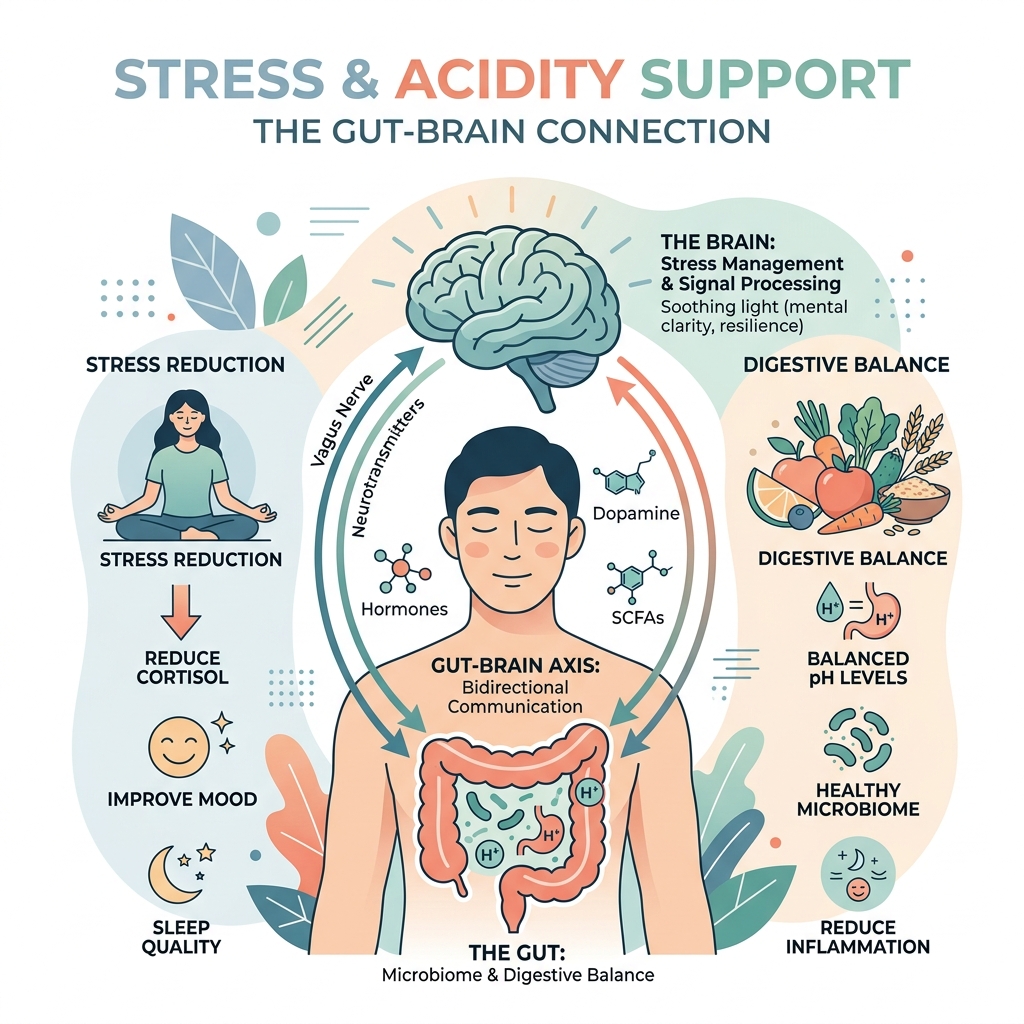
The body enters its ‘stress response’ when someone is under pressure. This can impact on sleep, breathing, posture and relaxation.
This mixture can cause a tension or aggravate an existing tension headache for some individuals.
It can be caused by stress, among other things. The cause of a headache may vary from individual to individual.
Can Stress Cause Headaches?
One of the most common triggers known for tension type headache is stress. Muscles in scalp, neck and shoulders can remain tight for an extended period of time when they are stressed. That tension in some individuals is followed by pressure or ache in the head.
But it is crucial to not call all headaches “stress” headaches. There are many other factors that can cause sleep issues, such as poor sleep, dehydration, extended screen time, eye strain, infections, sinus problems, high blood pressure, and neurological conditions.
The best way is to observe the pattern – when the headache begins, how long it lasts, what it feels like and what else was going on around the time of the headache. This information can help make an informed and accurate assessment and better long-term decisions.
Understanding Tension-Type Headaches
A tight band around the head.
Forehead pressure.
Aching that's not bothersome, but rather just a little uncomfortable.
Compared with migraine, tension-type headaches are less likely to involve severe nausea, a visual aura or strong sensitivity to light and sound. Because headache symptoms can overlap, especially in the early stages, professional evaluation is the safest way to confirm what type of headache a person is experiencing.
Not all stress headaches are created equal.
Any headache that persists and causes pain or is different than normal should be assessed by a physician, not just assumed to be stress related.
Warning Signs You Should Not Ignore
Most headaches are not caused by a medical emergency. However, there are some symptoms which you should never overlook as it can be a sign of something more serious.
Weakness of face, arm or leg.
Fever and a very bad headache.
These are red flags that require an urgent evaluation of emergency. Don't see if they settle.
Why Emotional Wellbeing Matters
Chronic headaches can impact more than just your pain. May alter daily routine including working, resting, socialising and planning.
Attending to emotional health and wellness, along with adhering to appropriate medical guidance and sensible lifestyle steps, can aid in attending to the daily stressors of persistent headaches.Meanwhile, focusing on emotional well-being and taking the necessary medical advice and practical steps can help manage the daily challenges of recurring headaches. When headaches are already starting to interfere with daily life, emotional support along with the right medical treatment can be an important factor in maintaining quality of life.
Our Stress & Headache Assessment Process
Regular headaches may have an impact on concentration, work, sleep, family time and emotional balance. The initial step is to determine the medical cause and it's also beneficial to know if the issue is routine, stress, posture, screen time or sleep.
The assessment at Manovaidya thus involves examining the link between emotional wellbeing, everyday behaviors and headache patterns, rather than just the pain. Personalised guidance is discussed after an understanding of the person's health history, current routine and the circumstances in which headaches tend to occur has been gained.
1. Understanding Your Health Journey
The discussion starts with an in-depth exploration of your headache history and how the issue has impacted your life. Discuss: Your headache history, Frequency and duration of headaches, Pain pattern, Emotional wellbeing, Stress levels, Sleep quality, Work routine, Screen time, Hydration and eating habits, Medical history, and Previous investigations and treatments. These data combined provide a broad overview of the health situation.
2. Comprehensive Mind-Body Assessment
The second section of the assessment examines some areas which can be related to chronic headaches. These include: Emotional wellbeing, Stress patterns, Sleep quality, Lifestyle habits, Screen exposure, Work-life balance, Hydration, Nutrition, Physical activity and Overall quality of life. When you see these areas together, you can see the practical patterns—such as noticing that headaches tend to occur after a long period of screen time, after not eating or drinking enough, or after an unusually stressful day.
3. Understanding Your Wellbeing Profile
The observations are explained in clear everyday language once the assessment is completed. This encompasses: Emotional wellbeing profile, Lifestyle influences, Stress patterns, Sleep observations, Daily routine analysis, Personalised guidance and Practical next steps. The goal is to help the person understand the relationship between emotional health, lifestyle and headache patterns, and make subsequent health care decisions with a more comprehensive understanding of the problem.
The Neuro-Ayurveda Development System
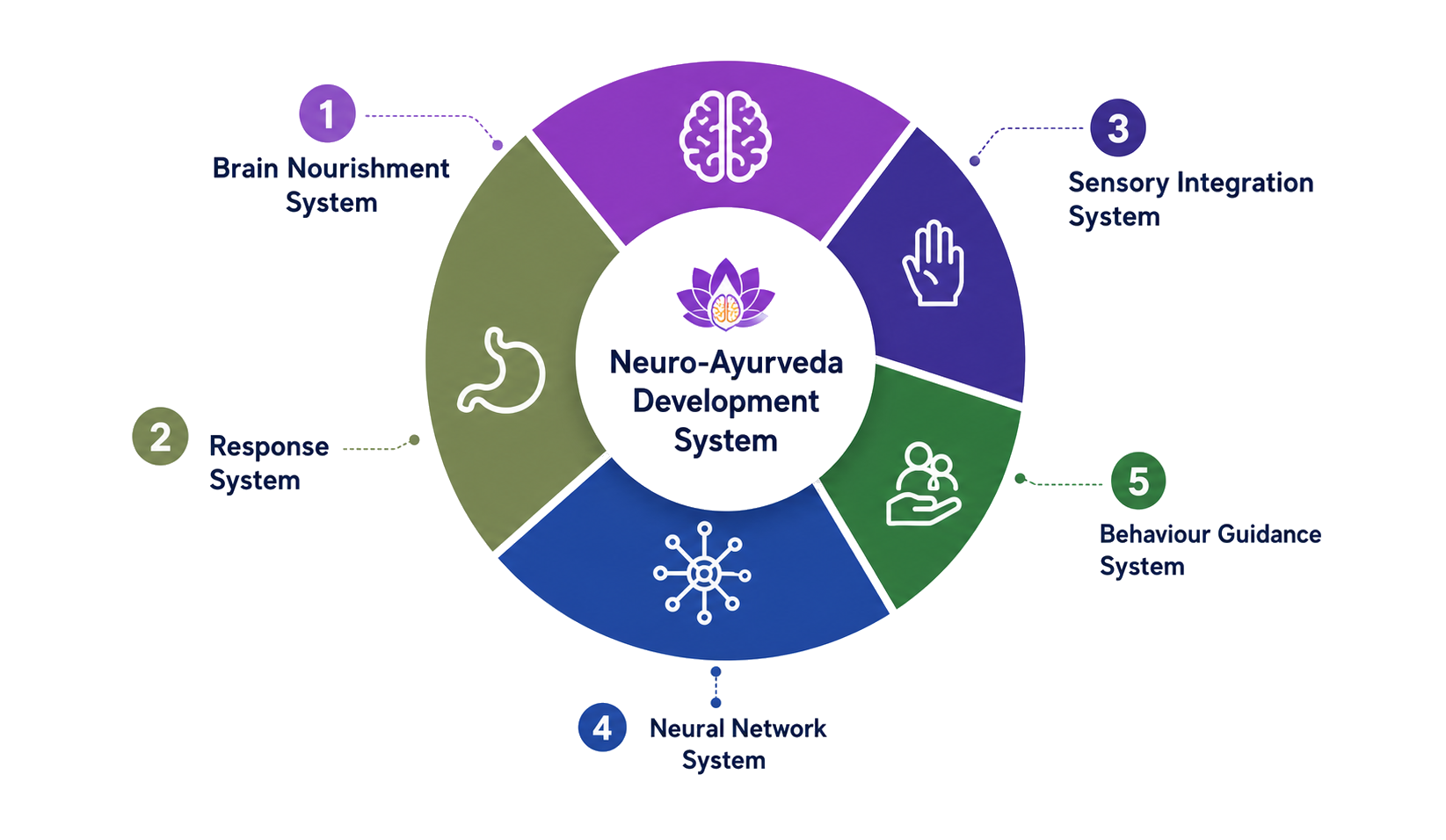
Every headache at Manovaidya is seen from a 5 pillar Neuro-Ayurveda Development System, which includes a holistic evaluation of brain health, gut health, behaviour, lifestyle and emotional wellbeing.
The framework does not take for granted that all headaches are caused by a single factor. It instead opens up the landscape to consider the ways in which the various aspects of health and life could interact overtime.
1. Brain Nourishment System
Healthy brain function benefits include: Mental clarity, Emotional regulation, Stress resilience, Healthy sleep, Cognitive wellbeing, Overall quality of life. Taking care of the brain could help to deal better with daily stress and keep schedules more regular.
2. Gut Response System
Allow food habits and digestive wellness to affect energy, focus and health. This pillar is about understanding: HEALTHY EATING, GUT-BRAIN, NUTRITION PATTERNS, LIFESTYLE INFLUENCES, and DIGESTIVE WELLBEING.
3. Neural Network System
The brain keeps changing in the process of learning, repeated actions and life habits. This pillar emphasises building up the following capacities: Emotional resilience, Healthy thinking patterns, Behavioural awareness, Stress management, Cognitive flexibility.
4. Sensory Integration System
Physical factors and sensory stress may apply to a headache pattern, for individuals spending extended time in front of a screen or in bright lights or loud environments. This pillar is related to: Screen exposure, Workplace environment, Light and noise exposure, Physical recovery, and Lifestyle balance.
5. Behaviour Guidance System
When positive behaviors are embraced as a way of life, rather than a temporary measure, there is a better chance for sustainable improvement. This pillar is dedicated to the following: Healthy routines, Behavioural awareness, Stress management, Sustainable lifestyle habits and Work-life balance.
Living Well With Frequent Headaches
Not all headaches can be prevented. However, regular daily routines will help minimize exposure to some of the most common triggers and help to better understand symptoms. Positive lifestyle habits can include: [1,3]
These practices are supportive measures. They should be used in conjunction with and not instead of medical evaluation and treatment as recommended by a health care professional.
When Should You See a Healthcare Professional?
The early assessment can help determine the nature of the headache, exclude other causes and offer guidance to treatment that can prevent an increasingly disruptive problem.
Looking Beyond the Headache
A headache that occurs on a regular basis is not a passing headache. Factors that affect the occurrence of headache, and the strength of headache, can be sleep, posture, hydration, screen time, emotional stress, and work habits.
Hence, Manovaidya considers the person's overall health state instead of individual headaches. Incorporating emotional, physical and lifestyle considerations together can help to make informed and realistic decisions regarding long-term wellbeing.
Why People Across India Choose Manovaidya
Individuals suffering from headache from Delhi, Noida, Gurgaon, Faridabad, Ghaziabad and other parts of India seek out Manovaidya to understand and treat headache patterns, emotional well-being and repeated headaches where the headache occurs, how often and what it feels like through structured assessments and personalized guidance.
The overall goal is to raise awareness of the relationship between stress, lifestyle and regular headaches and to promote general wellbeing.
About Dr. Ankush Garg
Mental Health Specialist & Founder of Manovaidya
Dr. Ankush Garg founded Manovaidya and developed the Neuro-Ayurveda Development System used in its assessment approach.
His work examines how emotional wellbeing, brain health, lifestyle and mind-body functioning influence one another, particularly in people dealing with stress-related health concerns.
Through structured assessment, personalised guidance and regular follow-up, he helps individuals make sense of their health patterns and introduce lifestyle changes that can be followed in real life.
Based in Delhi NCR, Dr. Ankush Garg offers Mind-Body and Brain Health Assessments that explore how emotional wellbeing, lifestyle and stress-related headaches may be connected within the Neuro-Ayurveda Development System across India, both online and at the clinic.
Frequently Asked Questions (FAQs)
Concerned About Frequent Stress-Related Headaches?
Book a structured Stress & Headache Assessment at Manovaidya to explore the connection between emotional wellbeing, daily routine, tension patterns and recurring headaches, followed by guidance tailored to the assessment findings.