-CrYNDrPl.png)
Digestive Wellbeing
Stress & Acidity Treatment in India
Understanding the Relationship Between Stress, Acidity and Digestive Health through the Neuro-Ayurveda Development System.
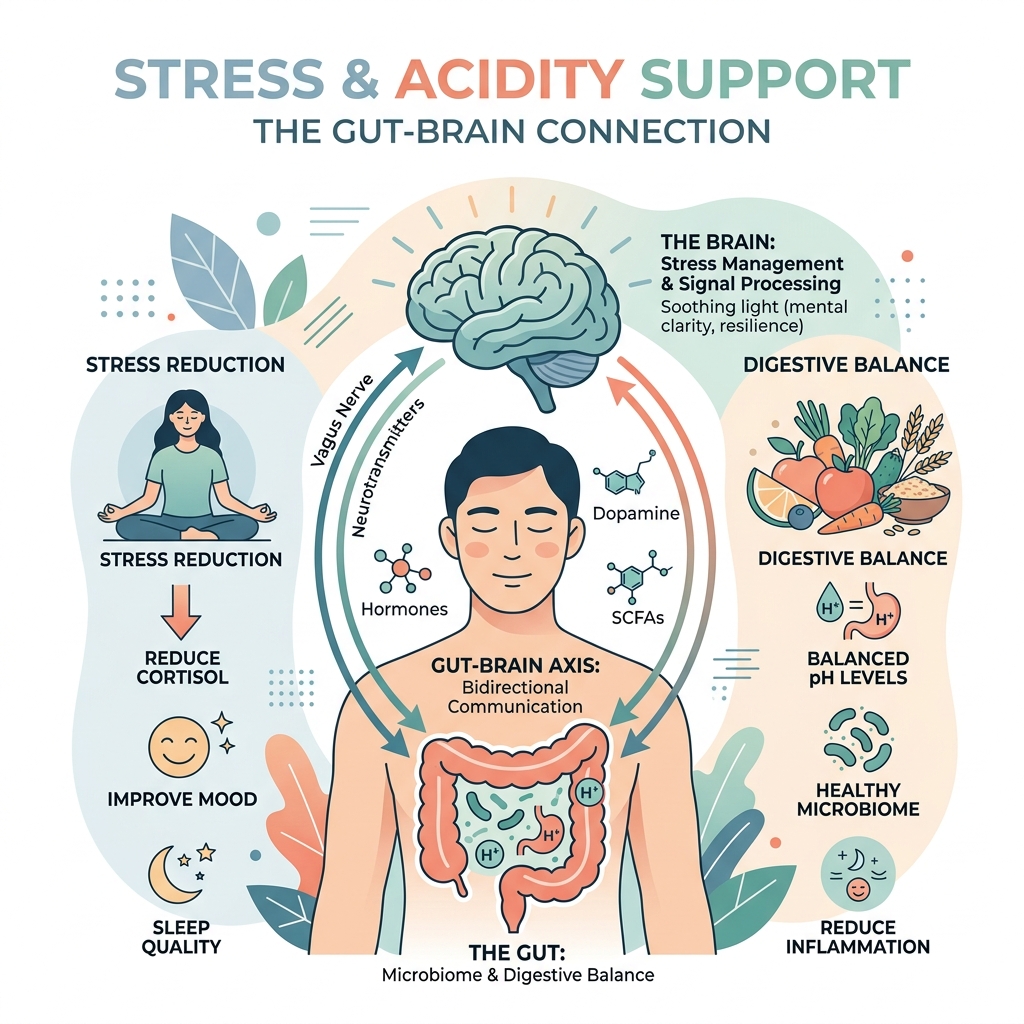
Digestive Wellbeing
Key Takeaways
- Understanding Stress, Acidity & Digestive Health
- Stress & Acidity Connection
- Gut-Brain Connection & Digestive Wellbeing
- Common Symptoms of Acidity
- Factors That May Influence Acid Reflux
- Emotional Wellbeing & Digestive Health
- Warning Signs That Need Medical Attention
- Healthy Lifestyle Habits for Digestive Support
- Stress Management & Healthy Routine Guidance
- Neuro-Ayurveda Development System
- Manovaidya Stress & Acidity Assessment Process
- FAQs About Stress, Acidity & Acid Reflux
Want more content like this?
Join our mind-body health newsletter for stress, digestion and gut-brain wellbeing guidance.
Your privacy is important to us.
Understanding Stress & Acidity
Many people have digestive problems of this kind: acidity, heartburn and acid reflux. These symptoms are more apparent in some during stressful emotional situations. For others, the pain may begin after eating some foods; after skipping or changing a meal schedule or diet.
Remember that not all situations of acidity are caused by stress. All of these can be factors: diet, everyday habits, medical and digestive conditions. Meanwhile, emotional stress can influence the functioning of the digestive system and the person's perception of and reaction to the symptoms.
There is a constant communication between brain and digestive system via the gut-brain axis. The relationship is multi-faceted and is related to the nervous system, hormones and immune pathways. Why digestion and emotional well-being can go so hand in hand.
We at Manovaidya do not focus on the digestive symptom only, and seek to know the person. We consider emotional wellbeing, lifestyle, sleep, nutrition and gut-brain communication throughout and work towards the long-term maintenance of mind-body wellness.
We use the Neuro-Ayurveda Development System with Dr. Ankush Garg the Mental Health Specialist and Founder of Manovaidya. This 5-pillar structured approach integrates brain health, gut health, behaviour and lifestyle for overall wellbeing.
What is Acidity?
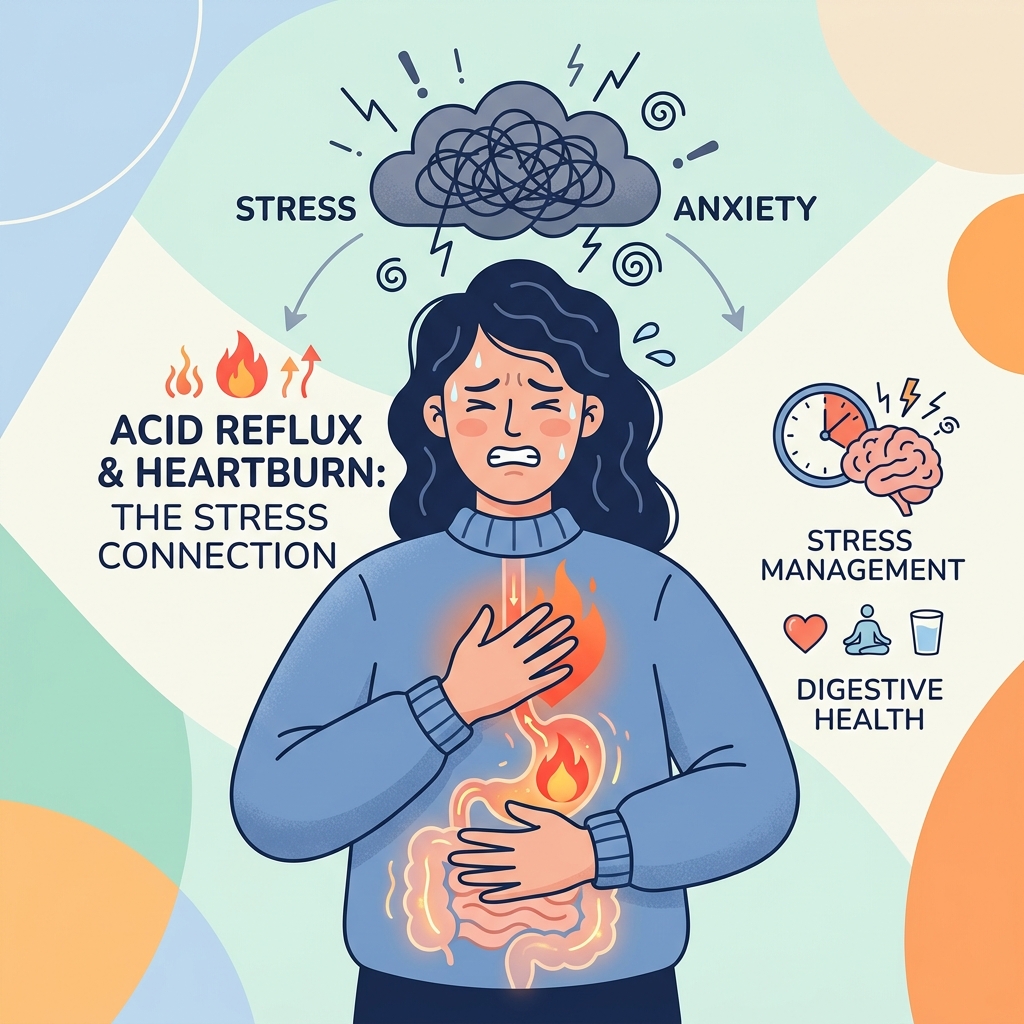
When referring to pain associated with stomach acid, acidity is often used. It can mean reflux of acid into the food pipe (known as acid reflux) or to irritation of the upper digestive system.
These symptoms may happen from time to time, or continue to happen.
If symptoms are persisting or severe, always seek a qualified health care professional's advice.
How Are Stress and Acidity Connected?
Emotional stress may have a variety of effects on digestion, and it is not a similar experience for all.
The gut-brain axis is still under investigation as to the various ways emotional wellbeing and digestive health are connected. While it may be, that the digestive function is affected by stress or the symptoms can be more noticeable in some people, it is not necessarily caused by stress, but by a variety of factors.
The Gut-brain Connection and Acidity
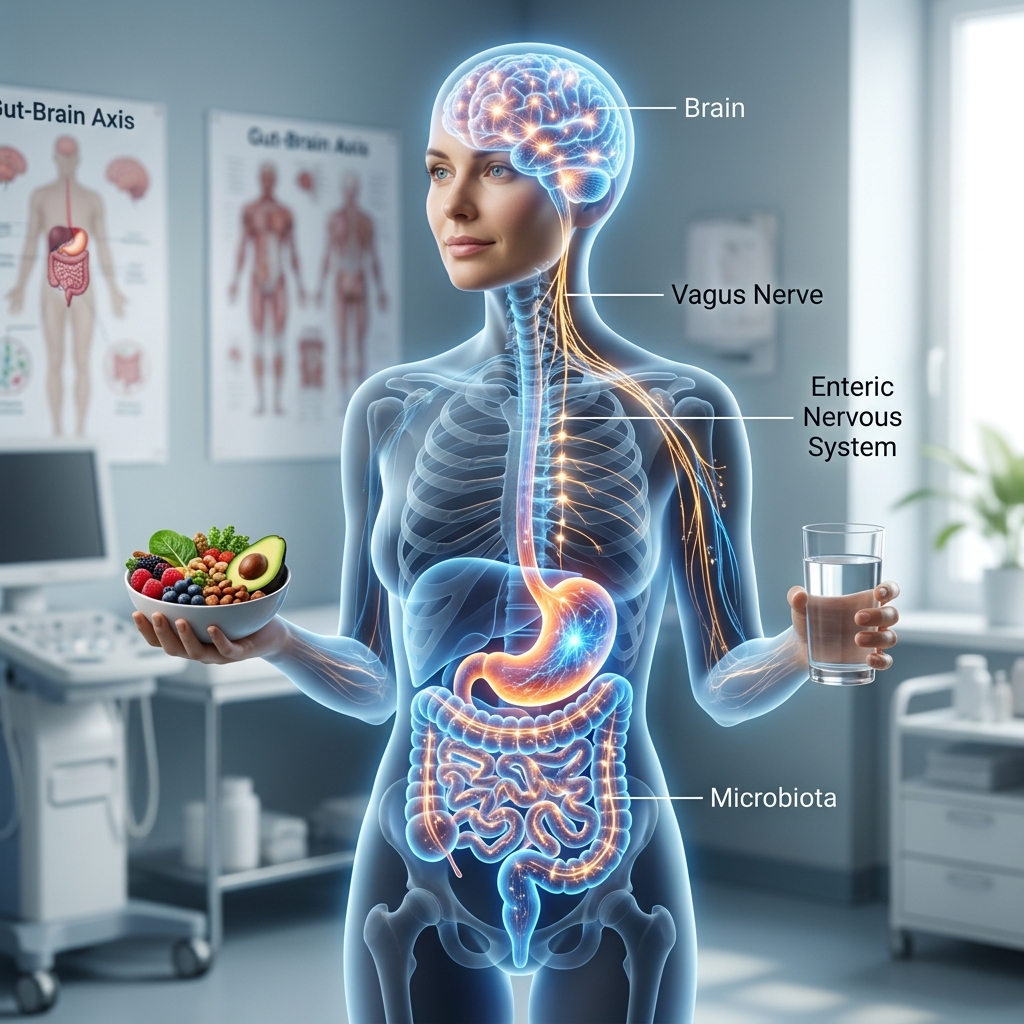
There are links between the brain and digestive system via nerves, hormones and immune pathways.
This constant interaction is used to help control: Digestive function, Appetite, Stress responses, Sensitivity in the digestive system, Overall digestive wellbeing.
For some, it's as if digestive discomfort intensifies or occurs more frequently during periods of emotional stress. The role the gut-brain axis plays in digestive issues, such as reflux and indigestion, is still being explored.
Other digestive diseases may also cause these symptoms. That is why it is crucial to see a doctor if a proper diagnosis is required.
Who May Notice Acidity During Stress?
Other people experience digestive issues when they are more stressed at work, during exams and when they are anxious, emotional, sleep-disordered, too busy, eating at irregular hours, or having major changes in their lives.
This response can vary from person to person; for some, this pattern will be evident and for others, it will not.
Why Emotional Wellbeing Matters
Routine acidity can impact much more than physical comfort. May start to affect daily decisions, sleep, and self-confidence.
Can Stress Make Acidity Symptoms Worse?
A lot of people believe that heartburn, indigestion or acid reflux is more noticeable during emotionally stressful times. This link is still being investigated in the study of the gut-brain axis, a constant connection between the brain and digestive system.
Stress can impact on how a person eats, sleeps, carries out their normal daily activities and perceive symptoms of digestion. Despite this, acidity typically occurs as a result of multiple causes, and the stress alone does not have to be blamed for the acidity.
Common Signs You Should Not Ignore
This can occasionally be acidic. But it is important to have medical assessment for:
Get immediate medical attention if you have: Trouble swallowing, Unexplained loss of weight, Blood in vomit, Black or bloody stools, Severe chest pain, Persistent vomiting, symptoms for several weeks that gradually get worse.
Our Stress & Acidity Assessment Process
We look at the whole picture of digestive health, emotional well-being and lifestyle at Manovaidya, rather than individual symptoms.
1. Understanding Your Health Journey
Each consultation starts with listening and understanding your full health journey and discussing symptoms, eating habits, sleep quality, stress, medical history and past treatments.
2. Comprehensive Mind-Body Assessment
The structured assessment is based on a few factors that can impact digestive wellbeing: emotional wellbeing, lifestyle habits, stress patterns, nutrition, daily routine and work-life balance.
3. Understanding Your Wellbeing Profile
After the assessment, we give a straightforward, clear and applicable explanation of our observations. This encompasses individual guidance and action steps.
The Neuro-Ayurveda Development System

Neuro-Ayurveda Development System is our understanding of acidity and digestive wellbeing. This is a 5-pillar structure approach that takes into account the brain health, gut health, behaviour, lifestyle and emotional wellbeing.
1. Brain Nourishment System
Emotional regulation, Stress resilience, Mental clarity, Healthy sleep, Cognitive wellbeing are supported by a healthy brain function. Supporting emotional wellbeing could help people to respond to the stresses in everyday life in a balanced way.
2. Gut Response System
There are several factors that help with healthy digestion. This pillar is about understanding: Gut-brain communication, Digestive wellbeing, Nutrition, Healthy eating habits and Lifestyle influences.
3. Neural Network System
This strand of the pillar is about strengthening: Emotional resilience, Healthy thinking patterns, Behavioural awareness, Stress management, Cognitive flexibility.
4. Sensory Integration System
The environmental demands and stresses can impact on emotional and digestive comfort. This takes in to account: Environmental stress, Recovery, Relaxation, Lifestyle balance.
5. Behaviour Guidance System
Long-term digestive and emotional health plays an important role in healthy daily routines. This emphasizes: Positive habits, Awareness of behaviour, Change in lifestyle, Long-term daily habits.
How We Support Individuals with Stress & Acidity
Individuals are different and so are the various reactions to acidity. Symptom pattern and the impact on functioning can differ from person to person, as can triggers. At Manovaidya, the individual's digestive issues, emotional needs and lifestyle are catered to.
Supporting Digestive Health and Emotional Wellbeing

Regular, routine actions can help the gut and the mind. Helpful practices include:
Avoid dehydration by staying active and drinking plenty of water.
Changes in lifestyle should be in addition to, not instead of, appropriate medical care.
Why People Across India Choose Manovaidya
People and families from Delhi, Noida, Gurgaon, Faridabad, Ghaziabad and across India opt for Manovaidya as they believe in integrating emotional well being with digestive health.
People from Delhi, Noida, Gurgaon, Faridabad, Ghaziabad and all over India come to Manovaidya to gain insights into the relationship between stress, acidity, acid reflux and digestive health by undergoing structured assessments and receiving individual guidance.
About Dr. Ankush Garg
Mental Health Specialist & Founder of Manovaidya
Dr. Ankush Garg is the Founder of Manovaidya and the developer of the Neuro-Ayurveda Development System. His work focuses on the relationship between emotional wellbeing, gut health, brain function and lifestyle, particularly for individuals dealing with stress-related digestive concerns.
Through structured assessments, personalised guidance and regular follow-up, Dr. Ankush Garg helps individuals understand the gut-brain connection more clearly and work towards healthier, sustainable lifestyle habits.
Based in Delhi NCR, Dr. Ankush Garg provides Mind-Body and Digestive Health Assessments to help individuals understand the relationship between emotional wellbeing, the gut-brain axis and stress-related acidity through the Neuro-Ayurveda Development System. He provides consultations to individuals across India through both online and in-clinic appointments.
Frequently Asked Questions (FAQs)
Concerned About Stress, Acidity or Heartburn?
Book a structured Stress & Acidity Assessment with Manovaidya to understand the relationship between emotional wellbeing, acid reflux, digestive health and lifestyle more clearly while receiving personalised guidance.