-CrYNDrPl.png)
Brain Health
Stress & Migraine Treatment in India
Understanding the Relationship Between Stress, Migraine and Emotional Wellbeing.
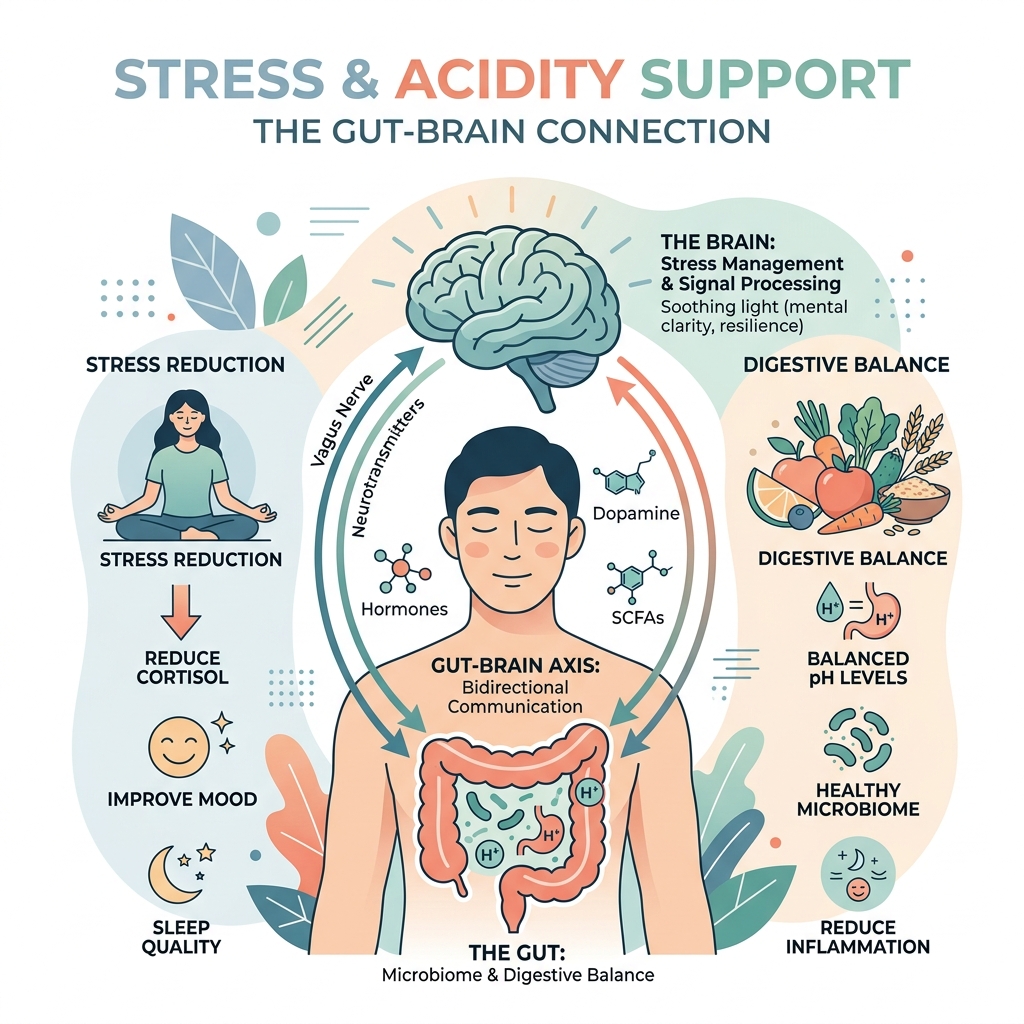
Brain Health
Key Takeaways
- Understanding Stress, Migraine & Brain Health
- Stress & Migraine Connection
- Common Migraine Symptoms & Triggers
- Brain, Nervous System & Stress Response
- Migraine Aura & Sensory Sensitivity
- Emotional Wellbeing & Migraine
- Warning Signs That Need Medical Attention
- Identifying Personal Migraine Triggers
- Healthy Lifestyle Habits for Migraine Support
- Neuro-Ayurveda Development System
- Manovaidya Stress & Migraine Assessment Process
- FAQs About Stress & Migraine
Want more content like this?
Join our mind-body health newsletter for stress, digestion and gut-brain wellbeing guidance.
Your privacy is important to us.
Understanding Stress & Migraine
Migraine is not just a bad headache. It is a neurological disorder and an attack may cause intense headaches, nausea, sensitivity to light and sound, and substantial enough pain to prevent anyone from completing normal activities.
Individuals who suffer from migraine frequently feel that there is a connection between stressful periods and attacks of migraine. An episode can sometimes be triggered or aggravated by stress. Despite this, migraine is not usually diagnosed as a single cause and so the stress can be considered as a trigger rather than as the sole cause.
More research is needed to explore the link between emotional health, nervous system and migraine. It can be easier for a person to identify their own patterns, to notice how these areas influence the others, and to make constructive changes to their life without stopping their medical treatment.
It's not just about the headache at Manovaidya. We have time to consider the person's emotional health, sleep, eating patterns, routine and general mind/body health, so that the support provided is comprehensive.
Dr. Ankush Garg, Mental Health Specialist and Founder of Manovaidya leads this work. The clinic's approach is based on his Neuro-Ayurveda Development System which is a 5 pillar system of combining brain health, gut health, behaviour, lifestyle, and emotional wellbeing.
What is Migraine?
Migraine is a neurological disorder characterized by recurrent attacks of headache. The pain, length of an attack and accompanying symptoms can vary widely from one person to another.
An attack occurs only occasionally for some people. For others, migraines are frequent enough to interfere with work, family obligations, travel and the day to day routine.
Migraine does not always appear in the same manner. Everyone's experience with a condition can be very different and the symptoms can also change from one year to another.
The diagnosis is typically made by a healthcare professional following a careful history of symptoms and determining that there is no other condition responsible for the headaches.
How Are Stress and Migraine Connected?

One of the triggers that is commonly reported by migraine sufferers is emotional stress. One could have more frequent attacks when:
Stress impacts the nervous system, the body's expected stress-response mechanisms, and has been shown to be a factor in an attack. However, migraine is usually caused by a combination of factors, not just stress.
Can Stress Trigger Migraine Attacks?
Stress is what people often refer to as the first time the attack happens or when the symptoms start to get worse. The exact relationship is complex and scientists are still studying the interactions between the brain, nervous system and the stress response during migraine.
Only one stressor is listed. Other common factors reported include hormonal changes, sleep deprivation, dehydration, fasting, certain foods, and bright lights and strong smells.
Since each trigger pattern is unique, long-term management of an attack often begins by observing how you tend to react before you are attacked.
The Brain, Stress Response and Migraine
Migraine can be classified as a neurological condition because there are changes in the activity of the brain and in the function of the nervous system.
Prolonged stress, over a course of days or weeks, may affect multiple aspects of life, such as:
For many, an attack may be more likely if any of these changes occurs, but stress is rarely a complete cause of an attack. Studies are ongoing to find out what happens in the brain and nervous system before, during and after a seizure.
Common Symptoms of Migraine

Migraine is not the same for everyone, and the combination of symptoms varies from attack to attack.
There is also an aura with some people before or during the onset of the headache. This can include temporary alterations in vision, sensation or other neurological aspects.
Who May Notice Stress-Related Migraine Triggers?
Triggers are personal. One thing that triggers an attack for one person may have no effect on another. Keeping a migraine diary to record attacks, routine and potential triggers may begin to show patterns that would not otherwise be obvious.
Common Migraine Triggers
No list of triggers applies to all. Some commonly reported triggers include:
Keeping a migraine diary can be useful to help link migraine headaches with sleep, meals, stress, weather and other factors and determine which ones are relevant.
Warning Signs You Should Not Ignore
Migraine is a known neurological disorder, but severe headache does not necessarily mean that it is a migraine. Some symptoms may indicate a more serious issue, and require immediate evaluation.
These symptoms do not go away on their own and should be treated in an emergency.
Why Emotional Wellbeing Matters
Migraine does not only impact on the body. The vagaries of the return of an attack can influence plans, confidence, work decisions and emotional health.
The deterioration of the quality of life.
Taking steps to promote emotional wellness, as well as medical and lifestyle measures, can help make life with migraine more manageable. Emotional exhaustion can set in as a result of repeated migraine attacks, especially if pain makes it difficult to move on with life, work or travel, or enjoy time with others.
Our Stress & Migraine Assessment Process
The migraine attack can disrupt so much more than comfort. If attacks happen regularly they can impact sleeping, working, family life, traveling and emotional well-being. Although it is very important to make a proper medical diagnosis and provide treatment, stress and lifestyle should not be overlooked as they may have an impact on how migraine is felt.
In our assessment at Manovaidya, we're not just looking at the headache, we're looking at the relationship between brain health, emotional wellbeing and everyday life. To offer personalised guidance, we first get a clear picture of what factors could be impacting the person's overall wellbeing.
1. Understanding Your Health Journey
The first consultation is a comprehensive discussion with you about your health history and how migraine has impacted your life. We discuss: Your migraine history, Frequency and duration of your attacks, Common triggers you have noticed, Emotional wellbeing, Stress levels, Daily routine, Eating habits, Medical history, and Previous investigations and treatments. All of these pieces of information contribute to a more comprehensive view of the health situation and may be overlooked if considered separately.
2. Comprehensive Mind-Body Assessment
The next section examines some interrelated regions which may affect migraine and overall health. These are: Emotional wellbeing, Stress patterns, Sleep quality, Lifestyle habits, Nutrition, Daily routine, Work-life balance, Behavioural patterns, Energy levels and Overall quality of life. Comparing the areas side-by-side can sometimes be helpful to identify recurring links that may become more apparent, such as sleep disturbances, work stress or changes in routine occurring at similar times during the attack.
3. Understanding Your Wellbeing Profile
We then discuss the observations in simple language, linking it to everyday life experiences. This covers: Emotional wellbeing profile, Lifestyle influences, Stress patterns, Sleep observations, Potential trigger patterns, Personalised guidance, Practical next steps. The aim is to help people understand that migraine and their emotional health and lifestyle might be linked and make decisions about healthcare in the future that take this into account.
The Neuro-Ayurveda Development System
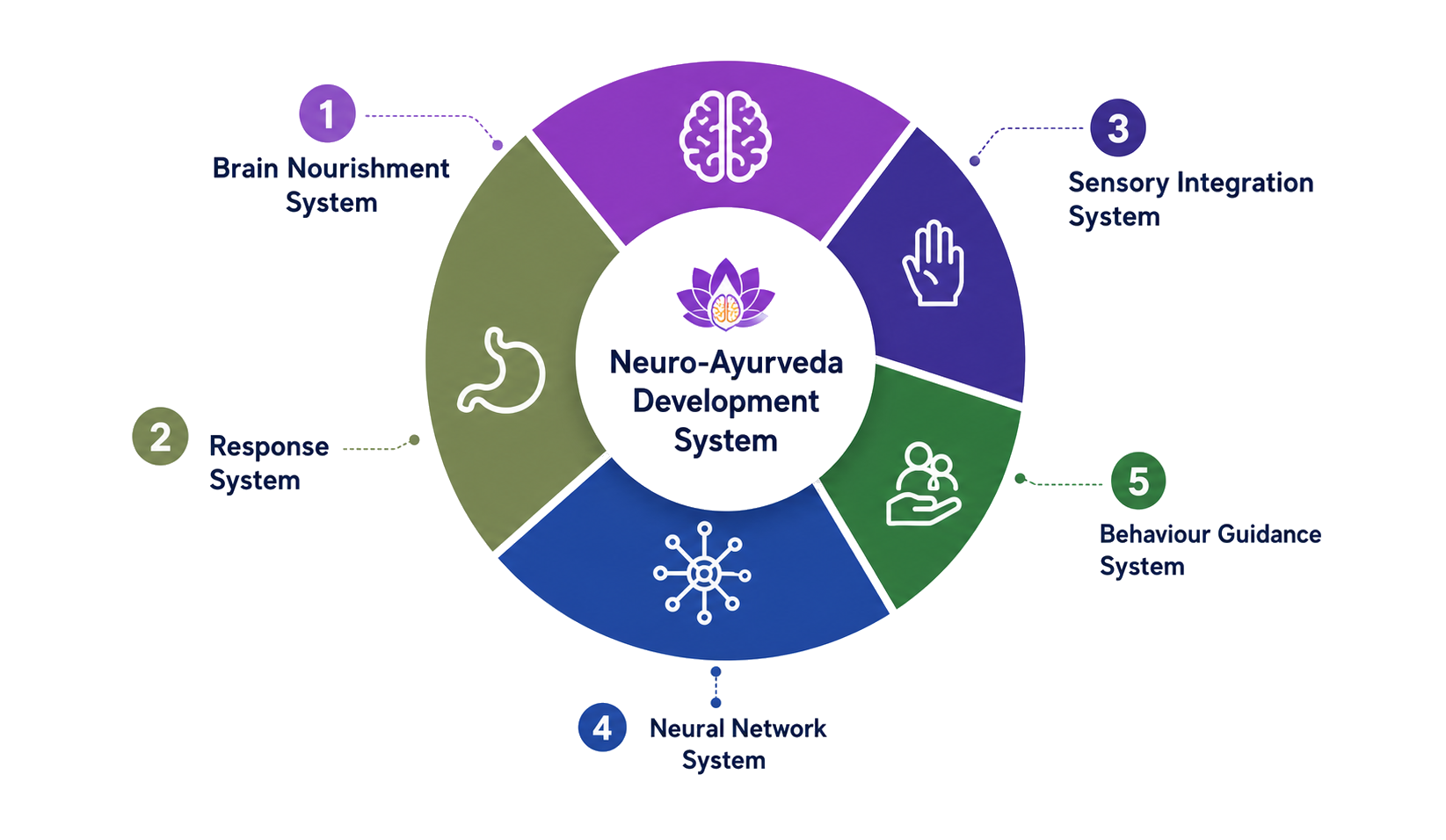
Manovaidya's Neuro-Ayurveda Development System provides a five interconnected perspectives on migraine – brain health, gut health, behaviour, lifestyle and emotional wellbeing. The framework is not limited to cases of headache attacks. Used to examine the potential interactions between multiple components of health over time.
1. Brain Nourishment System
Enjoying a healthy brain means enjoying: Emotional regulation, Mental clarity, Stress resilience, Healthy sleep, Cognitive wellbeing, and Overall quality of life. Attention to brain health is therefore aligned to both neurological and emotional well-being.
2. Gut Response System
The way a person eats and how well they digest their food may impact their overall well-being. The focus for this pillar is understanding: Healthy eating habits, Gut-brain communication, Digestive wellbeing, Lifestyle influences, and Nutrition patterns.
3. Neural Network System
The Brain continues to change with learning, repeated habits and daily experiences. This pillar is to strengthen Emotional resilience, Healthy thinking patterns, Behavioural awareness, Stress management and Cognitive flexibility.
4. Sensory Integration System
During migraine, the surroundings, such as light, sound and others, can become very difficult to tolerate. Many people know that this sensesiveness is a significant trigger for the attack. It takes into account: Light sensitivity, Sound sensitivity, Environmental stress, Recovery, and Lifestyle balance.
5. Behaviour Guidance System
Habits that support lasting improvements are easier to continue in everyday life, than to just do for a short period. This pillar emphasizes: Healthy habits, Managing stress, Awareness of behaviour, Sustainable habits, and Lifestyle changes.
How We Support Individuals Living With Migraine
A migraine treatment plan is unique to the individual and won't work for all people. Support at Manovaidya is tailored to the individual's symptoms, emotional health, daily or lifestyle habits and not identical in all cases.
The aim is to raise awareness of the connections between brain health, emotional wellbeing and lifestyle; and to help the person develop habits that they can carry over into everyday life.
Living Well With Migraine

Not all migraines can be avoided. Despite this, for many a well-established schedule and few unnecessary triggers can help make life easier. Some useful lifestyle tips can be:
These are measures designed to complement the treatment plan recommended by your health care provider.
When Should You See a Healthcare Professional?
A proper assessment early in the course of the disease will eliminate other possibilities and guide you toward a more appropriate management plan.
Looking Beyond Migraine Attacks
Migraine is more than just a headache. Many factors can factor into the frequency and perceived impact of attacks such as sleep, food, stress, emotional state or everyday habits.
Because of this, Manovaidya considers the individual's overall health and not treats each headache as an isolated incident. When emotional, lifestyle and physical factors are viewed together, this can help decisions to be made in a better informed and realistic way about long-term wellbeing.
Why People Across India chose Manovaidya.
Delhi, Noida, Gurgaon, Faridabad, Ghaziabad and other parts of India, people that consult Manovaidya, seek to connect the dots between migraine, emotional wellbeing and stress related triggers, through the structured assessment and personalized guidance.
Stress & Migraine Assessments are comprehensive evaluations that thoroughly assess stress and migraine.
The overall goal is to help the person understand the links between lifestyle, emotional wellbeing and brain health and improve overall quality of life.
About Dr. Ankush Garg
Mental Health Specialist & Founder of Manovaidya
Dr. Ankush Garg is the founder of Manovaidya and is also responsible for building the Neuro-Ayurveda Development System that is applied in the assessment of Manovaidya.
He studies the complex interplay between emotional wellbeing, brain function, lifestyle and general health. In particular, he investigates the interactions between these factors in individuals who experience stress related neurological or mind-body concerns.
He helps people understand their symptoms and incorporate lifestyle practices that they can maintain using structured assessments, one to one guidance, and follow-up.
Dr. Ankush Garg practices Mind-Body and Brain Health Assessments in India, both online and in clinic, in Delhi NCR, examining the possible linkages between emotional wellbeing, lifestyle and migraine in the framework of the Neuro-Ayurveda Development System.
Frequently Asked Questions (FAQs)
Concerned About Stress and Migraine?
Book a structured Stress & Migraine Assessment at Manovaidya to explore migraine triggers, emotional wellbeing, lifestyle factors and brain health, followed by guidance tailored to the findings.