-CrYNDrPl.png)
Pregnancy, Postpartum & Motherhood
Pregnancy, Postpartum & Motherhood Mental Health Support for Women in India
Supporting Emotional Wellbeing Through Pregnancy, Childbirth & Motherhood
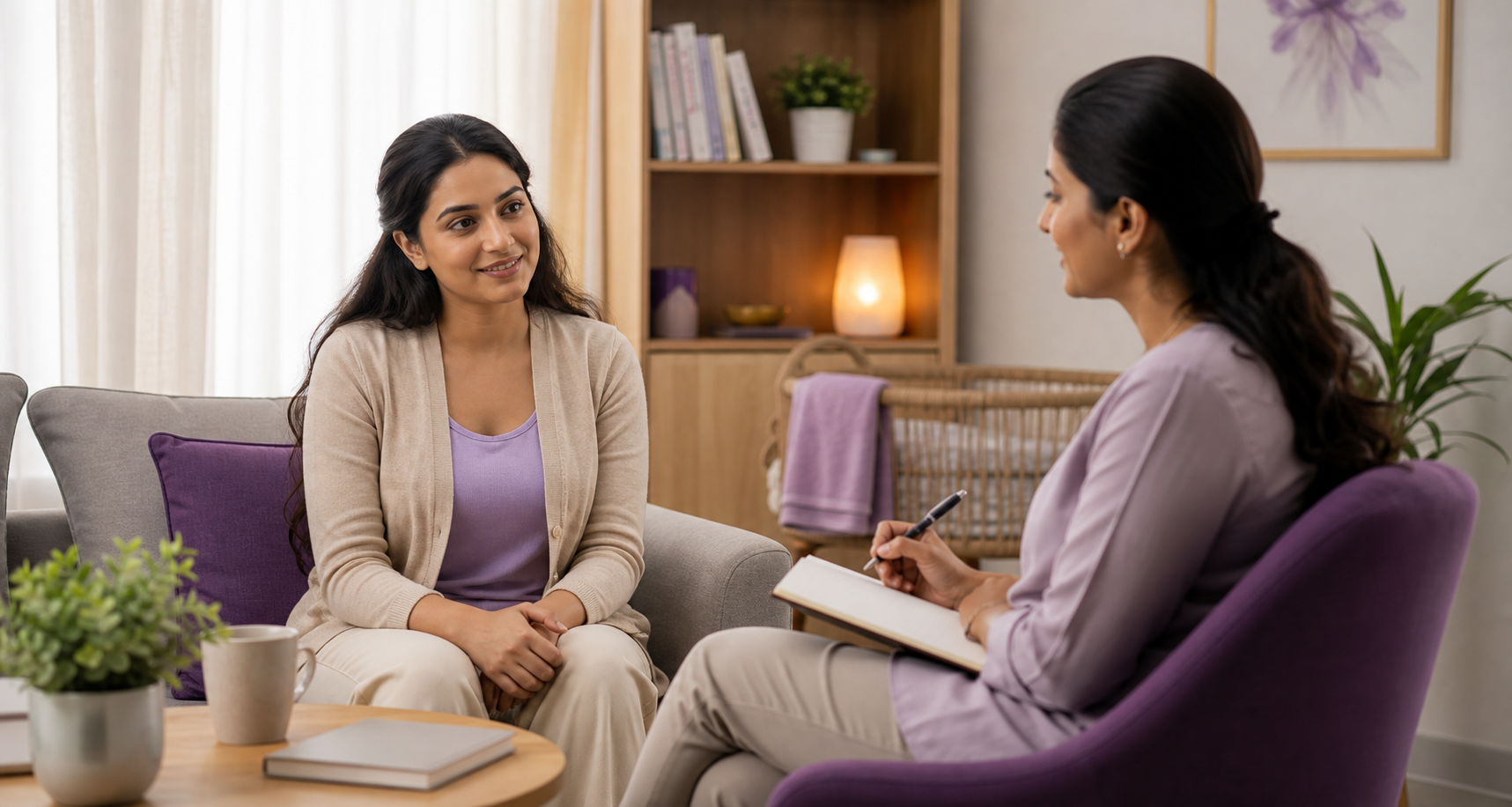
Pregnancy, Postpartum & Motherhood
Key Takeaways
- Understanding Pregnancy & Maternal Mental Health
- Emotional Changes During Pregnancy
- Pregnancy Anxiety & Emotional Wellbeing
- Understanding Baby Blues
- Baby Blues vs Postpartum Depression
- Common Signs of Postpartum Emotional Distress
- Motherhood Stress & Emotional Changes
- Sleep, Hormonal & Lifestyle Factors
- Supporting Maternal Emotional Wellbeing
- Neuro-Ayurveda Maternal Wellbeing Approach
- Manovaidya Assessment & Support Process
- FAQs About Pregnancy, Postpartum & Motherhood
Want more content like this?
Join our women's mental health newsletter for pregnancy, postpartum and maternal wellbeing guidance.
Your privacy is important to us.
Pregnancy and motherhood can be considered one of the best experiences of life. They can be exciting, joyful and hopeful but they also have a number of important emotional, physical and hormonal changes that can impact each woman differently.
As women prepare for parenthood, go through body changes and changes in their emotions, many of them feel emotions changing during pregnancy. Some mothers find it overwhelming after childbirth to care for a newborn, get physically better and take to a totally different lifestyle.
Feeling emotional, tired or worried at times is common. Where sadness, anxiety, excessive fear, emotional exhaustion or persistent low mood start to impact upon daily life, relationships and bonding with the baby, these experiences are important to attend to and seek professional help with.
Emotional problems during pregnancy can happen at any time, during pregnancy or right after birth or within the first year of motherhood. Each woman is different and there is no "right" feeling when on this journey.
Many moms are reluctant to discuss challenges with emotional issues because they think that since they are now moms, they should be happy all the time. In fact, emotional wellbeing is a crucial aspect of the health of both the mother and family.
We believe at Manovaidya that brain health, hormonal shifts, sleep, nutrition, physical recovery, lifestyle habits and emotional support are all factors that can affect maternal emotional wellbeing. We don't just look at symptoms, we want to see the whole emotional experience of each mom.
Under the guidance of Dr. Ankush Garg (Autism, ADHD, Child Development & Mental Health Specialist in India), Manovaidya is based on a Neuro-Ayurveda Development System, designed to educate women on how to handle emotional wellbeing during pregnancy, and in the postpartum stages, using a structured assessment and personalized holistic approach.
It is beneficial to understand the emotional patterns that have begun to affect self-confidence, sleep, work or life quality if continuous feelings of pregnancy anxiety have begun to impact them, as well as emotional shifts after delivery and postpartum stress or emotional exhaustion.
At Manovaidya, Pregnancy & Motherhood Mental Health Treatment Focuses On:
- Pregnancy Anxiety
- Pregnancy Emotional Changes
- Maternal Wellbeing During Pregnancy
- Baby Blues
- Postpartum Emotional Health
- Motherhood Stress
- New Mother's Maternal Wellbeing
- Maternal Mental Health
Book a Structured Pregnancy & Motherhood Mental Health Assessment
If ongoing pregnancy anxiety, postpartum emotional changes, motherhood stress or emotional exhaustion have started affecting confidence, sleep, work or overall quality of life, understanding the underlying emotional patterns is an important first step.
Understanding Pregnancy & Motherhood Mental Health
Understanding Pregnancy & Motherhood Mental Health
Pregnancy, postpartum and motherhood emotional changes may affect mood, sleep, confidence, relationships, caregiving and daily functioning.
Emotional shifts in pregnancy, postpartum and motherhood can impact mood, sleep, self-confidence, relationships, caring for others and functioning.
Pregnancy and giving birth result in significant changes in a woman's bodies, emotions and lifestyle.
It is common for many women to feel a range of emotions as they adapt to becoming pregnant, to giving birth and to raising a young baby.
The majority of women will have temporary emotional fluctuations. If the emotional distress continues, however, it is not to be overlooked.
So many women who are looking for Pregnancy Mental Health Treatment in India, Motherhood Stress, Postpartum Emotional Health, Pregnancy Anxiety or New Mother Emotional Support are wondering whether it is a normal ‘reaction' or if it is time to get professional help.
It's essential to recognise these emotional shifts as a step towards enhancing wellbeing.
These experiences may be enhanced with emotional support, healthy lifestyle habits and proper professional guidance as necessary.
Most mothers have some initial emotional fluctuations in the first days after giving birth.
Baby blues typically pass in approximately 2 weeks after giving birth. If symptoms become severe, last longer or continue to worsen, professional assessment is recommended.
Understanding Postpartum Emotional Wellbeing
It can take weeks and months for a woman to settle into her new role as a mother.
Experience is very different in these places. If symptoms are ongoing, it is essential to talk to a registered health care provider.
Motherhood Brings Emotional Changes Too
For many people, being a mother alters their life in several ways.
Changes in one's identity.
Identifying such changes can help mothers realize that emotional health is just as crucial after giving birth as physical health.
Common Signs & Symptoms
Emotional Symptoms
Anxiety, mood changes, crying spells, irritability, sadness, emotional exhaustion, overwhelm and feeling disconnected.
Cognitive Symptoms
Excessive worry, racing thoughts, self-doubt, difficulty concentrating, fear of not being a good mother and negative thinking.
Behavioural Changes
Social withdrawal, difficulty asking for help, reduced self-care, changes in communication and difficulty managing responsibilities.
Physical & Sleep Changes
Fatigue, poor sleep, appetite changes, restlessness and body tension. Persistent physical symptoms should always be medically evaluated.
Anxiety, mood changes, crying spells, irritability, sadness, emotional exhaustion, overwhelm and feeling disconnected.
Worry, racing thoughts, lack of confidence, poor concentration, fears of being a bad mum and negative thinking.
Withdrawal into the self, inability to seek assistance, impaired self-care, alterations in communication and problems with responsibilities.
Fatigue, lack of rest, appetite changes, restlessness and tension in the body. Any ongoing physical symptoms should always be checked out medically.
Each woman's situation is unique.
The worry about being a "bad mother".
If symptoms continue despite physical examination, then, the medical evaluation of them should be persistent.
What Can Influence Maternal Emotional Wellbeing?
Hormonal & Body Changes
Pregnancy, childbirth, recovery, sleep disruption and physical changes may influence emotional wellbeing.
Life Transition & Responsibilities
New roles, caregiving pressure, relationship changes, family expectations and parenting responsibilities may increase stress.
Emotional & Support Factors
Past mental health concerns, lack of rest, limited support, anxiety and chronic stress may affect maternal wellbeing.
Emotional wellbeing can be affected by changes in pregnancy, birth, recovery, disruption to sleep and changes to the body.
Stress may increase because of new roles and caregiving responsibility, relationship changes, family's expectations and parenting responsibility.
Maternal wellbeing may be impacted by past mental health problems, lack of sleep, decreased support, anxiety and chronic stress.
Knowing about these factors can help to develop individual support for each mother.
Why Early Recognition Matters
Recognising pregnancy, postpartum and motherhood emotional changes early allows women to seek support before emotional wellbeing, sleep, confidence or daily functioning becomes significantly affected.
Early recognition of emotional pregnancy or postpartum or motherhood changes enable women to seek help before their emotional wellbeing, sleep, confidence or daily functioning is significantly impacted.
There are many women who are suffering silently due to emotional distress and think that it is part and parcel of being a mother.
Identifying emotional changes early means that mothers can access the necessary help, build their coping skills and help them and themselves with emotional wellbeing.
How Pregnancy & Motherhood Can Affect Daily Life
Being pregnant and having children can cause some very physical, emotional and lifestyle changes. Many women make these changes slowly, but for some, it's an emotional struggle.
Emotional health may be impacted during pregnancy and postpartum by hormonal changes, shifting roles, disrupted sleep and worry about the baby's well-being.
Understanding that these emotional shifts are common early signs of the world opening up to women, and that asking for support is not a sign of weakness, but of strength.
It is normal for women to experience emotional changes during pregnancy and as mothers that are unique to each woman.
If emotional disturbance is ongoing and starting to impinge upon life or relationships, it should not be ignored.
The physical recovery and emotional well-being are intertwined on the motherhood journey.
It is very common to have sleep changes during pregnancy and after giving birth.
Extended periods of sleep loss can impact emotional stability, focus and general satisfaction.
A shift in conversation with their significant other.Communication with partner changes.
Emotional distance as a result of fatigue.
Women typically have to juggle several things during their pregnancy and when giving birth to their child.
These changes occur often but if there is prolonged emotional distress, it requires professional help.
Many new mothers hear the term “Baby Blues” but it is important to understand the difference between Baby Blues and Postpartum Depression.
Decreased interest in activities and hobbies.
Failure to form a bond with the baby.
Guilt or helplessness.
Postpartum depression is a valid medical condition and ought to be assessed by a trained health care provider.
Pregnancy Anxiety vs Normal Pregnancy Worries
Normal Pregnancy Worries
- Occasional worry linked to appointments, health, delivery or preparation
- Improves with reassurance, rest, information and support
- Does not significantly interfere with daily functioning
Pregnancy Anxiety
- Persistent or excessive worry that becomes difficult to control
- Fear, restlessness, poor sleep or repeated reassurance seeking
- May interfere with daily life and benefit from professional assessment
These concerns are usually of a short duration.
If worry persists, is unmanageable and is impacting sleep, your relationships, or everyday functioning, though, professional help may be beneficial.
The Neuro-Ayurveda Development System
Emotional wellbeing of the mother is seen from a holistic point of view at Manovaidya.
The Neuro-Ayurveda Development System does not just address emotional symptoms, but also looks at brain health, hormonal wellbeing, sleep, nutrition, lifestyle habits and emotional resilience.
The link between gut health and emotional health continues to be explored and researched.
Balanced nutrition and healthy digestion can affect energy, mood and emotional health in the mother and baby during gestation and lactation.
Development of healthy emotional adjustment is learned, experienced and supported.
Parenting education, counselling, journaling, mindfulness and supportive conversations, etc. can boost confidence in parenthood.
Sensory experiences can have a calming and balancing effect.
Pregnancy and motherhood can have an impact on behaviour.
Being aware of these behavioral shifts and accepting them with kindness instead of self Judgement may help maintain emotional wellness.
Supporting Emotional Wellbeing During Pregnancy & Motherhood
Along with the right medical attention, a healthy lifestyle can help maintain emotional wellness.
A good eating plan during and after pregnancy will contribute to general wellbeing.
Non-exertive exercise, as recommended by your obstetrician or healthcare professional, can help with a healthy physical and mental state.
Family members, partners and trusted friends can be very helpful in helping to lessen emotional stress.
Emotional well-being can be supported through relaxation exercises and mindfulness, breathing exercises and enjoying hobbies.
Sadness, anxiety, emotional distress or difficulty coping persist for longer than a brief time, or it prevents you from caring for yourself or your baby, or grows more severe, a professional assessment is recommended. Seek urgent medical help immediately if you experience thoughts of harming yourself, your baby or anyone else, or if you feel unable to keep yourself or your child safe.
Initiatives implemented to support women:Actions taken by Manovaidya to support women:
Step 1: Comprehensive Assessment
Step 2: Personalized Guidance
Step 3: Maternal Wellbeing Guidance
Step 4: Neuro-Ayurveda System
Step 5: Ongoing Support
At Manovaidya, attention is paid to understanding each mother's individual journey and not simply focusing on symptoms.
Step 1: Comprehensive Assessment
Knowledge or insight into the emotional wellbeing, pregnancy history, postpartum experiences, quality of sleep, family support, lifestyle habits and personal concerns.
Step 2: Personalized Guidance
Offering personalized suggestions that cater to the emotional, physical and lifestyle needs of each woman.
This guidance is designed to help you access support with emotional wellbeing during pre-pregnancy, pregnancy and as a mother.
Empowering women to appreciate the emotional shifts in pregnancy and motherhood, and to promote positive coping mechanisms.
Step 4: Neuro-Ayurveda Development System
Implementing the 5 pillars approach to comprehend emotional wellbeing, brain health, behaviour and overall maternal wellbeing.
Step 5: Progress Tracking & Ongoing Support
Offering a structured post-partum follow-up program to encourage mothers to track their emotional health, maintain healthy lifestyles and adapt to the changing stages of pregnancy and motherhood.
When Should You Consider Professional Guidance?
Feel persistently anxious or sad during pregnancy.
Continue feeling emotionally overwhelmed after childbirth.
Find it difficult to bond with your baby.
Notice emotional distress affecting sleep or daily functioning.
Feel unable to manage everyday responsibilities.
Experience recurring feelings of hopelessness or guilt.
Notice emotional symptoms becoming more severe over time.
It is important to get a diagnosis early to determine if emotional changes are a normal part of the adjustment or if further intervention could be helpful.
We want to show women how normal it is to experience changes in their emotions throughout and after pregnancy and to help them achieve emotional balance through sensitive, tailored advice and support that is ongoing.
Why Women Across India Decide on Manovaidya
Structured Neuro-Ayurveda Development System
Personalized Assessment Before Recommendations
Holistic Women's Mental Health Care
Online & In-Clinic Consultations Across India
Guidance by Dr. Ankush Garg
Focus on Long-Term Maternal Maternal Wellbeing
Assessment Before Recommendations is personalized.
Dedicated to the mental health of women.
Being pregnant and a mother is a very personal experience. Along with joy and excitement, some women may also feel emotional, anxious, uncertain, disrupted sleep patterns or overwhelmed. Many people are not aware of how common these experiences are and they should be understood not judged.
We know that – at Manovaidya – the emotional health of a mother is as vital as her physical health. May affect confidence, relationships, parenting and quality of life to emotional balance during pregnancy and after childbirth.
We don't just look at emotional symptoms and want to see the big picture of all the factors that come into play for each mother's experience; hormonal changes, sleep, nutrition, stress, lifestyle habits, family support, emotional resilience.
Structured assessment, personalised guidance, and a holistic approach enable women to navigate the process of pregnancy, postpartum recovery and motherhood with awareness and confidence.
Each pregnancy and each mom is unique.
Prior to developing tailored advice.
Manovaidya is based on a systematic system called Neuro-Ayurveda Development System which focuses on the emotional wellbeing of the mother in five interconnected ways.
This approach offers mothers insights into the possible effects of biological, emotional and lifestyle factors on the pregnancy, postpartum recovery and emotional health.
There is no one who has been pregnant or mothered like you and another person.
This customized strategy provides guidance specifically to each mother, rather than a general plan.
There's so much more to recovery than just getting your body back to normal when you're pregnant and a mom.
This comprehensive knowledge helps mother feel at ease in all her phases of motherhood.
It is not our intent to cause distress lessening.
Gain confidence as a mom.Become more confident as a mother.
The first step to healthy motherhood is to support the emotional health of the mother.
An expectant and postpartum mother's emotional needs vary throughout the course of her pregnancy and postpartum.
Regular follow up and structured progress monitoring enable mothers to keep an eye on emotional health and wellbeing, adapt to their changing responsibilities, and progress to maintain healthy emotional habits at various stages of motherhood.
Why Women Across India Trust Manovaidya
Delhi, Noida, Gurgaon, Faridabad, Ghaziabad and other cities in India have women reaching out to Manovaidya for Pregnancy, Postpartum & Motherhood Mental Health Support via online or in-clinic sessions.
From pregnancy stress, mood swings, baby blues, adapting to motherhood and more, we support your emotional needs by listening to your individual needs during this special time.

About
Dr. Ankush Garg
Autism, ADHD, Child Development & Mental Health Specialist in India
Dr. Ankush Garg is the Founder of Manovaidya and the Developer of the Neuro-Ayurveda Development System.
His work extends across Child Development, Adult Mental Health, Women's Mental Health and Senior Mental Health, with a focus on understanding the relationship between brain health, emotional wellbeing and overall quality of life.
Many women seek guidance when pregnancy anxiety, postpartum emotional changes or motherhood stress begin affecting sleep, confidence, relationships or daily functioning. Through structured assessment, personalised guidance, lifestyle recommendations and continuous follow-up, Dr. Ankush Garg helps women better understand these challenges while supporting long-term emotional wellbeing through the Neuro-Ayurveda Development System.
Based in Delhi NCR, Dr. Ankush Garg supports women across India through structured assessment, personalised guidance and holistic mental health care.
Frequently Asked Questions About Pregnancy, Postpartum & Motherhood Mental Health
Yes. Pregnancy brings about physical changes and concerns for childbirth, the health of the baby and becoming a parent, which many women experience some anxiety about. It is normal to have a little and slight concern. If anxiety is persistent, overwhelming or if it is interfering with sleep, daily functioning or relationships, professional help is recommended.
Book a Consultation
Book a structured assessment and personalized guidance session with the Manovaidya team to better understand pregnancy-related emotional changes, postpartum wellbeing and motherhood mental health.
Whether your concerns relate to pregnancy anxiety, baby blues, postpartum emotional health, motherhood stress or maternal emotional wellbeing, our team is here to help you explore personalised support.
Book Your Assessment Today
- Book Consultation
- Speak With Our Team
- Get Personalized Guidance
- Pregnancy & Motherhood Mental Health Assessment
- Postpartum Emotional Wellbeing Support
Book Your Consultation with Manovaidya Today
Manovaidya Clinic
Noida, Uttar Pradesh, India
Contact Us Now