-CrYNDrPl.png)
Addiction & Habit Support
Addiction & Unhealthy Habits Treatment in India
Helping Adults Understand Addiction, Break Unhealthy Habits & Improve Emotional Wellbeing


Addiction & Habit Support
Key Takeaways
- Understanding Addiction and Unhealthy Habits
- Difference Between Healthy Habits, Unhealthy Habits and Addiction
- Common Emotional, Behavioural, Physical and Social Signs
- Main Causes of Addiction and Habit Formation
- Impact on Emotional Wellbeing, Relationships and Daily Life
- Building Healthy Habits and Breaking Unhealthy Patterns
- Neuro-Ayurveda Approach to Addiction & Behavioural Wellbeing
- Manovaidya's Assessment and Support Process
- When to Seek Professional Guidance
- FAQs About Addiction and Unhealthy Habits
Want more content like this?
Join our habit change and emotional wellbeing newsletter for care tips from our experts.
Your privacy is important to us.
Addiction & Habit Support
Helping Adults Understand Addiction, Break Unhealthy Habits & Improve Emotional Wellbeing is a two-hour course that provides an introduction to addiction and introduces strategies for breaking unhealthy habits and improving emotional wellbeing.
It is common to have habits as part of the daily routine. Regular exercise and a healthy sleep routine are some habits that could positively affect wellbeing. Others can, however, slowly become unwell and start to impact physical health, the emotional well-being, relationships, and daily life.
Whatever it is, the habit can begin as a not-too-frequent behaviour but gradually become harder to manage over time. Others discover that certain behaviours repeatedly have a negative impact even though they know it and will go to any length to avoid confronting the behaviour or making a change. This can be a sign of dependency or addiction.
Addiction doesn't always involve alcohol or tobacco. Nowadays, many adults suffer from behavioral addictions like excessive use of their cell phone, social media, games, using the internet, online gambling or compulsive pornography consumption. Some others might be addicted to smoking, drinking or seeking after other medications.
Silent addictions happen because many people feel embarrassed, guilty or afraid of being judged for their addictions. Others keep trying to stop on their own but keep going back to the same behaviour and feel frustrated and emotionally drained.
No matter how you look at it, addiction is more complicated than a lack of willpower, and at Manovaidya we have a clear understanding of that. Emotional wellbeing, stress, lifestyle, behaviour and environmental factors can all have a significant role in the establishment and continuation of unhealthy practices.
Under the guidance of Dr. Ankush Garg, Autism, ADHD, Child Development & Mental Health Specialist in India, Manovaidya is based on the Neuro-Ayurveda Development System, which helps adults to understand the nature of addiction, unhealthy habits and various factors that determine lifetime emotional health.
At Manovaidya, Addiction & Habit Treatment Focuses On:
Mobile Phone Addiction
Social Media Addiction
Internet Addiction
Gaming Addiction
Smoking & Tobacco Dependence
Habit Change
Understanding Addiction & Unhealthy Habits
Not all habits are addictive.
Many daily behaviours become part of our routine and can be changed with relatively little effort. But, over time some habits turn repetitive and challenging to control and continue even in the presence of undesirable outcomes. With regard to addictive behavior, it is important to distinguish between a habit and an unhealthy habit or addiction so that people can know when they need professional help.
When an adult is looking for Addiction Treatment in India, How to Break Bad Habits, Behavioural Addiction, Mobile Addiction or Alcohol Addiction Support, he or she may be looking for help because he or she feels he or she has lost control over a specific behaviour.
Identifying these trends early on is the initial step to developing healthier habits and emotional well-being.
Habit vs Unhealthy Habit vs Addiction
It's easier to identify when a behaviour is becoming a concern when you understand the difference between these terms.
Healthy Habit
Healthy habit is a repeated behaviour that contributes to physical or emotional health.
Regular exercise
Reading
Healthy eating
Meditation
Walking
Getting a good night's rest is crucial.It is important to have a regular sleep schedule.
Healthy habits are generally ones that help to enhance the quality of life and are in one's hands.
Unhealthy Habit
An unhealthy habit is a repeated behaviour that can have a negative impact on health or wellbeing and can be changed by being aware and doing a lot of work consistently.
Excessive late-night screen use
Skipping meals
Procrastination
Overeating during stress
Spending excessive time on social media
While these habits may be hard to break, people are usually at a decent level of control.
Addiction
Addiction occurs when an individual has repeated consumption of a substance or behaviour, even when it causes negative effects, and is unable to stop.
Strong cravings
Loss of control
Multiple failed efforts to cease.Multiple failed efforts to halt.
Doing things over and over again when it is causing problems
Uncomfortable feeling when they are not able to engage in the behaviour
If the person understands that addiction is a complex behavioural and emotional issue, not just one of willpower, he/she might be more willing to seek the right help.
Common Signs & Symptoms of Addiction
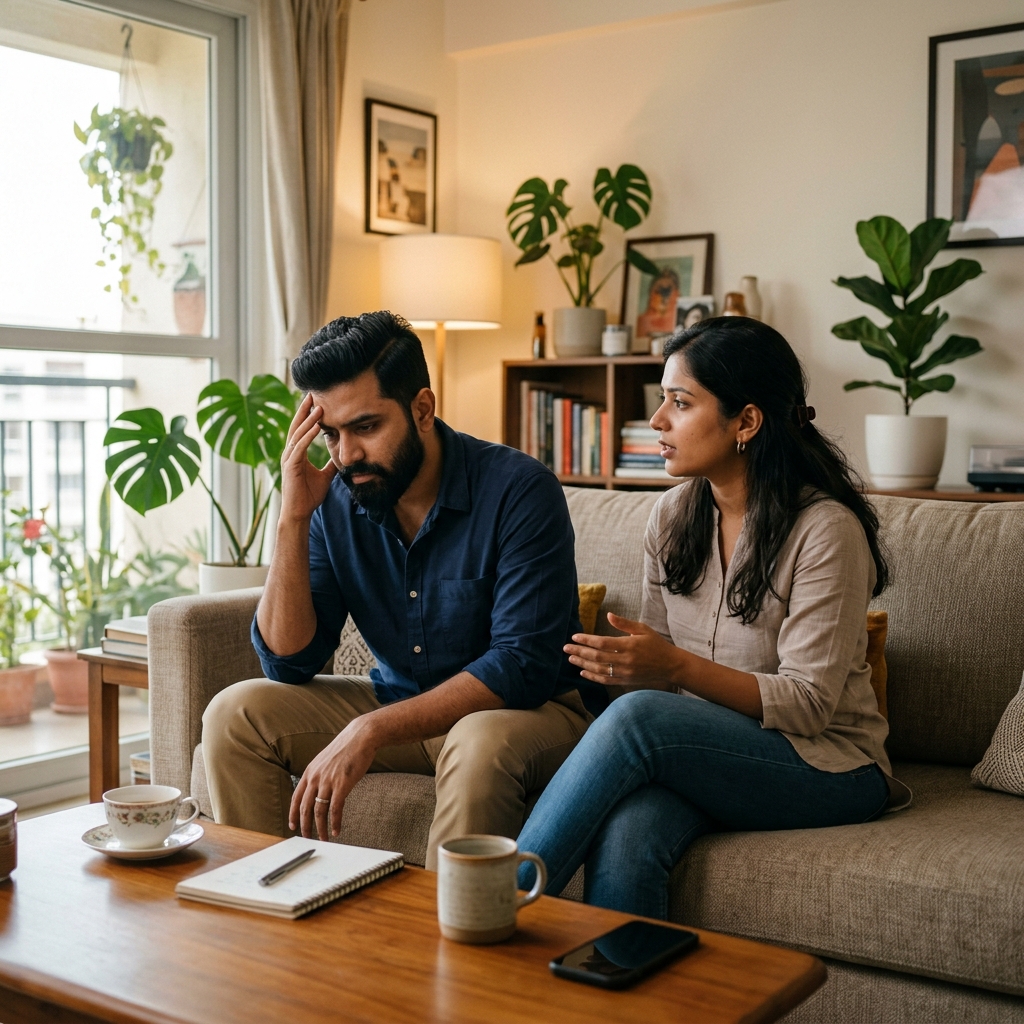
The symptoms of addiction depend on the person and type of addiction. But, there are some common trends that are often found.
Emotional Signs
Many adults experience:
Intense desires or needs
Irritability
Feelings of anxiety when they cannot do the behaviour
Mood changes
Guilt
Emotional distress
Reduced motivation
Behavioural Signs
Some people may experience:
Problems with behaviour control
Multiple unsuccessful efforts to halt
Investing more and more time in the behaviour
Ignoring responsibilities
Going on regardless of the negative results
Loss of interest in other activities
Physical Signs
There may also be addictions that affect physical health. Individuals may experience:
Sleep disturbances
Fatigue
Appetite changes
Low energy
Difficulty concentrating
The symptoms can differ depending on the behaviour or substance.
Social Signs
Relationships and responsibilities can become slowly affected by addiction. Some adults experience:
Family conflicts
Relationship difficulties
Reduced work performance
Social withdrawal
Financial problems
Isolation
These changes could over time impact emotional health and quality of life.
What Causes Addiction?
Addiction typically occurs as a result of a combination of factors involving biological, psychological and environmental influences, rather than just one. Some of the most frequent causes are:
Chronic Stress
Stress can make some coping mechanisms - especially behaviors or substances - more likely to be used in the long-term.
Emotional Difficulties
For some, living with loneliness, anxiety, sadness or emotional distress, can lead to unhealthy coping mechanisms.
Trauma
Emotional wellbeing may be affected by past traumatic experiences and can make people more susceptible to unhealthy coping mechanisms.
Mental Health Conditions
Some people may experience addictive behaviours as well as anxiety, depression, chronic stress or low self-esteem.
Environment
Ease of access to behaviours or substances; family environment; and peer influence may also play a role.
Habit Loops
As with any behavior, repeated behaviours become routine. Through time, the brain starts to link some state, mood or setting to the behaviour, and makes it less easy to refrain from doing or saying something without conscious effort.
Why Early Understanding Matters
Many adults think that they can just "try harder" to end an unhealthy behavior. But there are emotional, behavioral and environmental needs that can make changing your behavior more complicated than simply changing your mind. Identifying unhealthy patterns as early as possible helps people understand the root causes and develop healthier coping responses and find the right help and resources in time to prevent addiction from compromising mental health, relationships, employment and wellbeing.
How Addiction & Unhealthy Habits Can Affect Daily Life
Addiction and poor habits don't just impact one aspect of life. These can have an impact on emotional wellbeing, physical health, relationships, work performance, and quality of life over time.
A lot of adults go on functioning normally in front of others, but in private, they have to deal with some behaviors. A simple practice can slowly become a time, energy and emotional drain. Recognising the different aspects of addiction and how it affects the person's life is a critical step in understanding that they need healthier coping mechanisms and support.
Emotional Wellbeing
Emotional health is often compromised before it's realised that the person is addicted to something. Also some people find that after they engage in the behaviour, they feel a sense of relief, but then feel remorse or disappointment later. This cycle can happen repeatedly over time, making it harder to break unhealthy cycles. Many adults experience:
Irritability
Mood changes
Anxiety
Guilt
Shame
Emotional exhaustion
Unable to control feelings
Relationships
Communication and trust in relationships can slowly be impacted by addiction. Friends and family may also start to see differences in communication, responsibility and emotional availability as the behaviour becomes more repetitive. Some individuals notice:
Increased arguments
Reduced emotional connection
Lack of trust
Family conflicts
Difficulty spending quality time together
Social withdrawal
Career & Productivity
A lot of bad habits can affect productivity in the workplace. Digital addictions can in particular be detrimental to concentration and the way people manage their time, which can have a negative impact on both personal and professional development. Adults may experience:
Difficulty concentrating
Reduced motivation
Procrastination
Missed deadlines
Poor decision-making
Reduced productivity
Physical Wellbeing
Addictive behaviours can have a negative impact on health as well. When people are physically well, they may be better able to self-regulate their emotions and develop healthier habits. Some individuals notice:
Poor sleep
Fatigue
Low energy
Appetite changes
Reduced physical activity
Difficulty maintaining healthy routines
Financial Wellbeing
Some addictions can also cause financial issues. People can get into the habit of spending ever more money on drugs, gambling, online shopping, or digital entertainment and never realize the long-term consequences. Financial stress can then lead to more emotional stress, forming a vicious circle.
Confidence & Self-Esteem
When a bad habit is not successful in stopping, this can slowly impact confidence. These thoughts can then lower self-esteem, and make the idea of change even more challenging. Understanding addiction as a behavioural and emotional problem, not a lack of character, may help to decrease self-blame and promote positive support. As an adult, many people start to think:
Why can't I stop?
I feel something is off with me.
I've failed again.
The Neuro-Ayurveda Approach to Addiction & Behavioural Wellbeing
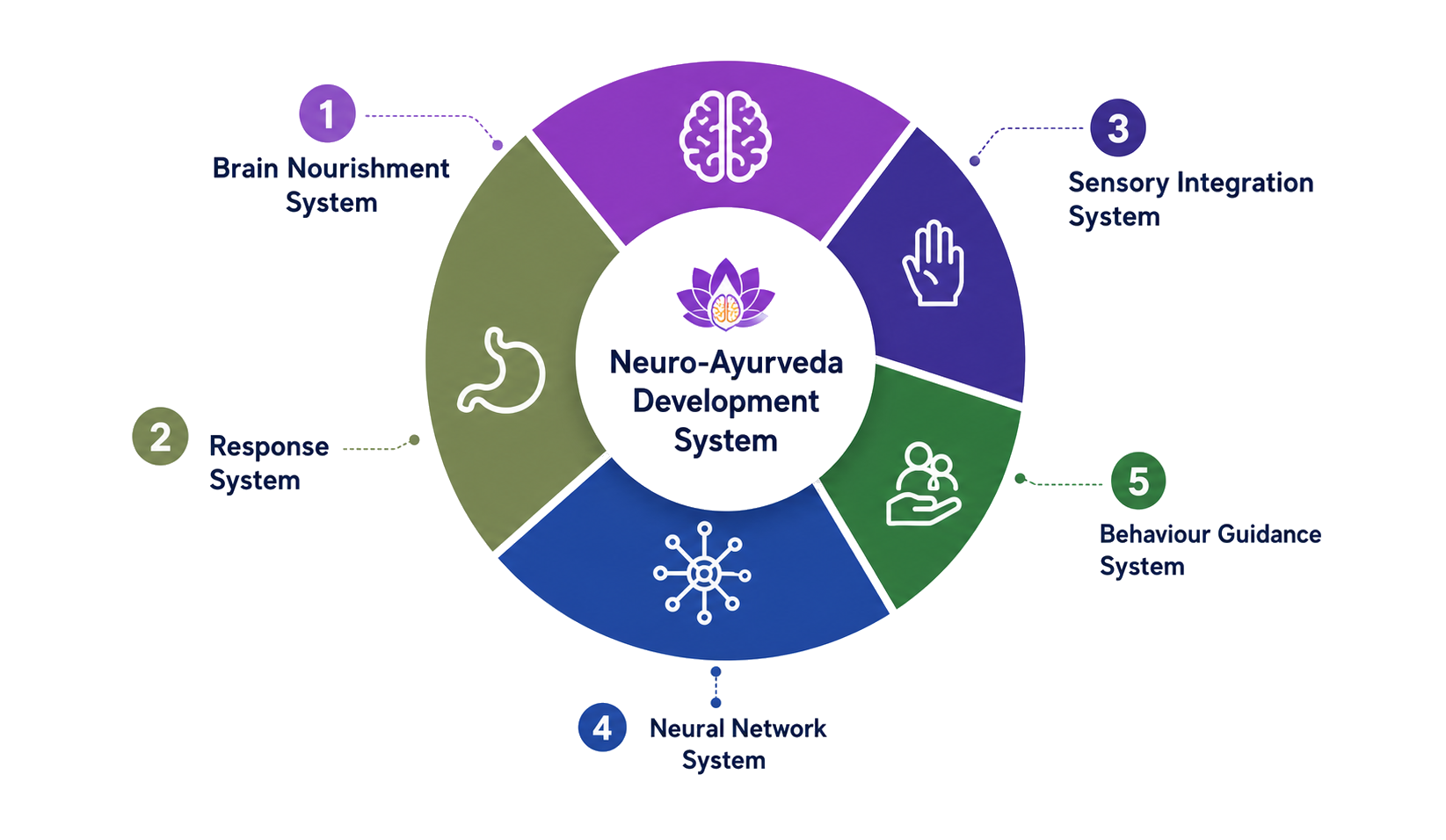
At Manovaidya, addiction is understood through a broader perspective. Rather than focusing only on stopping a behaviour, we aim to understand the emotional, behavioural and lifestyle factors that may contribute to unhealthy habits.
The Neuro-Ayurveda Development System helps people to better comprehend addiction in five interconnected pillars.
How Adults Can Build Healthier Habits
Building healthy habits is generally a long term process - not a quick fix. While the individual is unique, there are some strategies that tend to assist in long-term habit change.
Establish Structured Daily Routines:
Routines decrease the need to make unnecessary decisions and contribute to better behaviour patterns.
Identify Emotional Triggers:
Recognising situations, emotions or environments that trigger unhealthy habits is an important step towards behaviour change.
Rather Than Remove:
Changing unhelpful behaviours to more helpful ones frequently is more effective than attempting to stop a behaviour without an alternative.
Focus on Healthy Sleep:
Healthy sleep helps us to regulate our emotions, focus and make healthy choices.
Keep active:
Physical activity promotes emotional health and well-being, lowers stress levels and promotes a healthy lifestyle.
Develop a Healthy Support System:
The support of family members, trusted friends and qualified professionals can help maintain motivation for making healthier choices.
How Manovaidya supports adults.
At Manovaidya, support is given starting with the individual and not just the addiction or unhealthy habit. A step by step approach with structure and lasting change in mind.
Step 1: Comprehensive Assessment
Knowing behavioural habits, emotional state, lifestyle factors, level of stress, sleeping habits and daily routines.
Step 2: Personalized Guidance
Giving personal suggestions according to the emotional, behavioural and lifestyle needs.
Step 3: Emotional Wellbeing Support
Supporting people to learn about their emotional cues, unhealthy behaviors and healthier responses.
Step 4: Neuro-Ayurveda Development System
Utilizing the 5 pillar approach to understanding emotional wellbeing, behaviour, lifestyle and mind/body balance.
Step 5: Progress tracking & follow-up
Designing a step-by-step plan to track progress, reinforce positive behaviors and promote overall health.
Nothing that can't be made clear, but just temporary relief. We will assist you in recognizing and understanding your emotional cues and help you develop more healthy habits on a deep level.
When Should You Consider Professional Guidance?
When a person finds it hard to stop a habit.When a person cannot control a habit.
Having tried and tried without success
Strong cravings
Affectations of work or relationships that are tied to addiction.
Disinterested in healthy activities
Behaviour continuing despite negative consequences
Emotional upset caused by the behaviour.
A structured evaluation can be useful in determining the emotional, behavioral and lifestyle factors that are affecting the likelihood of addiction and can help develop a personalized path towards more healthy habits and emotional wellness.
We aim to support people to make positive behavioural changes, to become more resilient, have better control, and to live their lives better in the long term.
Why Adults Across India Choose Manovaidya
Becoming successful in breaking an unhealthy habit is not necessarily a simple willpower exercise. There are many times when adults want to decrease or eliminate certain behaviours, but end up repeating the pattern after knowing it affects their health, relationships or daily life.
We know that addiction and unhealthy habits can occur as a result of emotional, behavioural and lifestyle issues at Manovaidya. We're not just concerned with the actions themselves, but the person, the factors that may be contributing to their actions, and offering targeted advice to help them develop better habits in the future.
We want to empower people to become more aware of themselves, emotionally resilient and to create healthier lifestyles which will contribute to lifelong wellbeing.
Our support is based on the following:
Comprehensive Addiction & Habit Assessment
Neuro-Ayurveda Development System
Personalized Guidance
Holistic Mind-Body Perspective
Long-Term Behaviour Change
On-going support & progress tracking.
Adults from Delhi, Noida, Gurgaon, Faridabad, Ghaziabad and all over India reach out to Manovaidya for Addiction & Unhealthy Habits Treatment online and in-cli
About Dr. Ankush Garg
Mental Health & Wellness Specialist
Based in Delhi NCR, Dr. Ankush Garg supports adults and families from across India through structured assessment, personalized guidance and the Neuro-Ayurveda Development System.
His work focuses on Child Development, Teen Mental Wellness, Adult Mental Health, Women's Emotional Wellbeing and Senior Mental Health Support through a structured, personalized and holistic approach.
Many adults experiencing addictive behaviours, unhealthy habits, emotional dependence or difficulty controlling repetitive behaviours seek guidance to better understand the factors influencing their emotional wellbeing and behavioural health. Through structured assessment, personalized guidance, lifestyle recommendations and continuous follow-up, Dr. Ankush Garg helps individuals better understand emotional wellbeing while supporting healthier behavioural patterns through the Neuro-Ayurveda Development System.
Frequently Asked Questions
Addiction is a state of being in which someone has trouble managing the use of a substance or a recurring behaviour even when it's causing them harm. Addiction can be to alcohol, drugs, tobacco, or behaviours, for example, excessive use of the mobile phone, gaming or social media. Addiction can impact on emotional function, interpersonal relationships, functioning at work and life functioning over time.
Finding It Difficult to Break an Unhealthy Habit?
Book a Consultation
Take the First Step Towards Healthy Habits
Book a structured assessment and personalized guidance session with the Manovaidya team.
Book a structured assessment and personalized guidance session with the Manovaidya team to better understand addiction, unhealthy habits and your emotional wellbeing.
Why Trust Manovaidya?
Structured Neuro-Ayurveda Development System
It is essential that the layout of the site includes an assessment before recommendations that is personalised to the individual child.
Online & In-Clinic Consultations: All over India
Holistic Mind-Body Approach
Advice from Dr. Ankush Garg
Emphasize Long-Term Behavioural & Emotional Wellbeing
Make the first step towards healthy habits and emotional wellness.
If you are struggling with digital addiction, smoking and alcohol issues, emotional dependency, or inability to control repetitive behaviors, our team is here to help you understand your concerns and how we can help you in a personalized way.