-CrYNDrPl.png)
Senior Depression Treatment & Support
Depression Treatment for Seniors in India
Supporting Emotional Wellbeing, Hope & Healthy Ageing for Older Adults


Senior Depression Treatment & Support
Key Takeaways
- Depression is not normal ageing
- Persistent sadness needs attention
- Depression affects daily functioning
- Sleep and appetite may change
- Social withdrawal can be significant
- Memory and concentration may suffer
- Loneliness can affect emotional wellbeing
- Early assessment supports better care
- Healthy routines support emotional wellbeing
- Family support plays important role
- Treatment should be individually planned
- Holistic care supports healthy ageing
Want more content like this?
Join our senior emotional wellbeing newsletter for care tips from our experts.
Your privacy is important to us.
Depression Treatment & Support
Supporting Emotional Wellbeing, Hope & Healthy Ageing for Older Adults
As people age, they experience many changes in their lives. Emotional wellbeing can be impacted by retirement, death of loved ones, altered family roles, chronic health issues and limited independence. But, when a person feels sad at difficult times, low mood, loss of interest and feelings of hopelessness are not part of the normal aging process.
Depression is a very common mental health problem in older people, but many people don't realize that it is a depression when the symptoms are confused with ageing or physical illness. It's not always easy for many seniors to express how they feel, and for family members to realize that mood or behaviour changes are not due to age.
Depression can impact more than just the feelings. May affect sleep, appetite, memory, concentration, motivation and physical health. Some seniors gradually become more withdrawn, lose interest in hobbies they used to enjoy or cease from family life. These changes can cause a decline in quality of life and hinder daily functioning.
The great news is that depression is a acknowledged medical condition, not a indication of personal weakness. Many older people can benefit from improvement in their emotional well being and functioning with appropriate assessment, treatment and family support.
We know that emotional well-being is tied to brain health, physical wellness, sleep, lifestyle and/or social interactions at Manovaidya. We take a holistic angle to depression, rather than treating just the symptoms.
Under the leadership of Dr. Ankush Garg, an expert in Autism, ADHD, Child Development & Mental Health in India, Manovaidya gives a neuro-Ayurvedic approach to the Neuro-Ayurveda Development System to provide customised guidance and comprehensive care for individuals and families seeking to understand depression, emotional wellbeing and healthy ageing in an even more comprehensive manner.
Depression in Seniors
Persistent Sadness
Lack of interest in activities
Low Motivation
Loneliness & Social Isolation
Emotional Wellbeing
Healthy Ageing
Family Support
At Manovaidya, Depression Treatment Focuses On:
Depression in Seniors
Persistent Sadness
Loss of interest in daily life activities
Low Motivation
Loneliness & Social Isolation
Emotional Wellbeing
Book a Structured Depression Treatment Assessment
When sadness and/or loss of motivation, and/or withdrawal, and/or disturbances in sleep and eating habits have begun to impact the function of the individual's daily life, it is important to understand what is going on.
Understanding Depression in Older Adults
Understanding Depression Beyond Low Mood
In later life, depression can have an impact on emotions, physical wellbeing, sleep, memory, daily functioning and relationships.
Emotional Wellbeing
Brain Health
Sleep & Routine
Social Connection
Healthy Ageing
Depression isn't a feeling of sadness for a couple of days. It is an illness of the mind which could impact the individual in their thinking, emotions and coping with day to day activities.
For older individuals who are depressed, there might be persistent emotional fluctuations that affect their relationships, physical health and capacity to enjoy the activities of daily living.
The patients who are looking for Depression Treatment for Seniors in India, Depression in Elderly People, Senior Mental Health or Old Age Depression are struggling to find out if these changes are a part of the normal ageing process or a treatable condition.
Early recognition of depression can enable seniors and families to access the right professional advice, understand some of the factors that can contribute to depression and discuss ways in which care can be provided to support emotional wellbeing.
Depression Is Not a Normal Part of Ageing
Do not think that depression is a symptom of old age. If the sadness, hopelessness, or disinterest is ongoing, it should be attended to professionally.
It is believed that the process of depression is a natural part of ageing.
This is not true.
Depression is not an inevitable part of the ageing process, although older people can certainly grieve, lose their jobs and feel sad when they retire, feel unwell physically or have other changes in life.
It's essential to understand that there is a difference between sadness and depression, as early intervention can enhance wellbeing and quality of life.
Sadness vs Depression
Temporary Sadness
Sad following a stressful situation
May be able to do some activities daily.
3. slowly gets better over time and with help
Depression
Persistent low mood
Loss of interest and motivation
Sleep, appetite, concentration or changes in social behavior
Feeling sad after a difficult life event is a normal emotional response.
With depression, the symptoms typically persist over a longer period of time and begin to interfere with everyday functioning.
Temporary Sadness
A person may:
Experience stress and become distressed.
Continue enjoying some daily activities.
Gradually feel better with time and support.
Depression
Someone can suffer from:
Persistent low mood
Loss of interest in previously enjoyable activities
Reduced motivation
Feelings of hopelessness
Changes in sleep or appetite
Difficulty concentrating
Withdrawal from family and friends
If these symptoms persist for weeks and interfere with the normal functioning of daily living, a professional evaluation is suggested.
Common Signs & Symptoms of Depression in Seniors
Emotional Symptoms
Sadness, emptiness, hopelessness, worry or feeling overwhelmed.
Behavioural Changes
Decreased interest, social isolation, decreased activity, and decreased motivation.
Physical Symptoms
Changes in appetite, tiredness, decreased energy, slower movement or lack of interest
Cognitive Symptoms
Low attention span, forgetfulness, decreased attention and slower thought processing.
Depression is a unique experience for each person.
Some older people have emotional symptoms, others have physical or cognitive symptoms.
Emotional Symptoms
There may be a lot of seniors who face:
Persistent sadness
Feelings of emptiness
Hopelessness
Increased irritability
Frequent worry
Feeling emotionally overwhelmed
Behavioural Changes
Some individuals may:
Fascinate, or become so absorbed in an activity that you lose focus.
Avoid family gatherings
Withdraw from friends
Make more time for yourself.
Become less active
Show reduced motivation
Physical Symptoms
Other health problems that can be caused by depression include:
Changes in appetite
Weight changes
Reduced energy
Persistent tiredness
Slower movement
Lack of interest in learning, generally
Cognitive Symptoms
Some seniors notice:
Poor concentration
Difficulty making decisions
Forgetfulness
Reduced attention
Slower thinking
Depression and cognitive disorder can have similar signs, so it's essential to seek a professional evaluation.
What Causes Depression in Older Adults?
Life Changes
Emotional wellbeing might be impacted by retirement, changing family roles, and decreased independence.
Loss & Loneliness
Death can make people vulnerable emotionally, because of grief, loneliness and social isolation.
Health & Sleep
Mood may be affected by chronic conditions, pain, medications and poor sleep.
Depression rarely develops because of a single reason.
There are several biological, psychological and social contributing factors.
Retirement & Life Changes
Retirement can bring about significant changes in one's life and routine, which can have an impact on emotional well-being.
Loss of a Loved One
The emotional vulnerability that can occur after the loss of a husband, wife or close friendship can also be a factor.
Loneliness & Social Isolation
Some older adults might be more susceptible to depression due to limited social interaction.
Chronic Medical Conditions
Having chronic health problems, long-term illnesses, chronic pain or limited mobility can impact emotional health.
Sleep Problems
The relationship between sleep and emotional wellbeing is not just close but sleep problems like poor sleep and insomnia can exacerbate negative feelings.
Anxiety
Long-term anxiety can sometimes be experienced in conjunction with depression, and both will affect one another.
Certain Medications & Health Conditions
Certain health problems or drugs can cause mood and emotional problems.
Why Early Recognition Matters
If depression is not recognised it can have a great impact on quality of life.
Early identification enables seniors and families to pursue the right evaluation, identify the reasons for the problem, and start to receive support for emotional, physical and social care.
Early detection of depression can also minimise the effects on sleep, relationships, physical health and daily functioning.
How Depression Can Affect Daily Life
Depression may affect:
Physical Health
Memory & Concentration
Sleep
Appetite & Nutrition
Relationships & Social Life
Depression has the potential to affect nearly all aspects of a senior's life. Many people think of depression as only being sad but it can impact their physical health, relationships, their routine and their quality of life.
As people get older, some gradually cease to attend activities they previously liked and others are unable to perform simple activities due to low motivation and enduring emotional distress.
Early identification of these changes can help families to access the right support and have a healthy routine that supports emotional health.
Physical Health
Depression may impact not only emotional health, but also physical health.
Some seniors may experience:
Constant tiredness
Reduced energy
Slower physical activity
Changes in appetite
Aches or discomforts for which there is no explanation
Decreased motivation to take care of oneself.Less interest in self-care.
Sometimes these symptoms can be confused with the signs of ageing and a professional evaluation is important.
Memory & Concentration
Depression can impact a person's thinking and memory.
Some individuals notice:
Difficulty concentrating
Forgetfulness
Slower thinking
Trouble making decisions
Reduced attention
It is important to differentiate the symptoms of depression and cognitive disorders to be able to determine the underlying cause.
Sleep
There is a close link between sleep and depression.
Some seniors may:
Often have trouble falling asleep
Wakes several times at night
Get up extra early
Take a large amount of naps throughout the day
Feel tired even after sleeping
Emotional well-being might worsen the ongoing sleep issues, and the other way around, depression can cause disruptions in sleep.
Appetite & Nutrition
Eating behaviour can also be affected by depression.
Some elderly people have:
Loss of appetite
Lack of appetite.Loss of appetite.
Weight loss
Emotional eating
Weight gain
Balanced nutrition is a key aspect of good physical and emotional health.
Relationships & Social Life
Over time, many older adults with depression become less sociable.
They may:
Avoid family gatherings
Stop meeting friends
Become disinterested in hobbies
Like to be alone a lot of the time.
Communicate less than before
Strategies to foster positive relationships can assist seniors in a sense of belonging and emotional support.
Depression vs Dementia
Depression and dementia can be similar to one another, as both can impact on memory, concentration and the daily functioning. Professional assessment will help to determine the underlying cause.
Sometimes depression and dementia appear the same because they can both impact on memory, concentration and normal functioning.
They're, however, various conditions.
Depression
Depression sufferers tend to have:
Persistent low mood
Loss of interest
Reduced motivation
Sleep changes
Difficulty concentrating
Feelings of hopelessness
Memory problems associated with depression can be improved if depression is treated properly.
Dementia
In a person with dementia, there is a gradual loss of cognitive (thinking) function that develops over time, impacting memory, thinking abilities, communication and daily functioning.
Dementia is different to depression in that it is more likely to have changes in brain function which may become more noticeable over time.
Symptoms may overlap, so a professional evaluation is necessary to get an accurate diagnosis.
The Neuro-Ayurveda Development System
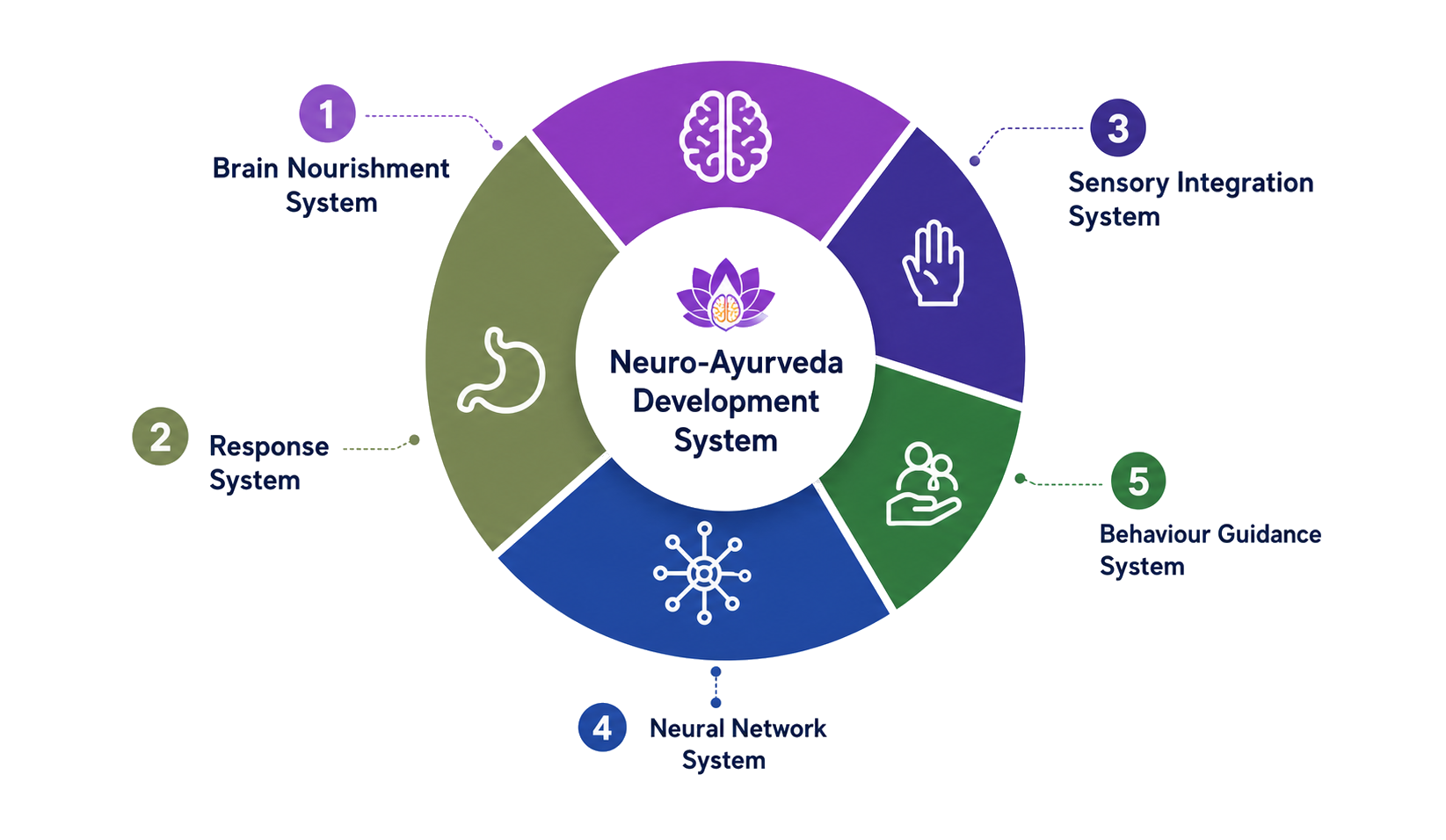
Brain Nourishment System
Gut Response System
Neural Network System
Sensory Integration System
Behaviour Guidance System
Emotional wellbeing is seen holistically at Manovaidya.
Neuro-Ayurveda Development System looks at brain health, physical wellbeing, lifestyle habits and emotional resilience not just on the basis of mood.
Brain Nourishment System
Good brain health promotes:
Emotional balance
Memory
Attention
Decision-making
Cognitive wellbeing
Mental resilience
Supporting nourishment to the brain is a vital element of emotional wellness.
Gut Response System
Growing research continues to explore the relationship between gut health and emotional wellbeing.
Mood and energy levels may be affected by nutrition, digestion and general physical health. Maintaining health in body systems helps promote wellbeing.
Neural Network System
Mental activity is important for maintaining cognitive and emotional well-being.
Reading, talking, learning new skills, and engaging in meaningful hobbies can help to keep the mind stimulated and engaged.
Sensory Integration System
Positive experiences in the senses can help with emotional wellbeing.
Music, fresh air, creative pastimes and routine can be important ways that seniors can feel emotionally connected to the world around them.
Behaviour Guidance System
Depression can manifest itself in behaviour.
Some of the seniors' might experience:
Less motivated
Socially withdrawn
Easily irritated
Emotionally sensitive
Less active
Not keen on routine activities
It's important to acknowledge these shifts in behavior with compassion and not judgement.
Supporting Emotional Wellbeing in Later Life
Stay Socially Connected
Remain Physically Active
Establish a daily routine.Set up A Daily Routine.
Eat a Balanced Diet
Prioritise Good Sleep
Continue Enjoyable Activities
Emotional wellbeing can be fostered with healthy daily habits as well as proper medical treatment.
Stay Socially Connected
Talk with family, friends and community members regularly may help to diminish feelings of loneliness.
Remain Physically Active
Walking, stretching, yoga and other appropriate activities promote well being for both physical and emotional health.
Adhere to a daily routine
Maintaining regular sleep, meal and activity schedules may help give structure and emotional stability.
Eat a Balanced Diet
Healthy foods contribute to good health, energy and wellbeing.
Prioritise Good Sleep
Quality sleep is a critical component in regulation of emotions and mental wellbeing.
Continue Enjoyable Activities
Hobbies such as hobbies, music, gardening, reading, and spiritual or community activities can keep seniors engaged and give them a sense of purpose.
Seek Professional Support
If low mood, loss of interest or emotional distress is persistent, seek the advice of a competent health professional. If a senior indicates that they might hurt themselves, think about hurting others, or if they seem immediately threatened to hurt themselves or others, get immediate emergency medical assistance.
How Manovaidya supports seniors
Step 1: Comprehensive Assessment
Step 2: Personalized Guidance
Step 3: Healthy Ageing Guidance
Step 4: Neuro-Ayurveda System
Step 5: Family Guidance
At Manovaidya, the first step is to be familiar with the person and not just the symptoms.
We have a systematic approach that involves:
Step 1: Comprehensive Assessment
Awareness of emotional wellbeing, lifestyle habits, quality of sleep, physical health, cognitive concerns and family situations.
Step 2: Personalized Guidance
Making personalised suggestions to meet emotional, physical and lifestyle requirements for each senior.
Step 3: Emotional Wellbeing & Healthy Ageing Guidance
Supporting seniors and families to understand depression, emotional health and practical lifestyle strategies to support overall wellbeing.
Step 4: Neuro-Ayurveda Development System
Using the 5 pillars to explore emotional wellbeing, brain health, behaviour and healthy ageing.
Step 5: Progress Tracking & Family Guidance
Offering organized follow-up to support seniors and caregivers track progress over time, establish healthy habits, and make decisions.
When Should You Consider Professional Guidance?
Professional guidance should be considered if a senior:
Is sad or hopeless for a long time, for weeks.
Becomes bored with once interesting activities.
Withdraws from family and social activities.
Changes sleep or eating habits.
Continued fatigue and/or decreased motivation.
Has trouble remembering or focusing.
Demonstrates emotional changes which disrupt functioning.
Early assessment may enable the identification of depression, its differentiation from other medical and cognitive conditions and enable the provision of suitable care that meets the individual need.
We aim to support the emotional health and well-being of seniors and families by educating them about depression, and provide them with helpful, individualised advice and information.
Why Families Across India choose Manovaidya
A full Wellbeing Assessment for emotion.
Neuro-Ayurveda Development System
Personalized Guidance
A Whole Person Emotion Perspective
Addressing the questions of confidence, purpose and quality of life.
They offer a continuous support and family guidance service.
Depression that occurs in an older person usually comes slowly. Sometimes seniors don't show their emotions and families might only see a slight change like not being as outgoing as usual, less interest in hobbies, or irregular sleeping patterns and reduced energy.
We know that sleep, relationships, lifestyle and life experiences, physical health and brain function are all related to emotional wellbeing in later life and at Manovaidya we know that all these factors have a significant impact on each other. Our focus is not only on symptoms, but also on the whole person and the issues that they are facing.
We provide information and advice on mental well-being to older people and families through structured assessment, personalised advice and a holistic approach to help them better understand emotional health and to support good health and wellbeing throughout the life course.
Comprehensive Emotional Wellbeing Assessment
Depression is unique for each senior.
Some individuals may experience:
Persistent sadness
Loss of motivation
Social withdrawal
Changes in sleep
Changes in appetite
Low energy
Difficulty concentrating
Feelings of loneliness
The structured assessment helps us to understand:
Emotional wellbeing
Daily routine
Sleep quality
Lifestyle habits
Physical health
Cognitive concerns
Family relationships
Social support
Personal goals
A healthcare provider should only develop personalised guidance after creating guidance as a group.
Neuro-Ayurveda Development System
Manovaidya follows the Neuro-Ayurveda Development System – a structured approach that recognizes emotional well-being with five pillars.
Brain Nourishment System
Gut Response System
Neural Network System
Sensory Integration System
Behaviour Guidance System
This is a guide to help seniors and families recognize that things such as biological, emotional and lifestyle factors could affect their mood, resilience and mental wellbeing.
Personalized Guidance
The process of emotional health is unique for each person.
Recommendations are personalised according to:
Emotional concerns
Lifestyle habits
Sleep quality
Nutrition
Physical health
Cognitive wellbeing
Family support
Daily routine
Personal goals
This personalised approach ensures that guidance is not based on a standard plan, but rather taking into account each senior's individual needs.
Holistic Emotional Health Perspective
Many areas of health are linked to healthy emotional wellbeing.
We take into account the connections among:
Emotional wellbeing
Brain health
Sleep quality
Nutrition
Physical activity
Lifestyle habits
Social connection
Healthy ageing
To offer a wider insight into mental wellbeing in older age.
Focus on Confidence, Purpose & Quality of Life
To provide a pathway and return to purpose for seniors, to ensure they have meaningful relationships and are more emotionally well and to retain their independence and dignity.
We also help families to develop supportive home environments where there is a space for communicating, participation and emotional connection, when appropriate.
Ongoing Support & Family Guidance
Emotional wellbeing can vary over time.
Emotional changes are monitored regularly and progress is structured, allowing seniors and caregivers to understand change and continue to build healthy routines and make decisions based on their needs.
Why Families Across India Trust Manovaidya
Manovaidya's team of doctors offers online and in-clinic consultations to families from Delhi, Noida, Gurgaon, Faridabad, Ghaziabad and all of India for Depression Treatment for Seniors, Emotional Wellbeing Guidance and Senior Mental Health Support.
Frequently Asked Questions
Depression in older people is a mental problem in which mood, thinking, feelings and functioning are affected. It's not just a few days of sadness. Depression in seniors can manifest as a sad or depressed mood, loss of interest, lack of motivation, changes in eating and sleeping habits and a decrease in enjoyment in daily living. Depression is a recognised medical condition and not a part of ageing.
Book a Consultation
Book a Consultation
Support Emotional Wellbeing With the Right Guidance
Book a structured assessment and personalized guidance session with the Manovaidya team.
Book a structured assessment and personalized guidance session with the Manovaidya team to better understand depression, emotional wellbeing, healthy ageing and senior mental health.
Whether your concerns relate to depression, loneliness, emotional distress or maintaining positive mental health during ageing, our team is here to help you explore personalised support.
Take the First Step
Depression Treatment Assessment
Personalized Emotional Wellbeing Guidance
Family Support
Neuro-Ayurveda Development System
Healthy Ageing Planning
Book Your Consultation with Manovaidya Today
Manovaidya Clinic
Noida, Uttar Pradesh, India