-CrYNDrPl.png)
Senior Cognitive Care
Confusion & Disorientation Treatment for Seniors in India
Helping Seniors Understand Confusion, Disorientation & Cognitive Wellbeing


Senior Cognitive Care
Key Takeaways
- Understanding Confusion and Disorientation
- Normal Ageing vs Cognitive Confusion
- Temporary and Persistent Confusion
- Delirium, Dementia and Alzheimer’s
- Common Signs of Disorientation
- Causes of Confusion in Seniors
- Impact on Independence and Safety
- Supporting Healthy Cognitive Function
- Neuro-Ayurveda Cognitive Wellbeing Approach
- Manovaidya Assessment and Support Process
- When Urgent Medical Care Matters
- FAQs About Confusion in Seniors
Want more content like this?
Join our senior cognitive health newsletter for care tips from our experts.
Your privacy is important to us.
Senior Cognitive Health
Helping Seniors Understand the Confusion, Disorientation & Cognitive Wellbeing
Forgetfulness can happen from time to time as one gets older. It should not be overlooked, though, when an older person is often confused, not knowing where familiar places are, not knowing time or understanding everyday situations.
A senior's confusion and disorientation can impact their sense of confidence, independence and quality of life. Others lose track of time, don't know where they are, don't remember the day or date, can't follow conversations, or may be unable to make simple decisions that once came easily. These changes are upsetting to seniors as well as to their families and caregivers.
To grasp the fact that confusion in seniors can stem from a wide variety of causes. Other causes may be temporary and curable such as dehydration, infection, side effects of medications, insufficient sleep, vitamin deficiency or metabolic disorders. Others can have a neurological cause, like delirium, dementia or Alzheimer's. Since causes can differ significantly, medical evaluation is necessary to find out the cause.
Any sudden confusion is not a normal part of getting older. In some cases, it might indicate a serious health issue where immediate medical attention is needed.
At Manovaidya, we understand that healthy ageing means ensuring cognitive wellbeing as well as emotional health, daily functioning and overall quality of life. Knowing what causes this confusion can lead seniors and families to make decisions and get wise advice.
Under the guidance of Dr. Ankush Garg, Autism, ADHD, Child Development & Mental Health Specialist, India, Manovaidya adheres to the Neuro-Ayurveda Development System to ensure that seniors and their families better understand what confusion and disorientation means, and the many factors that affect the healthy cognitive ageing process.
At Manovaidya, Confusion & Disorientation Treatment Focuses On:
Confusion in Older Adults
Disorientation
Sudden Confusion
Thinking Difficulties
Cognitive Changes
Delirium Awareness
Dementia Awareness
Healthy Brain Ageing
Understanding Confusion & Disorientation
Confusion is a state of uncertainty in thinking, comprehending information, making decisions or appropriately responding to situations.
Disorientation is the inability to identify time, place, surroundings and sometimes even people. The person could lose touch with time, place or become confused about familiar places.
Confusion is a normal part of ageing but can occur from time to time, and if it is persistent or sudden, it needs to be evaluated. They should not be immediately taken to mean that there is dementia as there can be many medical conditions that cause such changes.
Families concerned about Confusion in Elderly People, Disorientation in Seniors, Mental Confusion in Older Adults or Cognitive Changes in Ageing are often seeking accurate information to understand the meaning of these symptoms and when seeking help is advisable.
Normal Ageing vs Confusion
As a person ages, his or her memory and processing speed will naturally begin to change, but not to the degree that it causes significant confusion.
Normal Age-Related Changes
Often, healthy seniors may experience a variety of things, such as:
Has trouble recalling names.
Misplace everyday items.
Requires reminders for appointments.
Pipe your knowledge of new technology at a slower pace.
Pause briefly while searching for the right word.
These changes typically do not affect one's ability to live independently at home.
Confusion That Needs Attention
If a senior: Professional assessment is recommended if:
Frequently becomes confused about time or place.
Has difficulty following a simple conversation.
Is abnormally sleepy or hard to wake.
Has trouble recognising familiar surroundings.
Becomes increasingly disoriented.
Experiences sudden changes in thinking or behaviour.
Many things can cause these symptoms and they shouldn't be overlooked.
What is the difference between Temporary and Persistent Confusion?
There are different causes of confusion.
Temporary Confusion
There may be temporary confusion because of:
Dehydration
Fever
Medication side effects
Poor sleep
Low blood sugar
Acute illness
Stress
Among the many causes of short term illnesses, are those that are improved when the underlying cause is identified and treated.
Persistent Confusion
Confusion that slowly worsens or persists over time may need thorough medical evaluation to determine if any neurological or other medical issues are causing the confusion.
Delirium, Dementia & Alzheimer's Disease
This can lead to misunderstanding and a mix up of these terms, but they refer to different conditions.
Delirium
Delirium is a rapid onset of attention and thinking changes that occur in hours to days. It may be caused by a previous medical disease, such as an infection, dehydration, side effects from a medicine or sickness. Delirium can be a medical emergency, so there is a need to evaluate the sudden onset of confusion promptly.
Dementia
Dementia describes a collection of conditions which over time and over time affect memory, thinking, communication and daily functioning.
Alzheimer's Disease
Alzheimer's disease is the biggest risk factor of dementia, however, this is not the only cause of dementia. Knowing these differences helps families to not make assumptions and promotes early medical evaluation.
Common Signs & Symptoms of Confusion
One or more areas of everyday functioning may be confused.
Thinking Difficulties
Some seniors experience:
Difficulty concentrating
Slower thinking
Poor judgement
Difficulty understanding conversations
Trouble following instructions
Difficulty making decisions
Disorientation
There are people who get lost as to:
Time
Date
Place
Familiar surroundings
Daily schedules
Behavioural Changes
Some seniors may:
Restate the same questions
Become restless
Feel anxious
Withdraw socially
Become unusually irritable
Show reduced confidence
Daily Life Changes
Over time, confusion can become a problem and make it difficult with the following activities:
Taking medicines correctly
Preparing meals
Managing finances
Keeping appointments
Following conversations
Doing familiar household activities
What Causes Confusion in Seniors?
There are various causes of confusion.
Dementia is not the cause of all cases of confusion.
Some common causes include:
Dehydration
Water balance can become easily disturbed in the older age group, possibly impairing cognition and alertness.
Infections
Sometimes older people experience confusion due to urinary tract infections, chest infections and various other diseases.
Medication Side Effects
Certain medications can affect alertness, focus or thinking.
Poor Sleep
Lack of or poor sleep can impact attention and cognitive function.
Depression & Anxiety
Emotional health disorders can affect attention, memory and judgment.
Vitamin Deficiencies
Some vitamin deficiency can lead to cognitive changes, such as a vitamin B12 deficiency.
Thyroid Disorders
Changes in thyroid function may affect energy levels, concentration and thinking.
Delirium
Any sudden confusion that happens due to a medical illness needs immediate medical evaluation.
Dementia
Growing neurological disorders can have a gradual impact on thinking, reasoning and orientation.
Alzheimer's Disease
One of the potential causes of progressive cognitive deficits is Alzheimer's disease, which should be thoroughly evaluated.
Why Early Understanding Matters
Some families think that it is OK that they are mixing up when they are getting older.
But if a person keeps on being confused or suddenly becomes confused, it should not be overlooked. Early assessment can assist in the identification of reversible medical conditions, timely intervention and appropriate advice for seniors and their families.
Detecting changes in cognition early also helps to ensure independence, safety and better quality of life.
How Confusion & Disorientation Can Affect Daily Life
Confusion is more than just a loss of memory. It may impact on a senior's thought, speech, everyday living and his or her independence.
Others may have a few times of confusion, others may see some changes that start to have an impact on their confidence and routine little by little. Families may notice their family member is more reliant, hesitant, and/or anxious to do tasks he or she used to know.
Early recognition of these changes enables families to provide timely and appropriate support and, if needed, seek medical evaluation.
Independence
Older adults appreciate their independence and the ability to perform daily activities. Over time, confusion can make it more challenging to:
Follow daily routines
Remember appointments
Take medications correctly
Prepare meals safely
Manage finances
Organise personal belongings
Do familiar home chores
Emotional Wellbeing
Emotional health can also be impacted by confusion. Many seniors experience:
Frustration
Anxiety
Embarrassment
Reduced confidence
Lack of confidence
Be careful not to get addicted to the drug.
Relationships
Senior citizen confusion can alter the manner in which the individual interacts with family members and friends. Sometimes a family member finds they notice that their loved one:
Repeats the same questions
Has trouble hearing and understanding what is said
Misunderstands situations
Easily go off task
Needs frequent reassurance
Comes across as avoiding social interactions
Daily Activities
Clear thinking is required for numerous day-to-day duties. Confusion can affect:
Shopping
Cooking
Managing money
Following instructions
Remembering important dates
Travelling independently
Using mobile phones or other technology
Safety
There is an increased risk of accidents or unsafe situations if there is confusion. Families should be concerned if an older adult:
Ensures appliances are turned off
Misses important medications
Wanders wanders from familiar places
Has difficulty recognising emergencies
Becomes confused while crossing roads
Is unable to recall emergency contact information
The Neuro-Ayurveda Approach to Healthy Cognitive Wellbeing
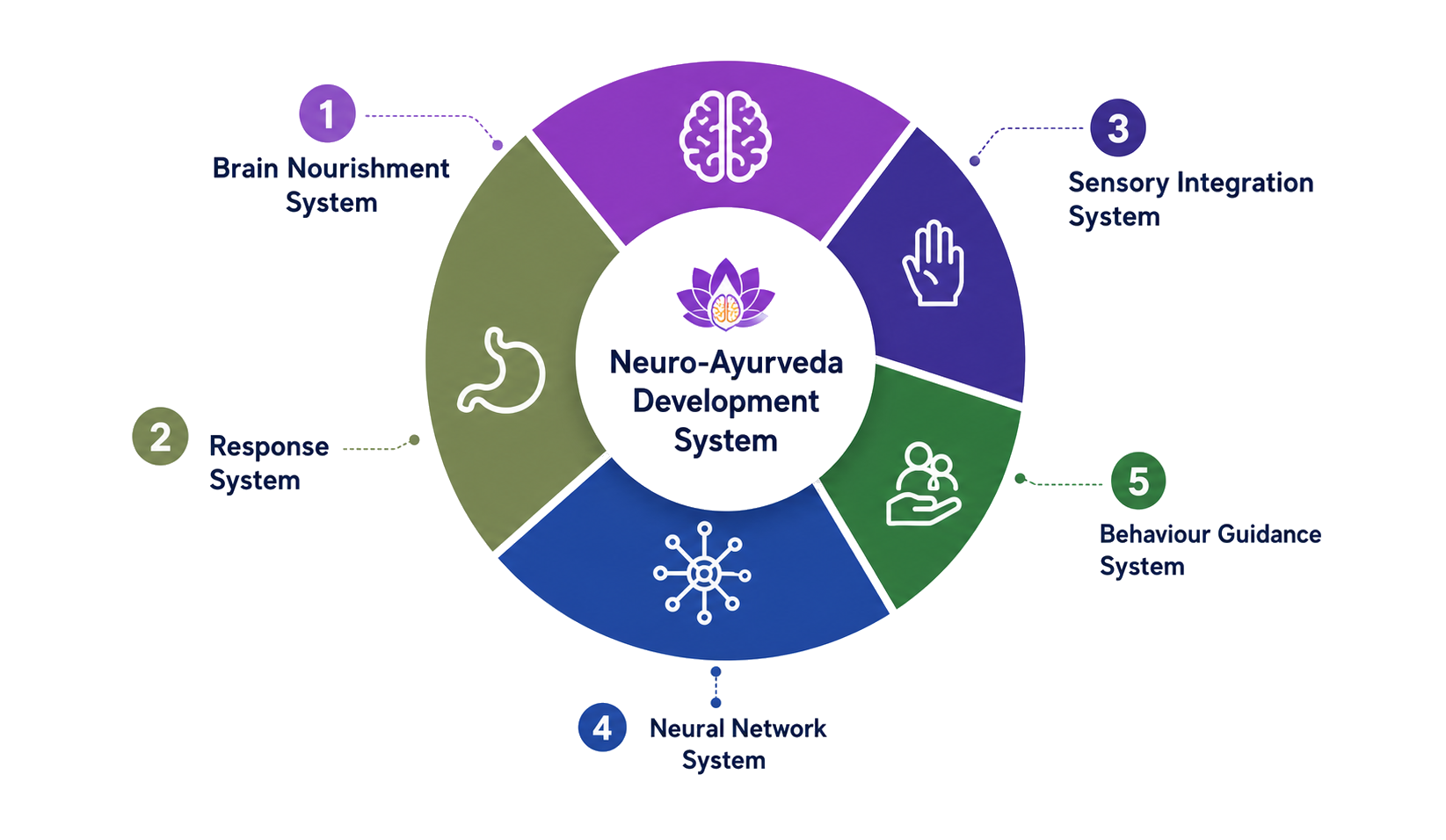
Cognitive wellbeing is considered in Manovaidya from a holistic approach.
The Neuro-Ayurveda Development System is not just about confusion but about the multitude of factors that could impact thinking, emotional health, behavior and healthy aging.
While the brain undergoes changes throughout life, certain healthy lifestyle practices can help maintain cognitive health.
Stay Well Hydrated
Dizziness and confusion in older persons may be due to dehydration and this is a common and often unrecognized cause. Plenty of hydration all day helps maintain overall health and cognitive function.
Prioritise Healthy Sleep
Sleep promotes concentration, memory and mental clarity.
Eat a Balanced Diet
Fruits and vegetables, whole grains, healthy fats and sufficient protein are all nourishing components of a healthy meal which contributes to healthy living and healthy ageing.
Stay Mentally Active
The mind is stimulated with reading, puzzles, board games, new hobbies and frequent talking.
Remain Physically Active
Physical and cognitive wellbeing is supported through the use of walking, stretching, yoga and other age appropriate activities.
Maintain Familiar Routines
Establishing routines daily can help minimize confusion and create a sense of security.
Regular Medical check-ups
Periodic medical care can assist identify well being issues that could lead to confusion or cognitive modifications.
How Manovaidya Supports Seniors
At Manovaidya, support is not about only confusion, but understanding of the person.
We have a clear process which covers:
Step 1: Comprehensive Assessment
Awareness of cognitive issues, emotional health and well-being, lifestyle factors, sleep patterns, nutrition, and medications and daily functioning.
Step 2: Personalized Guidance
Offering the customized recommendations that are planned specifically for every senior based on their cognitive, emotional and lifestyle requirements.
Step 3: Brain Health & Emotional Wellbeing Support
Support for older people and families to understand confusion and problems with orientation, and practical strategies to help everyday living.
Step 4: Neuro-Ayurveda Development System
Using the five pillars approach to understanding cognitive wellbeing, behaviour, lifestyle and healthy ageing.
Step 5: Progress Tracking & Family Guidance
Developing a plan that structures the process for seniors and caregivers to be aware of changes, reinforce healthy habits, and promote ongoing good health.
When Should You Consider Professional Guidance?
If a senior, you should seek professional advice:
Frequently becomes confused about time or place.
Experiences abrupt changes in mental status/confusion.
Has trouble keeping up in conversations.
Has difficulties with basic daily tasks.
Shows noticeable changes in behaviour or personality.
Shows confusion which impairs independence or safety.
Has developing worsening cognitive symptoms.
The structured evaluation may help to identify potential contributing factors and help direct appropriate next steps.
If there is sudden confusion, it is severe and can be accompanied by other symptoms like weakness, difficulty talking, fever, chest pain or loss of consciousness, it is necessary to immediately seek emergency medical attention because it can be a sign of a serious medical condition.
We want to support healthy cognitive ageing and enhance quality of life for elderly and their families, and help them understand what is going on when they are confused, in a way that is compassionate and personal.
Why Families Across India Choose Manovaidya
A senior's confusion or disorientation can be troublesome for seniors and their families. Minor shifts in thought, attitude and/or decision making may trigger safety, independence and health issues in thinking.
While in Manovaidya we know that not every confusion is caused by the same reason. Some episodes can be temporary and affect dehydration, infections, medications or sleep disorders but others could be linked to age-related cognitive issues. We do not assume anything but look at the person as a whole.
We want to support seniors to maintain their dignity, confidence and highest possible quality of life using a structured assessment, personalised guidance and holistic approach.
Comprehensive Cognitive & Orientation Assessment
All seniors go through cognitive changes to one degree or another. We then assess cognitive, functional, emotional, sleep, lifestyle, nutritional, medication, family and personal support concerns so we can provide personalised guidance.
Frequent confusion
Lack of orientation (on familiar places)
Misorientation of time or date
Trouble following conversations
Reduced attention
Behavioural changes
Emotional distress
Difficulty managing everyday activities
Neuro-Ayurveda Development System
Manovaidya applies the Neuro-Ayurveda Development system which is a systematic model to healthy cognitive ageing with five pillars.
Brain Nourishment System
Gut Response System
Neural Network System
Sensory Integration System
Behaviour Guidance System
Personalized Guidance
All people are unique. Recommendations are tailored to cognitive issues, emotional health, lifestyle, sleep patterns, daily habits, diet, medical conditions, and individual objectives.
Cognitive concerns
Emotional wellbeing
Lifestyle habits
Sleep quality
Daily routine
Nutrition
Medical history
Personal goals
Holistic Cognitive Health Perspective
Healthy ageing is about more than just preserving memory. We take a holistic approach to brain health, emotional well-being, nutrition, lifestyle choices, sleep patterns, physical activity and social interactions.
Brain health
Emotional wellbeing
Nutrition
Lifestyle habits
Sleep quality
Physical activity
Social engagement
Focus on Independence & Healthy Ageing
We aim to support seniors in staying as independent as they can, and to provide for healthy cognitive functioning, emotional health and confidence in the functioning of everyday life.
Independence
Healthy cognitive function
Emotional wellbeing
Confidence
Supportive routines
Ongoing Support & Family Guidance
As seniors' needs evolve over time, regular follow-up and structured progress tracking support seniors and caregivers to track change, reinforce healthy routines and make informed decisions.
Regular follow-up
Structured progress tracking
Caregiver support
Healthy routines
Informed decisions
Why Families Across India Trust Manovaidya
Manovaidya connects with families from Delhi, Noida, Gurgaon, Faridabad, Ghaziabad and across India for online and in-clinic consultations to offer them Confusion & Disorientation Treatment, Healthy Cognitive Ageing Guidance and Senior Mental Health Support.
Why Trust Manovaidya?
Structured Neuro-Ayurveda Development System
Tailored Assessment Prior to Recommendation
Senior-Focused Holistic Care
Online & In-Clinic Consultations in India
Instructed by Dr. Ankush Garg
Family-Centred Support
Focus on Healthy Cognitive Ageing
About Dr. Ankush Garg
Dr. Ankush Garg
Autism, ADHD, Child Development & Mental Health Specialist in India
Dr. Ankush Garg is the Founder of Manovaidya and the Developer of the Neuro-Ayurveda Development System.
His work extends across Child Development, Adult Mental Health and Senior Mental Health, with a focus on understanding the relationship between brain health, emotional wellbeing and overall quality of life.
Many families seek guidance when an older loved one experiences confusion, disorientation or changes in thinking. Through structured assessment, personalised guidance, lifestyle recommendations and continuous follow-up, Dr. Ankush Garg helps seniors and families better understand cognitive concerns while supporting healthy ageing through the Neuro-Ayurveda Development System.
Based in Delhi NCR, Dr. Ankush Garg supports seniors and families across India through structured assessment, personalised guidance and holistic mental health care.
Based in Delhi NCR, Dr. Ankush Garg supports seniors and families across India through structured assessment, personalized guidance and the Neuro-Ayurveda Development System.
Frequently Asked Questions
There are numerous reasons for confusion in the elderly. Dehydration, urinary tract infections (UTIs), side effects of medications, inadequate sleep, vitamin deficiencies, thyroid issues, depression, anxiety and neurological diseases like dementia are common causes. Sudden confusion in some cases can be a medical emergency and a very serious condition. As a result of the various causes, it is essential to have a good medical evaluation to find out what the cause is.
Book a Consultation
Book a Consultation
Support Healthy Brain Ageing With the Right Guidance
Book a structured assessment and personalized guidance session with the Manovaidya team.
Need to be concerned about confusion or disorientation in self or someone you love?
When confusion, difficulty recognising familiar places, changes in thinking and/or disorientation have begun to impact daily life, it's important to understand the cause.
We assist the senior and family to understand the changes in the brain with a structured assessment, personalised guidance and the Neuro-Ayurveda Development System at Manovaidya.
Make an appointment to assess today!
Book Consultation
Speak With Our Team
Get Personalized Guidance
Confusion & Disorientation Treatment
Healthy Cognitive Ageing Guidance
Promote Healthy Cognitive Ageing With the Right Guidance
Manovaidya Clinic
Noida, Uttar Pradesh, India