-CrYNDrPl.png)
Digestive Wellbeing
Stress & IBS Treatment in India
The Connection Between Stress, Irritable Bowel Syndrome (IBS) and the Gut-Brain Connection.

Digestive Wellbeing
Key Takeaways
- Understanding Irritable Bowel Syndrome (IBS)
- Stress & IBS Connection
- Understanding the Gut-Brain Axis
- Common Symptoms & IBS Patterns
- Stress-Related Digestive Changes
- Emotional Wellbeing & Digestive Health
- Warning Signs That Need Medical Evaluation
- Lifestyle & Nutritional Support for IBS
- Stress Management & Healthy Daily Habits
- Neuro-Ayurveda Gut-Brain Approach
- Manovaidya Stress & IBS Assessment Process
- Personalized Mind-Body Wellbeing Support
- FAQs About Stress & IBS
Want more content like this?
Join our mind-body health newsletter for IBS and gut-brain wellbeing guidance.
Your privacy is important to us.
Understanding Stress & IBS
Irritable Bowel Syndrome (IBS) is a digestive disorder which causes problems with one's digestive system. Symptoms of IBS can include bloating, a change in bowel movements and cramps or pain in the abdomen that can occur in any frequency or length.
The gut and the brain are continuously communicating and this is referred to as the gut-brain axis. There is a close link between the gut and the brain making it possible that emotional stress can also aggravate IBS symptoms, and that as digestive symptoms continue, quality of life can deteriorate.
However, not everyone with IBS has a psychological illness and not everyone who is stressed becomes an IBS sufferer. IBS is a complicated syndrome that may vary in presentation and severity, and is caused by alterations in gut function, stress and other health and lifestyle related issues.
Unlike most digestive health products, at Manovaidya we take the time to recognize the full picture behind emotional wellbeing, gut health and lifestyle, not just digestive symptoms. We are using the Neuro-Ayurveda Development System led by Dr. Ankush Garg (Mental Health Specialist & Founder of Manovaidya). This is a five pillar structured approach to the brain, gut and health related behaviour/lifestyle and supports mind-body wellbeing.
What is Irritable Bowel Syndrome (IBS)?
IBS is a disorder of the gastrointestinal system that alters the function of the digestive system. Individuals with IBS may not have any damage to the digestive system but have a lot of digestive symptoms.
Although some people can have tolerable symptoms, others have symptoms that interfere with their daily life
The diagnosis is made following the evaluation of symptoms by a medical practitioner
The Gut-Brain Connection and IBS
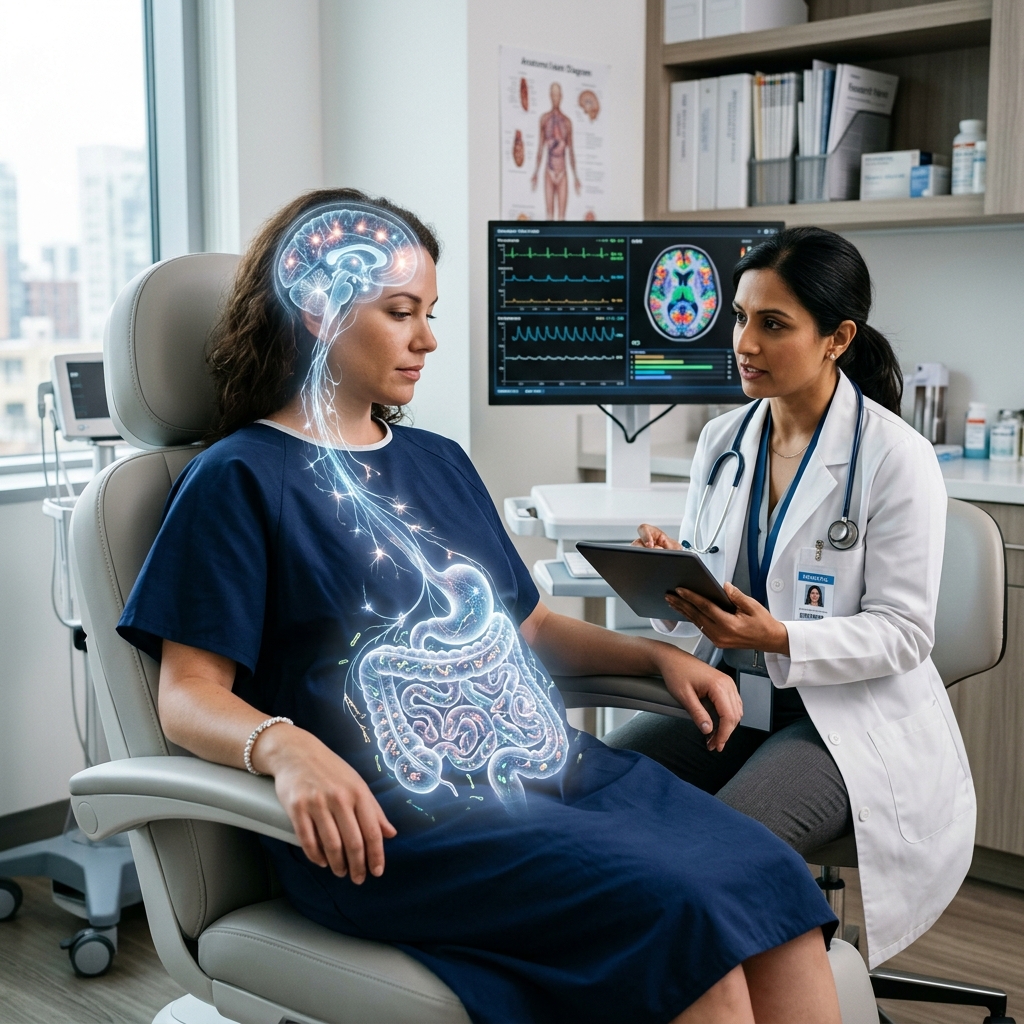
The gut-brain axis is a two-way system that involves the brain and the gut, which are connected by the nervous system, hormones, and the immune system.
This communication system is responsible for the regulation of many functions of the digestive system, such as: Gut motility, Sensitivity of the digestive system, Appetite, Stress and emotional responses.
Advancements in gut-brain research have given us the opportunity to gain a deeper understanding of the importance of emotional wellness as a valid and essential piece of digestive health. Stress can often exacerbate IBS symptoms, as this communication can be constant for patients with IBS.
Common Symptoms of IBS

IBS symptoms are subjective and can be reported in numerous ways. Some of the more common symptoms that are reported are:
Girth, bloating.
Other gastrointestinal diseases may give similar symptoms to IBS. A medical practitioner's evaluation and assessment of symptoms is vital to an accurate diagnosis.
Who Experiences IBS Symptoms with Increased Stress?
IBS Symptoms often worsen for some people during increased workplace or family stress, during/after major life changes, due to anxiety and emotional distress, and from other busy lifestyles and activities.
Why Emotional Wellbeing Matters in IBS
Unpredictable symptoms causing emotional frustration.
Lack of sleep or waking up feeling restless, cranky or disheveled.
Common Signs To Get Checked
Most of the time, IBS is a chronic digestive disease, but be checked for the following to rule out other conditions:
A fever that persists for more than 20 days.
Our Stress & IBS Assessment Process
Our assessment process should help to raise awareness on the factors that impact on wellbeing and enable further medical evaluations and tailored recommendations.
1. Investigating Your Health History
First, we hear your health story in each session. Questions include: What are your health concerns, have you been diagnosed with IBS, do symptoms occur in certain patterns, what is your emotional health, how is your stress level, how much sleep do you get and how is it?
2. Mind-Body Assessment
The formal assessment is on multiple areas of life impacted by IBS such as emotional stress, lifestyle habits, sleep quality, digestive health, nutrition and work-life balance.
3. Appraisal of Your Wellbeing
We offer an informal report on our observations about your emotional wellbeing, lifestyle factors and gaps. Next, we provide custom recommendations for assistance in making decisions.
The Neuro-Ayurveda Development System
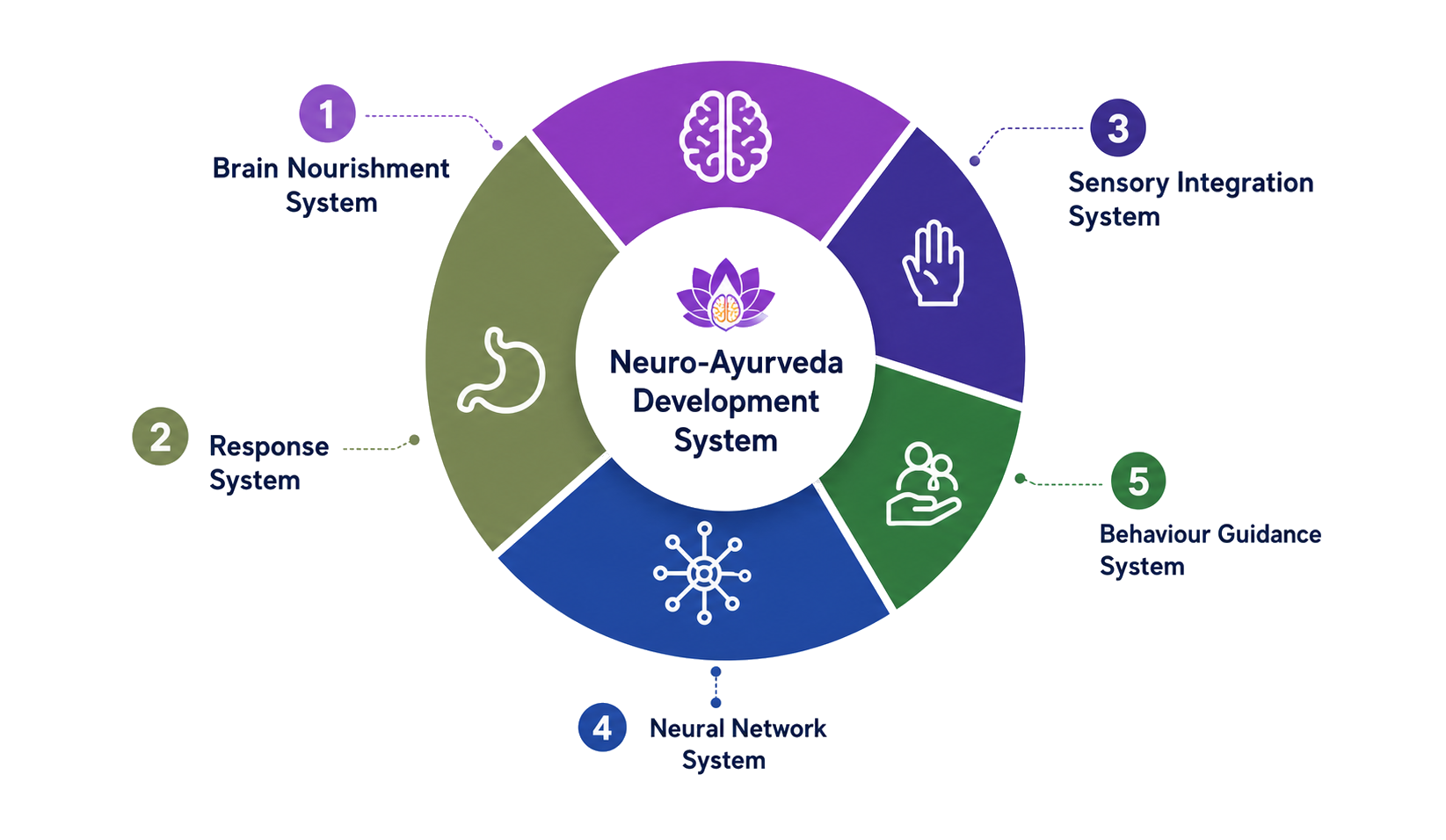
We have a thorough understanding of Irritable Bowel Syndrome (IBS) at Manovaidya based on the five pillar Neuro-Ayurveda Development System which integrates brain and gut health, behavior, lifestyle and emotional health.
1. Brain Nourishment System
A healthy brain and functioning help to control emotions, make you more resilient to stress, improve your mental clarity, sleep better, and make better decisions.
2. Gut Response System
There are a lot of factors involved in healthy digestion. This pillar emphasizes the interplay between the gut and brain, digestive health, healthy eating, eating patterns and lifestyle.
3. Neural Network System
The brain is constantly developing and evolving due to experiences and learning. This pillar is about healthy thinking patterns, emotional and behavioral stress and cognitive flexibility.
4. Sensory Integration System
Stress and experiences in the environment may impact emotional health and digestive comfort. This pillar involves the environment, recovery, relaxation and lifestyle balance.
5. Behaviour Guidance System
Good health is built on good habits. This pillar is centered on healthy habits, behavioral stress, lifelong habits, and daily habits.
How We Support Individuals with Stress & IBS
We know that each person with IBS experiences it differently. Through looking at the emotional aspect of the person, we provide a personalised service that focuses on particular digestive and life issues.
Managing IBS Symptoms

While symptoms of IBS are unpredictable, there are healthy lifestyle habits that can be used to effectively manage IBS:
Changes to lifestyle need to be tailored to the individual and discussed with your health care provider.
Why People Trust Manovaidya
Delhi, Noida, Gurgaon, Faridabad, Ghaziabad and even the entire of India rely upon Manovaidya due to our holistic approach towards emotional and digestive system.
About Dr. Ankush Garg
Dr. Ankush Garg is the Founder of Manovaidya and the creator of the Neuro-Ayurveda Development System. He focuses on emotional and lifestyle health and the gut-brain axis for people with IBS and related stress health concerns.
He conducts structured assessments of the brain and gut for healthier long-term wellbeing and offers personalized support and follow-up to support mind-body balance.
Based in the Delhi NCR, he offers consultations on Mind-Body Health across India through in-clinic and online sessions.
Frequently Asked Questions (FAQs)
Develop a Greater Understanding of IBS?
For people with IBS or stress-related digestive issues, an evaluation of emotional health and gut health may offer greater management of overall wellness through simultaneous gut and mind support.